SHSU-COM Participates in National Initiative to Advance Nutrition Education in Medical Training
SHSU-COM Participates in National Initiative to Advance Nutrition Education in Medical Training
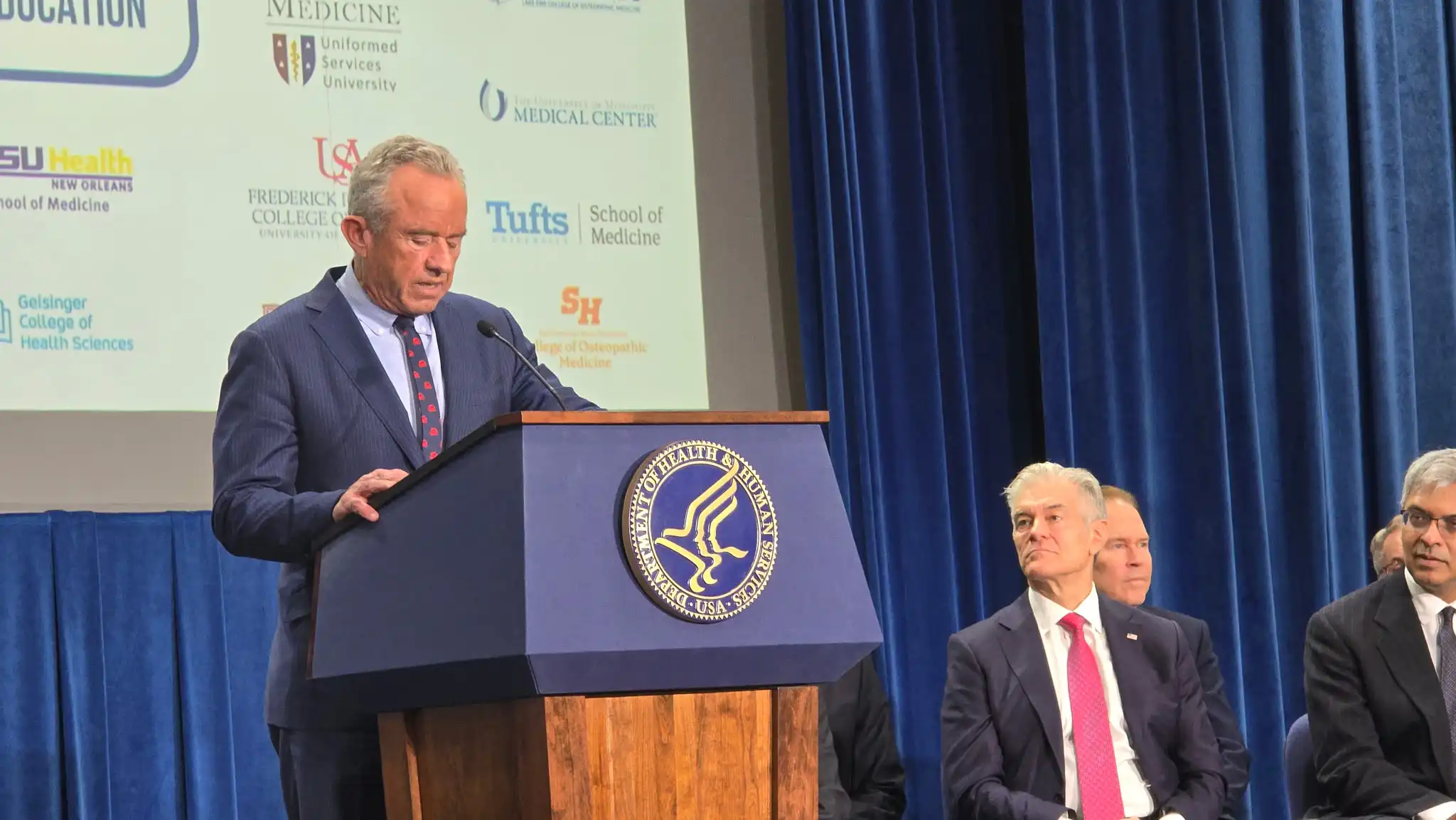
The U.S. Department of Health and Human Services (HHS) announced a national initiative to strengthen nutrition education in medical training, recognizing 53 medical schools across 31 states participating in Advancing Nutrition Education Across the Medical Continuum, including the Sam Houston State University College of Osteopathic Medicine (SHSU-COM).
The institutions recognized through the initiative include both allopathic and osteopathic medical schools. Participating schools are committing to ensuring that medical students complete at least 40 hours of nutrition education or an equivalent competency across the four years of medical school, a benchmark HHS is encouraging medical schools nationwide to prioritize in their medical education programs.
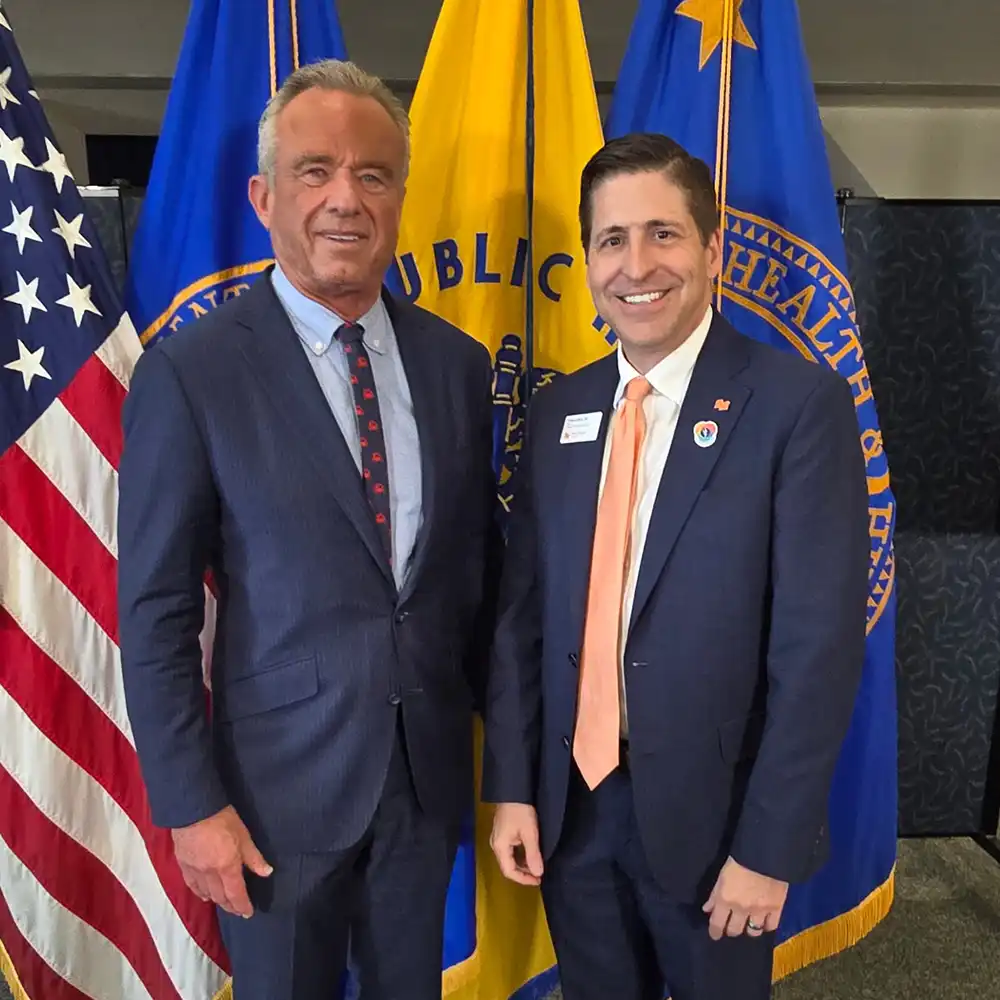 The effort reflects growing recognition that diet plays a central role in preventing and managing many chronic diseases. The initiative was announced in Washington, D.C., by U.S. Secretary of Health and Human Services Robert F. Kennedy Jr., alongside leaders from academic medicine and national physician organizations. Thomas J. Mohr, DO, vice president for medical affairs at Sam Houston State University and dean of SHSU-COM, joined representatives from medical schools across the country for the discussion.
During the event, Robert Cain, DO, president and CEO of the American Association of Colleges of Osteopathic Medicine (AACOM), emphasized that nutrition education aligns closely with osteopathic medicine’s long-standing focus on patient-centered care.
“Osteopathic medicine is an approach to patient care that takes into account the full range of factors that affect health,” Cain said. “We teach our students that lifestyle, environment, and social conditions influence health just as powerfully as prescriptions and procedures.”
That philosophy has shaped SHSU-COM’s curriculum since the school opened. Nutrition education is integrated throughout the medical school experience, helping student doctors understand how food patterns, access, and daily choices influence health and disease across the lifespan. While osteopathic training has long emphasized prevention and lifestyle factors, SHSU-COM faculty will continue guiding how the initiative’s 40-hour benchmark is incorporated across the curriculum.
At SHSU-COM, nutrition is taught as part of prevention-focused care and patient counseling, reinforcing the osteopathic commitment to caring for the whole patient. The College has incorporated nutrition concepts throughout its curriculum, connecting foundational science with clinical application and patient communication.
“We are pleased to see medical schools across the country working together to strengthen nutrition education,” said Mohr. “For osteopathic medicine, prevention and lifestyle factors have always been an essential part of patient care. This national effort reflects a shared commitment to preparing future physicians to address chronic disease through practical, evidence-based guidance.”
SHSU-COM continues to build on its integrated approach to nutrition education through interdisciplinary learning, faculty expertise in nutrition science, and hands-on training opportunities that connect nutrition science with patient care. As the SHSU College of Health Sciences launches its nutrition and dietetics programs in the Health Professions Building adjacent to the medical school, there will be even more opportunities to collaborate to prioritize nutrition as a core component of healthcare education.
Additional information about the national initiative is available at HHS.gov/nutrition-education.
Updated March 6, 2026, to clarify that SHSU-COM faculty will guide how nutrition education is integrated into the curriculum.
This page is maintained by :
-
SHSU-COM Director of Marketing, PR & Communications: Brittany Foreman