Heritage Magazine Summer 2026 - Understanding Minds, Shaping Justice
Heritage Magazine Summer 2026 - Understanding Minds, Shaping Justice
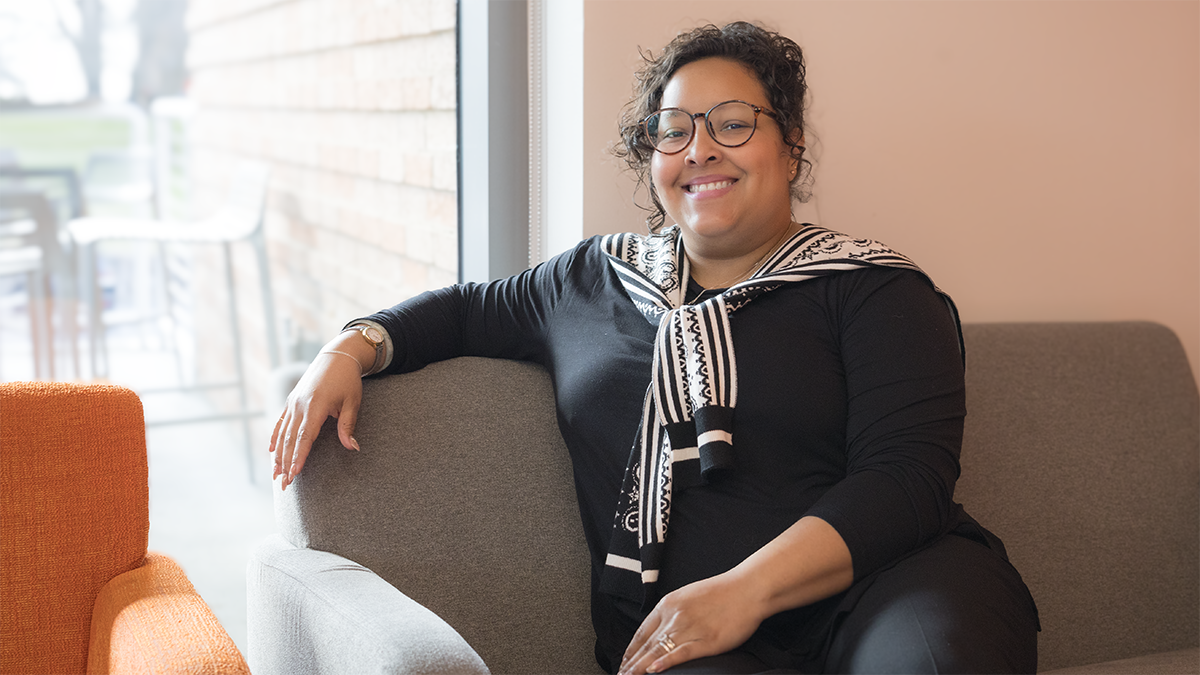
At Sam Houston State University, doctoral research is designed to bridge academic endeavors with real-world impact; a mission reflected in the work of Inneké Vargas, a clinical psychology doctoral student whose research sits at the intersection of psychology and the legal system.
Her dissertation focuses on forensic psychological evaluations in immigration cases, in which clinicians assess the mental functioning and well-being of individuals in legal proceedings. These evaluations are frequently used and can play a critical role in decisions that shape an individual’s future.
“These reports can significantly influence legal outcomes,” Vargas said. “Ensuring they are conducted ethically and consistently helps protect both the individuals being evaluated and the integrity of the legal process.”
Through her research, she is surveying practicing clinicians to examine how closely current evaluations align with best practices. By identifying areas where additional guidance or training may be needed, she aims to strengthen the quality and consistency of these assessments across the field.
Reflecting the program’s broader emphasis, her work integrates clinical practice with academic research; an approach that prepares students to contribute meaningfully beyond the classroom.
One of the most formative experiences in her doctoral journey came through a research project at SHSU, where she facilitated a student focus group centered on personal experiences and individual development.
“The students discussed how race was talked about in their families as well as experiences of racism throughout their lives and how they developed resilience in response,” Vargas said regarding her research. “Hearing those perspectives strengthened my perspective and helped me better understand how systemic and interpersonal racism shape mental health, which has necessarily made me a more thoughtful clinician.”
Collaboration has also been central to her growth. Faculty mentorship has helped refine the foundations of her work, while peer collaboration has provided space to exchange ideas and navigate challenges. She describes the program as highly collaborative, with strong faculty and peer support that helps students navigate their graduate studies.
“My department has been very supportive through mentorship, structured research training and opportunities to collaborate with faculty on ongoing projects,” she said.
In addition to technical research skills, Vargas has developed strengths she did not anticipate, including clinical listening and interviewing.
“Before graduate school, I did not have prior clinical experience, so engaging in research on people’s lived experiences required learning how to ask thoughtful questions, listen carefully and approach sensitive topics with empathy.”
Support from faculty and access to established researchers within SHSU and across the country have further strengthened her work and is now providing insight into how research can inform practice at a broader level.
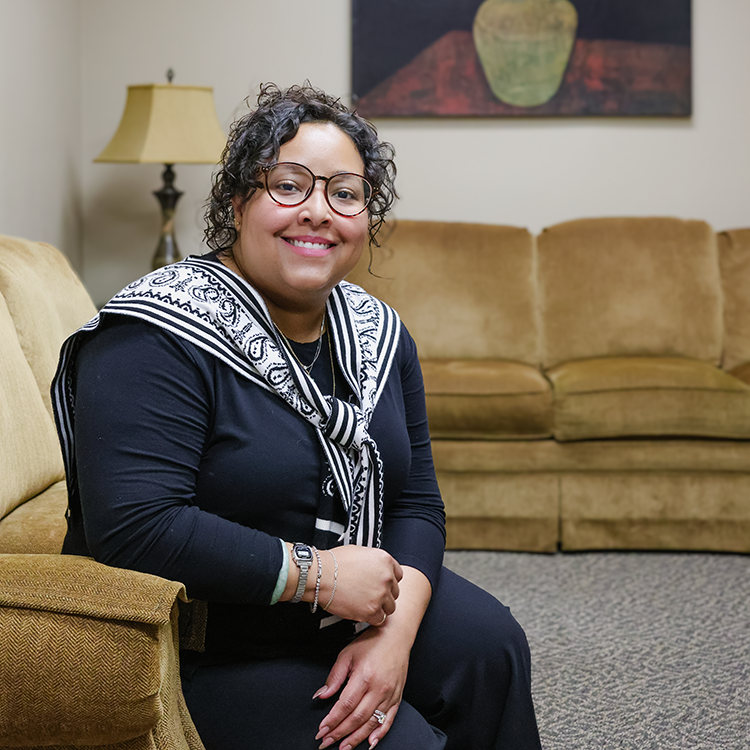 As she looks ahead, Vargas hopes her research will contribute to more ethically sound and scientifically grounded forensic psychological evaluations. More broadly, she aims to support systems where psychological expertise is used to promote fairness, informed decision-making and the well-being of vulnerable populations.
Her work reflects the purpose at the heart of SHSU’s research mission: preparing scholars who not only advance their fields but also make a meaningful difference in the communities they serve.
To read more articles from the Summer 2026 edition of Heritage Magazine, view the digital edition embedded below.
This page is maintained by SHSU's Communications Office:
-
Director of Content Communications: Emily Binetti
-
Communications Manager: Mikah Boyd