Skip to main content
About
Alumni
Athletics
Giving
News
Tools & Support
Open Search
Tools
Blackboard
Email
My Sam
SamWeb
SHSU Intranet
Newton Gresham Library
Academic Calendar
Site Directory
Events Calendar
Campus Map
Support
Academic Success Center
Career Success Center
First-Generation Center
SAM Center
Services for Students with Disabilities
Student Health Center
Student Money Management
Academics
Academics
Where hands-on learning meets real-world skills, success follows. Find what you want to study or explore all your academic opportunities.
Majors & Programs
Colleges
SHSU Online
Graduate Studies
Honors College
Research
Admissions
Admissions
Select the type of student you are to get information on deadlines, requirements, and next steps for applying to SHSU.
Freshman
Transfer
Graduate
International
SamPoly
Accepted Students
Cost & Aid
Cost & Aid
Find out how much it costs to attend SHSU and the variety of financial aid options available to help you pay for it.
Cost of Attendance
Student Account Services
Types of Aid
Bearkat Promise
Frequently Asked Questions
Campus Life
Campus Life
Explore what it’s like to live on campus at SHSU, from where you’ll live and eat to activities you can take part in outside of class.
Housing
Clubs & Organizations
Greek Life
Recreation & Fitness
Dining
Visit
Apply
Request Info
Tools & Support
Open Search
Academics
Academics
Majors & Programs
Colleges
SHSU Online
Graduate Studies
Honors College
Research
Admissions
Admissions
Freshman
Transfer
Graduate
International
SamPoly
Accepted Students
Cost & Aid
Cost & Aid
Cost of Attendance
Student Account Services
Types of Aid
Bearkat Promise
Frequently Asked Questions
Campus Life
Campus Life
Housing
Clubs & Organizations
Greek Life
Recreation & Fitness
Dining
Visit
Apply
Request Info
About
Alumni
Athletics
Giving
News
Back
Open Search
Tools
Blackboard
Email
My Sam
SamWeb
SHSU Intranet
Newton Gresham Library
Academic Calendar
Site Directory
Events Calendar
Campus Map
Support
Academic Success Center
Career Success Center
First-Generation Center
SAM Center
Services for Students with Disabilities
Student Health Center
Student Money Management
Search Keywords
Search
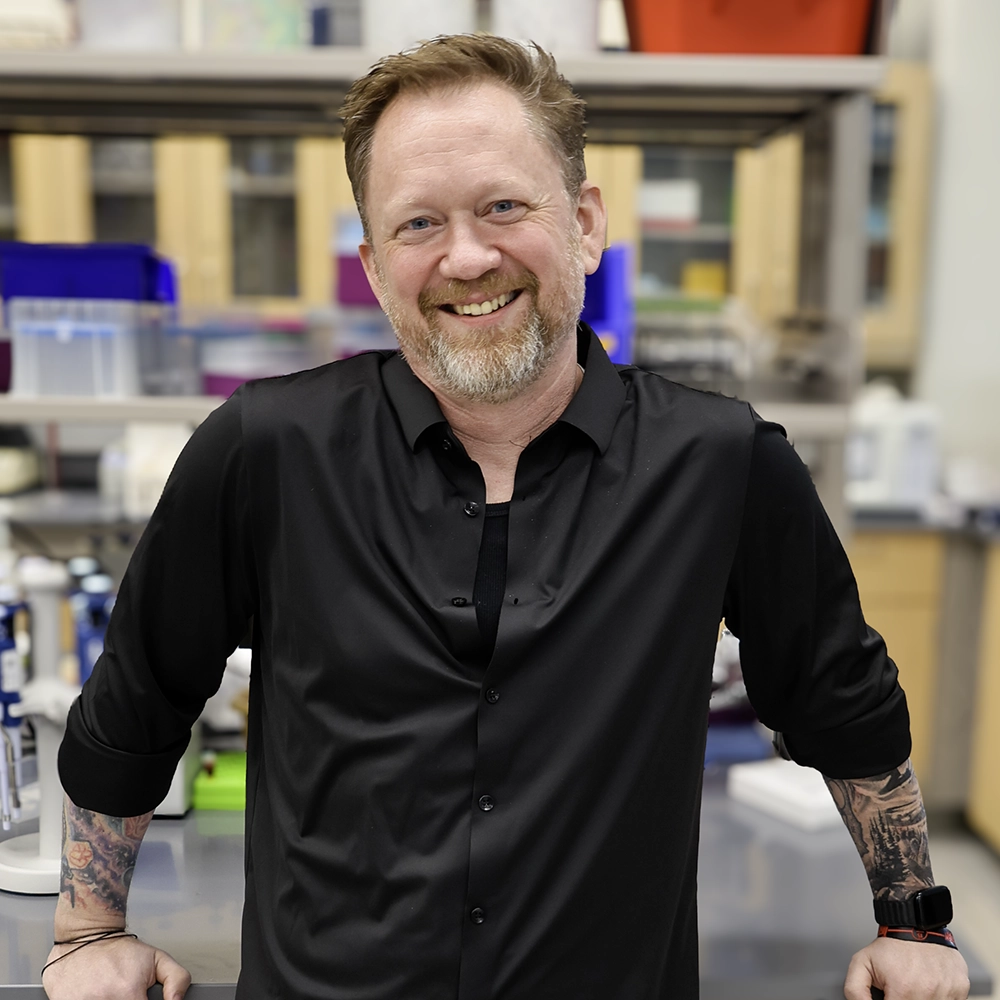
Aaron Lynne
Dept of Biological Sciences
Professor, Forensic Microbiology
LIFE 300B
aml027@shsu.edu
936-294-1544
Go to Directory