Research at STAFS
Research
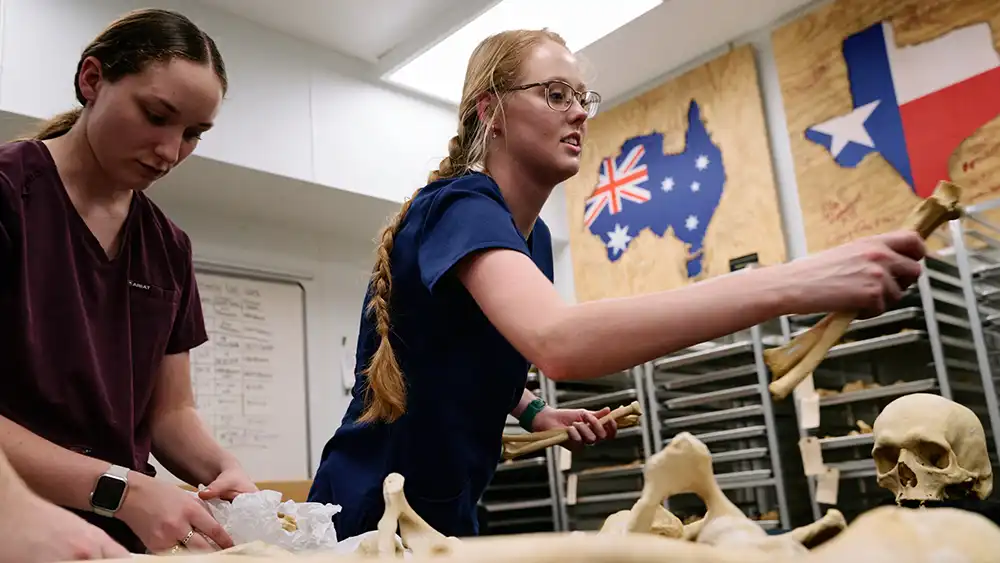
STAFS prides itself on facilitating interdisciplinary studies that benefit forensic science, as well as the broader scientific community. STAFS has supported and collaborated with number of various educational institutions such as Texas A&M, University of Texas, Texas State University, Louisiana State University, University of Houston, Northumbria University, as well as local, state, and federal agencies.
Research can be conducted in the Outdoor Research laboratory, the Anthropology laboratory, or by accessing the STAFS Skeletal collection.
If you are interested in conducting research at STAFS, please request a proposal using the portal below.
Interested in Conducting Research?
Research Resources
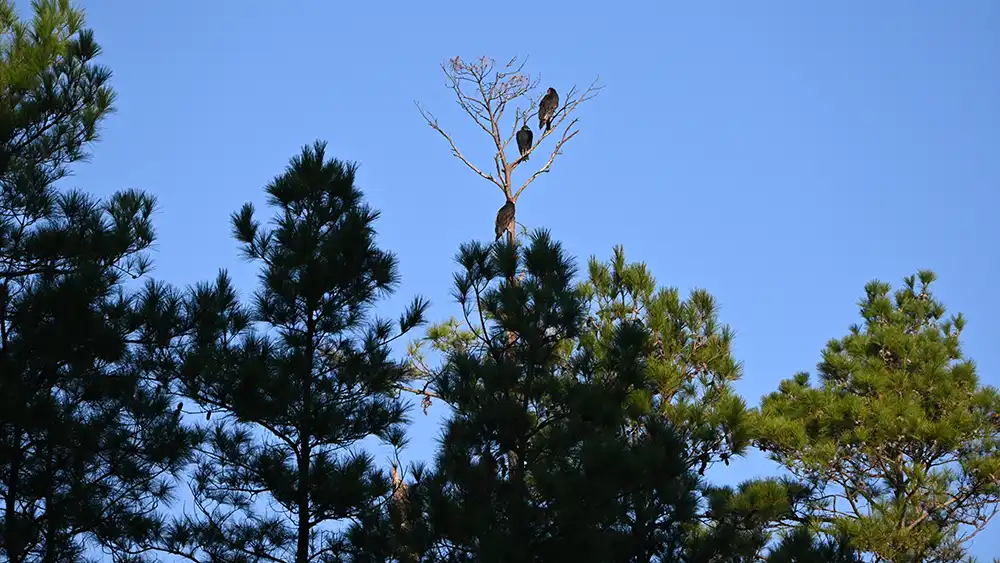
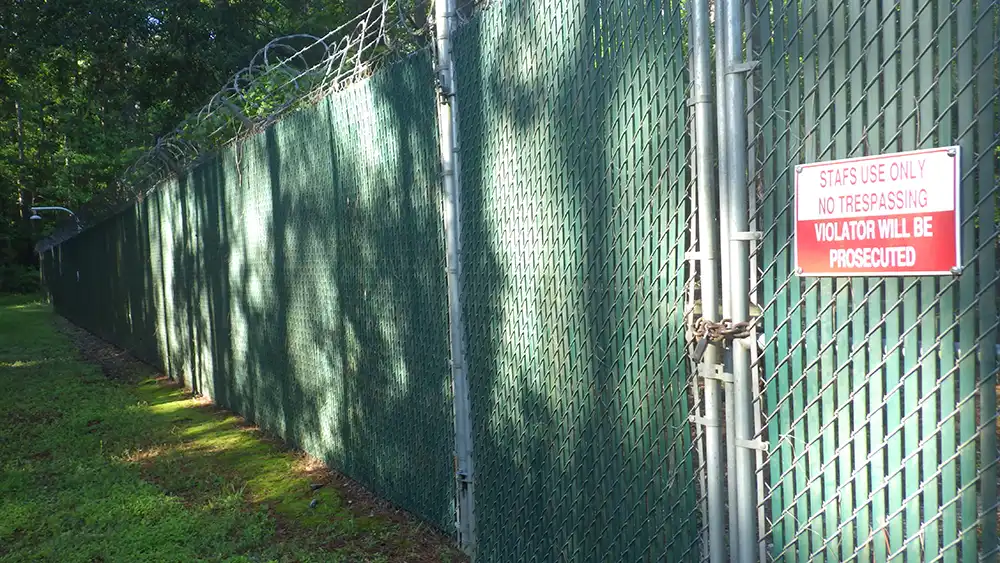
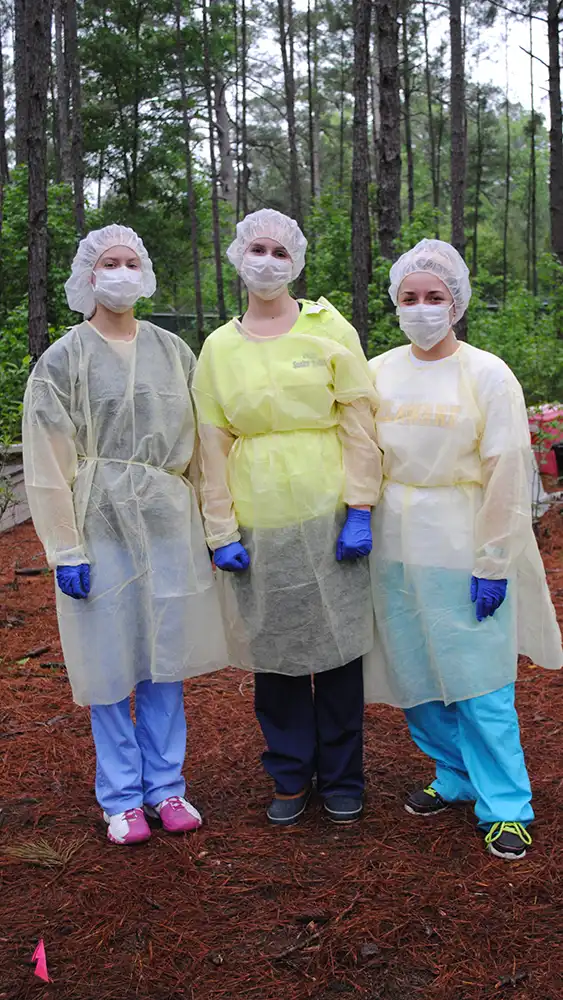
STAFS is currently one of only 11 outdoor decomposition research facilities within the United States, and three more internationally. The 50+ acre outdoor facility provides opportunities to recreate forensically significant scenarios and perform forensic research on the process of human decomposition. Since its inception in 2009, STAFS has facilitated hundreds of forensic research projects on skeletal taphonomy and trauma, entomology, DNA recovery and analysis, and microbiology. With an average of approximately 55 willed body donations accepted every year, STAFS offers unique research opportunities to faculty and students at SHSU, as well as external and international forensic researchers.
Outdoor Decomposition Research Facility
A human taphonomy facility offers an essential research environment where scientists can study real‑world patterns of human decomposition, environmental effects, and postmortem change. By providing controlled, ethically managed settings for whole‑body donations, these facilities generate high‑quality data that support advancements in forensic identification, search and recovery methods, trauma interpretation, and time‑since‑death estimation. The resulting research strengthens forensic science, improves investigative practices, and enhances training for students, practitioners, and the broader medicolegal community.
Stafs Skeletal Collection
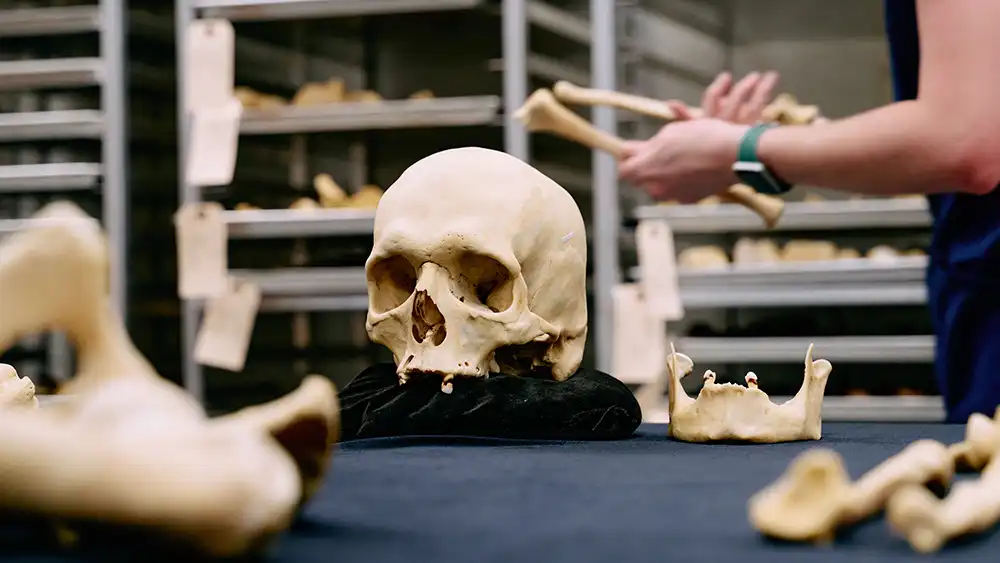
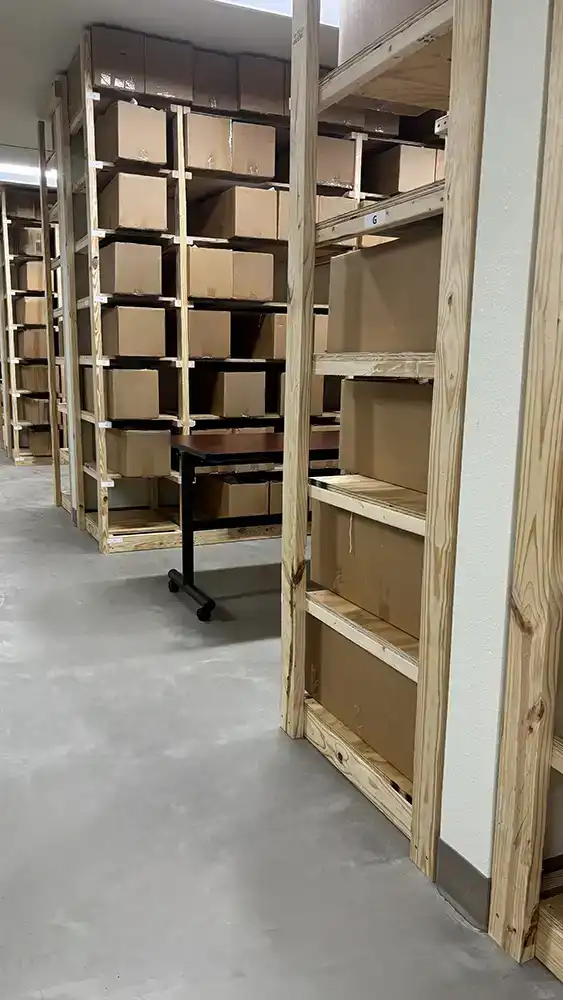
The STAFS skeletal collection serves as the final disposition for individuals who have donated their remains to the program. Currently, the Skeletal collection houses over 700 of the donors in STAFS care.
The collection supports extensive teaching and research, providing specimens for anatomy, anthropology, and osteology courses at institutions such as SHSU, the University of Houston, and Texas A&M–Corpus Christi and University of Texas at Austin.
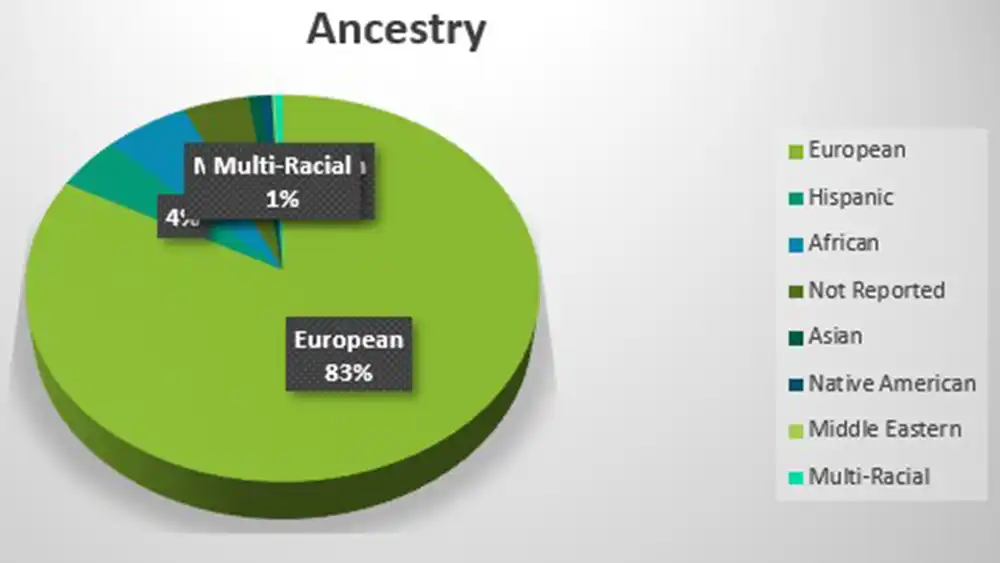
The STAFS skeletal collection offers broad demographic and biological diversity. STAFS is one of the few U.S. collections that reserves a portion of annual donations for destructive analyses such as DNA recovery and trauma studies.
Donor Demographics
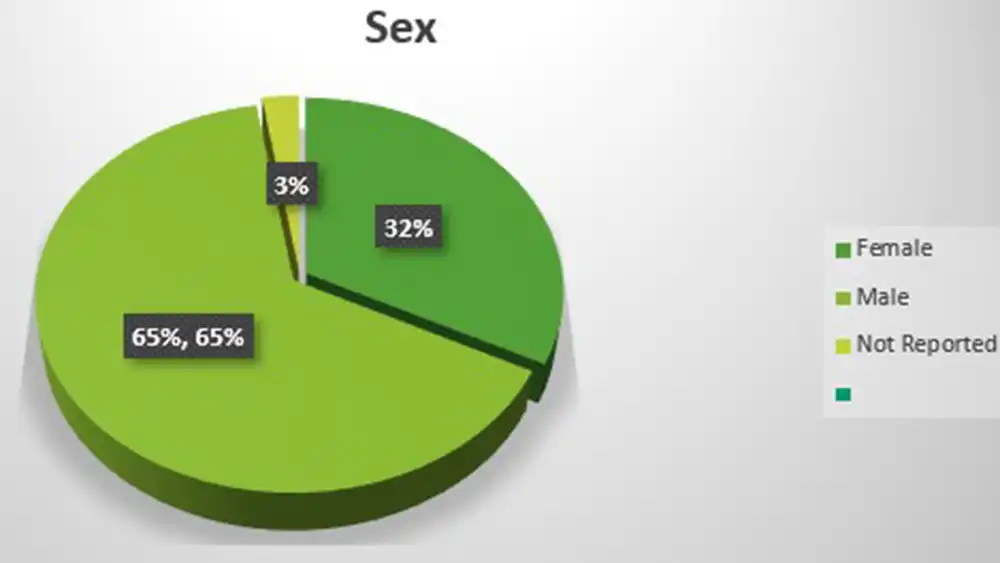
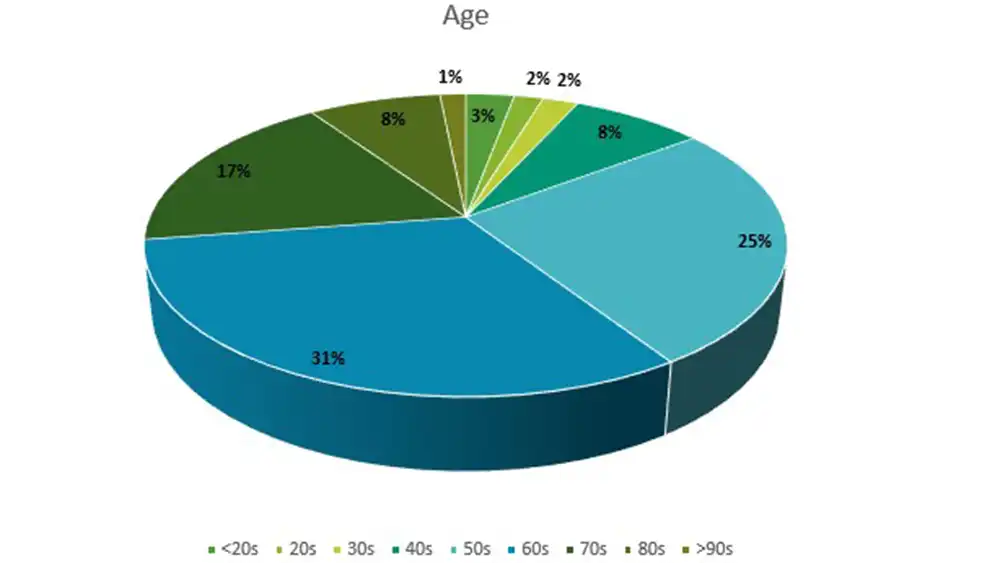
select publications
Joan A. Bytheway, Nichole Miller, Haeli Kennedy, West Ryan. Fracture Pattern of Inflicted Blunt Force Trauma to Mandibles of Human Cadavers. Submitted Journal of Forensic Anthropology, FORANT 2018-050. November 2018
Daniel J. Wescott, Dawnie Steadman, Nichole Miller, Kelly Sauerwein, M.J. Chaunesey, B. A. Clemmons, Devora S. Gleiber, Chloe P. McDaneld, Lauren A. Meckel, Joan A. Bytheway. Validation of the Total Body Score/Accumulated Degree Day Model at Three Human Decomposition Facilities. Journal of Forensic Anthropology. Early View, DOI: http://dx.doi.org/10.5744/fa.2018.0015
Gretchen R. Dabbs, Joan A. Bytheway, Melissa Connor. Comparing the Scoring of Human Decomposition from Digital Images to Scoring Using On-site Observations. Journal of Forensic Sciences. September 2017 62(5):1292-1296
Gretchen R. Dabbs, Melissa Connor, Joan A. Bytheway, Interobserver reliability of the total body score system for quantifying human decomposition Journal of Forensic Sciences. March 2016 Vol.61 No.2, p445-451
J. A. Aitkenhead-Peterson, J. P. Fanche2, M. B. Alexander M. Hamilton, J. A. Bytheway and D. J. Wescott. Application of soil in forensic science: residual odor and human remains detection dogs. Forensic Science International. April 2015 249:304-313
Joan A. Bytheway, Melissa Connor, Gretchen R. Dabbs, Cheryl A. Johnston, Michelle Sunkel. The ethics and best practices of human decomposition facilities in the United States.Forensic Science Policy & Management. 2015 Vol.6 Issue 3/4, p59-68
Jacqueline A. Aitkenhead-Peterson, Michael B. Alexander, Joan A. Bytheway, David O. Carter, and Daniel J. Wescott Chapter 23: Applications of soil chemistry in forensic entomology in forensic entomology: International Dimensions and Frontiers, CRC Press
Joan A. Bytheway, Nicole C. Larison, Ann H. Ross. Comparison of atypical and normal burn patterns of human remains and recognition of pre-cremation blunt force trauma. Earth and Environmental Science – Anthropology Online. ISSN 2332-0915 November 13, 2014
Bytheway, JA and SM Pustilnik “Glycoproteinous adhesion deposits by Balanus improvisus on human skeletal and dental remains: A case report” J Forensic Sci Jan 2013
JA Aitkenhead-Peterson, CG Owings, MB Alexander, N Larison, JA Bytheway “Mapping the extent of human cadaver decomposition islands with soil chemistry” For Sci Int October 2011 online
Rippley A, NC Larison, KE Moss, JD Kelly, JA Bytheway, “Scavenging Behavior of Lynx rufus on Human Remains during the Winter Months of Southeast Texas” J Forensic Sci. March 2012
Melissa Connor, William Raymond Belcher, Gretchen R. Dabbs, Anthony Falsetti, Shari L. Forbes, Timothy P. Gocha, Jane Harris, Sheree Hughes, Ginesse Listi, Sophia Mavroudas, Austin Polonitzak, Sophia I. Reck, Dawnie Steadman, Jodie Ward, Daniel J. Wescott, An-DiYimd, Katie Zedjlik. From a Small Plot in Knoxville to a Worldwide Footprint: An Overview of Human Decomposition Facilities. Forensic Anthropology, 2025. Vol. 7, No. 4: 267–281. DOI: 10.5744/fa.2024.0002
Cantu C, Bucheli S, Houston R. Recovery of human DNA from fly larvae (order: Diptera) using PowerSoil® pro. Legal Medicine. 2025 May 1;75:102617.
Belk A., Xu Z.Z., Carter D.O., Lynne A.M., Bucheli S.R., Knight R. And Metcalf J.L. 2018. Microbiome Data Accurately Predicts the Postmortem Interval Using Random Forest Regression Models. Genes 9(2):104
Hyde Embriette R, Metcalf J.L., Bucheli, S.R., Lynne A.M., and Knight, R. 2017. Microbial Communities to Associated with Decomposing Corpses. In: Forensic Microbiology. John Wiley & Sons Ltd.
Bucheli, S.R. and Lynne, A.M. 2016. The Microbiome of Human Decomposition: Studying microbial communities involved at every stage of cadaver decomposition is leading to a more precise understanding of the overall process. Microbe 11(4):165-171
Metcalf, J.L., Xu, Z.Z., Weiss, S., Lax, S., Van Treuren, W., Hyde, E.R., Song, S.J., Amir, A., Laresen, P., Sangwan, N., Haarmann, D.P., Humphrey, G.C., Ackerman, G., Thompson, L.R., Lauber, C., Bibat, A., Nicholas, C., Gebert, M.J., Petrosino, J.F., Reed, S.C., Gilbert, J.A., Lynne A.M., Bucheli, S.R., Carter, D.O, And Knight, R. 2015. A Universal Clock for Estimating the Postmortem Interval. Science. DOI 10.1126/science.aad2646
Lindgren, N.K., M.S. Sisson, A.D. Archambeault, B.C. Rahlwes, J.R. Willett, And S.R. Bucheli. 2015. Four Forensic Entomology Case Studies: Records and Behavioral Observations on Seldom Reported Cadaver Fauna With Notes on Relevant Previous Occurrences and Ecology. Journal of Medical Entomology. DOI: http://dx.doi.org/10.1093/jme/tju023
Lindgren NK, J Kelly, AD Archambeault, S Bucheli, JA Bytheway “Exclusion of forensically important flies due to burying behavior by the red imported fire ant (Solenopsis invicta) in southeast Texas” For Sci Int. June 2010 online.
Lindgren, N.K., S.R. Bucheli, A.D. Archambeault, B.C. Rahlwes and J.R. Willett. Four forensic entomology case studies: behavioral observations on seldom reported cadaver fauna with notes on relevant previous occurrences and ecology. (Submitted to Forensic Science International: 17 Aug 2012)
Snedeker JL, Peck MA, Russell DA, Holmes AS, Neal CM, Reedy CR, Hughes SR, Houston RM. An investigation of downstream processing methods for challenging skeletal samples. Forensic Sci Int Genet. 2025 Mar;76:103209. doi: 10.1016/j.fsigen.2024.103209. Epub 2024 Dec 14.PMID: 39721344
Parker G, Harrel M, Snedeker J, Salemi M, Borja T, Houston R. Preservation of Proteomic and Genomic Genotypes in Skeletal Material from Forensically Treated Cadavers. Forensic Science International: Genetics. 2025 Oct 30:103384.
Snedeker J, Hughes S, Houston R. Twenty-eight days later: The recovery of DNA from human remains submerged in aggressive household chemicals. JFS. 2025 Mar;70(2):460-475 .DOI: 10.1111/1556-4029.15682.
Eric Macias, Kendall Hartline, Patrick Buzzini & Sheree Hughes. Quantitative Color Analysis of Burned Bone to Predict DNA Quantity, Quality, and Genotyping Success. (JFS) 2024. doi: 10.1111/1556-4029.15490. Online ahead of print.
Natalia Czado, Bobby LaRue, Amanda Wheeler, Rachel Houston, Amy Sorensen, Kelly Grisedale, Sheree Hughes.. The effectiveness of various strategies to improve DNA analysis of formaldehyde-damaged tissues from embalmed cadavers for human identification purposes. JFS, 2023 Mar;68(2):596-607. doi: 10.1111/1556-4029.15200.
Optimization of InnoXtract™ extraction and purification system for DNA extraction from skeletal samples. Snedeker J, Hughes S, Houston R.Int J Legal Med. 2023 Feb 27. doi: 10.1007/s00414-023-02980-9. Online ahead of print.PMID: 36847841
Andrea Bonicelli, William Cheung, Sheree Hughes, Daniel J. Wescott and Noemi Procopio. Preliminary Investigation of the Effect of Maceration Procedures on Bone Metabolome and Lipidome. Metabolites 2022, 12, 1020. https://doi.org/10.3390/metabo12111020
Gutierrez R, Roman MG, Harrel M, Hughes S, LaRue B, Houston R. Assessment of the ForenSeq mtDNA control region kit and comparison of orthogonal technologies. Forensic Sci Int Genet. 2022 Jul;59:102721. doi: 10.1016/j.fsigen.2022.102721. Epub 2022 May 11.
Harrel M, Mayes C, Houston R, Holmes AS, Gutierrez R, Hughes S. Forensic Sci Int Genet. 2021 Nov;55:102586. The performance of quality controls in the Investigator Quantiplex Pro RGQ and Investigator 24plex STR kits with a variety of forensic samples. doi: 10.1016/j.fsigen.2021.102586. Epub 2021 Aug 27.PMID: 34530399
Loockerman C, Miller B, Ramsey R, Hughes S, Houston R. Forensic Sci Int Genet. 2021 Nov;55:102588. Collection and storage of DVI samples with microFLOQ® Direct swabs for direct amplification. doi: 10.1016/j.fsigen.2021.102588. Epub 2021 Aug 30
Michelle Harrel, Sheree Hughes-Stamm. A Powder-free DNA Extraction Workflow for Skeletal Samples. 2019. J Forensic Sci. 2020; 65(2):601-609.doi: 10.1111/1556-4029.14197
Michelle Harrel, David Gangitano and Sheree Hughes-Stamm. The Effects of Extra PCR Cycles When Amplifying Skeletal Samples with the GlobalFlier PCR Amplification Kit. International Journal of Legal Medicine, epub ahead of print DOI: 10.1007/s00414-018-1860-2 (May 2018).
Kyleen Elwick, Magdalena Bus, Jonathan L. King, Joseph Chang, Sheree Hughes-Stamm, Bruce Budowle. Utility of the Ion S5™ and MiSeq FGx™ sequencing platforms to characterize challenging human remains. 2019. Leg Med (Tokyo). 2019 Nov;41:101623. doi: 10.1016/j.legalmed.2019.08.001. Epub 2019 Aug 14
Mayes C, Houston R, Seashols-Williams S, LaRue B, Hughes-Stamm S. (2019) The stability and persistence of blood and semen mRNA and miRNA targets for body fluid identification in environmentally challenged and laundered samples. Leg Med (Tokyo). May;38:45-50. doi: 10.1016/j.legalmed.2019.03.007. Epub 2019 Mar 28.
Xiangpei Zeng, Kyleen Elwick, Carrie Mayes, Jonathan L. King, Bruce Budowle, Sheree Hughes-Stamm. (2018). Assessment of impact of extraction methods on analysis of human remain samples on massively parallel sequencing success. International Journal of Legal Medicine. https://doi.org/10.1007/s00414-018-1955-9
Kyleen Elwick, Xiangpei Zeng, Carrie Mayes, Jonathan L. King, Bruce Budowle, Sheree Hughes-Stamm. Assessment of impact of extraction methods on analysis of human remain samples on massively parallel sequencing success. 2019. International Journal of Legal Medicine. 2019 Jan;133(1):51-58. doi: 10.1007/s00414-018-1955-9. Epub 2018 Oct 19.
Amy S. Holmes, Madeline G. Roman, David Gangitano, Sheree Hughes-Stamm. In-field collection and direct analysis of swabs from decomposing human remains for DVI. 2018 Forensic Sci Int Genet. 2018 Sep;36:124-129. doi: 10.1016/j.fsigen.2018.06.015. Epub 2018 Jun 25.
Amy S. Holmes, Madeline G. Roman, Sheree Hughes-Stamm. In-field collection and preservation of decomposing human tissues to facilitate rapid purification and STR typing. Forensic Science International: Genetics. 2018 Jun 25;36:124-129. doi: 10.1016/j.fsigen.2018.06.015.
Amanda Wheeler, Natalia Czado, David Gangitano, Meredith Turnbough, Sheree Hughes-Stamm. (2016). Comparison of DNA Yield and STR Success Rate from Different Tissues in Embalmed Bodies. International Journal of Legal Medicine. 2016 May 24;25:182-190.
Amy Sorensen, Elizabeth Rahman, Cassandra Canela, David Gangitano, Sheree Hughes-Stamm. (2016). Preservation and Rapid Purification of DNA from Decomposing Human Tissue Samples. Forensic Science International; Genetics 24;25:182-190. (Nov 26)
Rippley AD, Yu CC, Bytheway JA. Examination of postmortem hair banding [Capstone Research Project]. College of Criminal Justice, Forensic Science Program, Sam Houston State University, Huntsville (TX), 2012.
Jeffrey R. Wozniak, Monte L. Thies, Joan A. Bytheway, William I. Lutterschmidt. A hydrologic retention system and water quality monitoring program for a human decomposition research facility: concept and design. Journal of Forensic Sciences Jan 2015 60(1):54-60
Contact STAFS
Hours of Operation & Location
8am-5pm, Monday-Friday
PO Box 2529, Huntsville, TX 77341
Email:
Phone:
936-294-2310