Sam Houston State University Faculty Research Featured in Turkiye's Leading Popular Science Platform
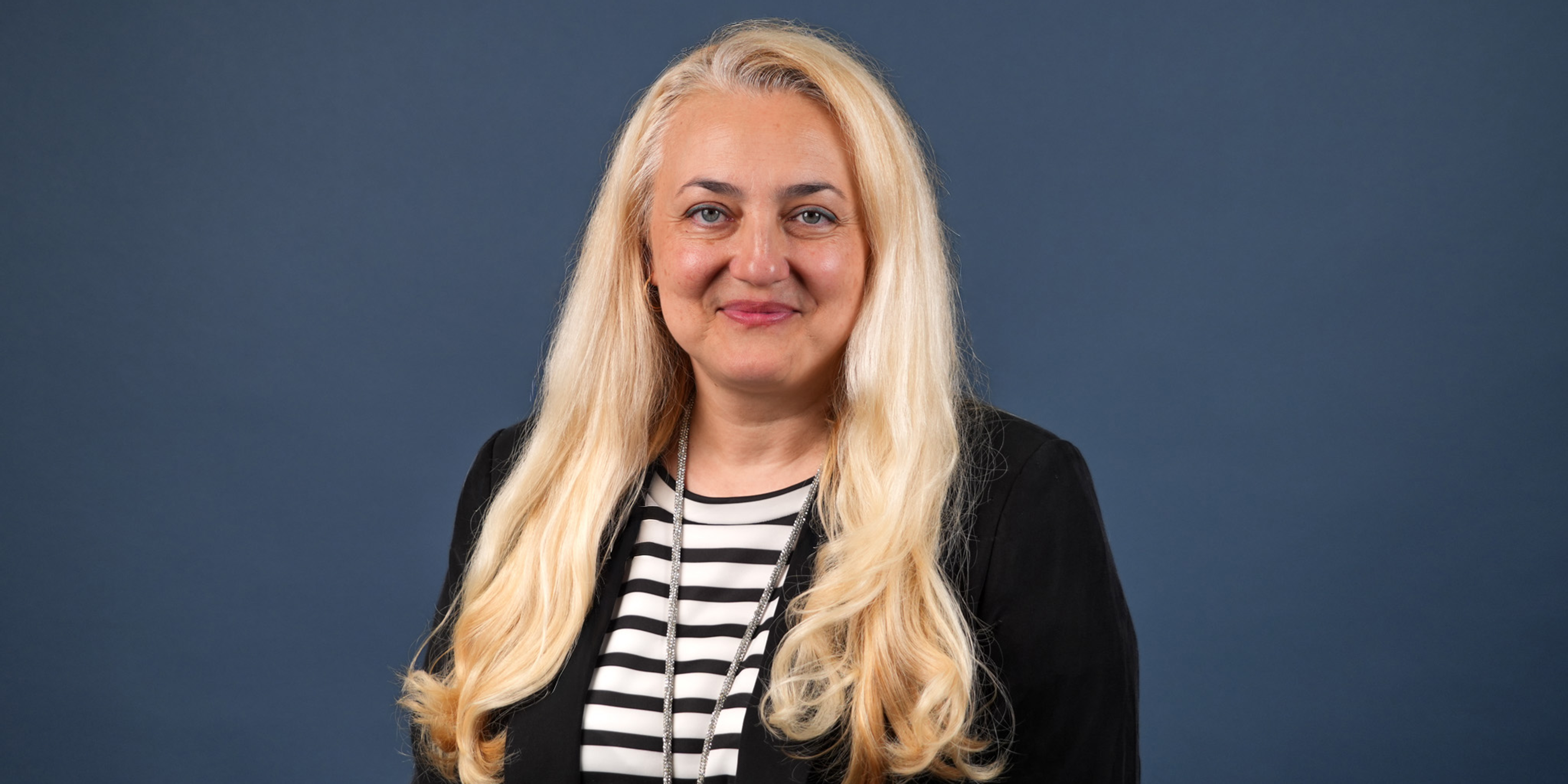
Associate Professor Dr. Hatice Zeynep İnan of Sam Houston State University's College of Education has published a featured popular science article in Sarkac, one of Türkiye's most recognized science communication platforms. The article, titled "Anasınıfında bilimsel bilgi üretmeyi öğreniyorlar!" ("Children Learn How to Generate Scientific Knowledge in Kindergarten!"), brings international attention to innovative approaches in early childhood science education.
Published by the Science Academy (Bilim Akademisi), Sarkac serves as a major public science outlet that connects academic research with educators, policymakers, families, and the broader public. As an open-access platform, its articles are freely available online and can be accessed by readers worldwide, extending the reach of scholarly work far beyond traditional academic audiences.
In her article, Dr. İnan challenges the common assumption that scientific thinking begins in later schooling. Drawing on decades of international research and the globally influential Reggio Emilia educational approach, she argues that scientific inquiry begins in the earliest years of life. The article demonstrates how preschool and kindergarten children engage in observation, questioning, hypothesis formation, experimentation, documentation, and evidence-based reasoning long before they enter formal science classrooms.
The publication highlights examples from early childhood classrooms where young learners investigate shadows, light, nature, and everyday phenomena through project-based inquiry. Rather than memorizing scientific facts, children learn how knowledge itself is constructed, a skill increasingly important in an age shaped by artificial intelligence, digital media, and unprecedented access to information.
The article also reflects Dr. İnan's broader international scholarship in early childhood education, STEM education, children's rights, inquiry-based learning, and Reggio Emilia-inspired practices. Her work emphasizes the development of critical thinking, creativity, interdisciplinary learning, and scientific literacy from the earliest years of education.
By bringing research-based perspectives on early childhood science education to a widely read public audience, this publication helps bridge the gap between academic research and educational practice. The article contributes to ongoing international conversations about how educators can prepare young children not only to learn scientific knowledge, but also to understand how reliable knowledge is generated, evaluated, and shared.