Zucchini
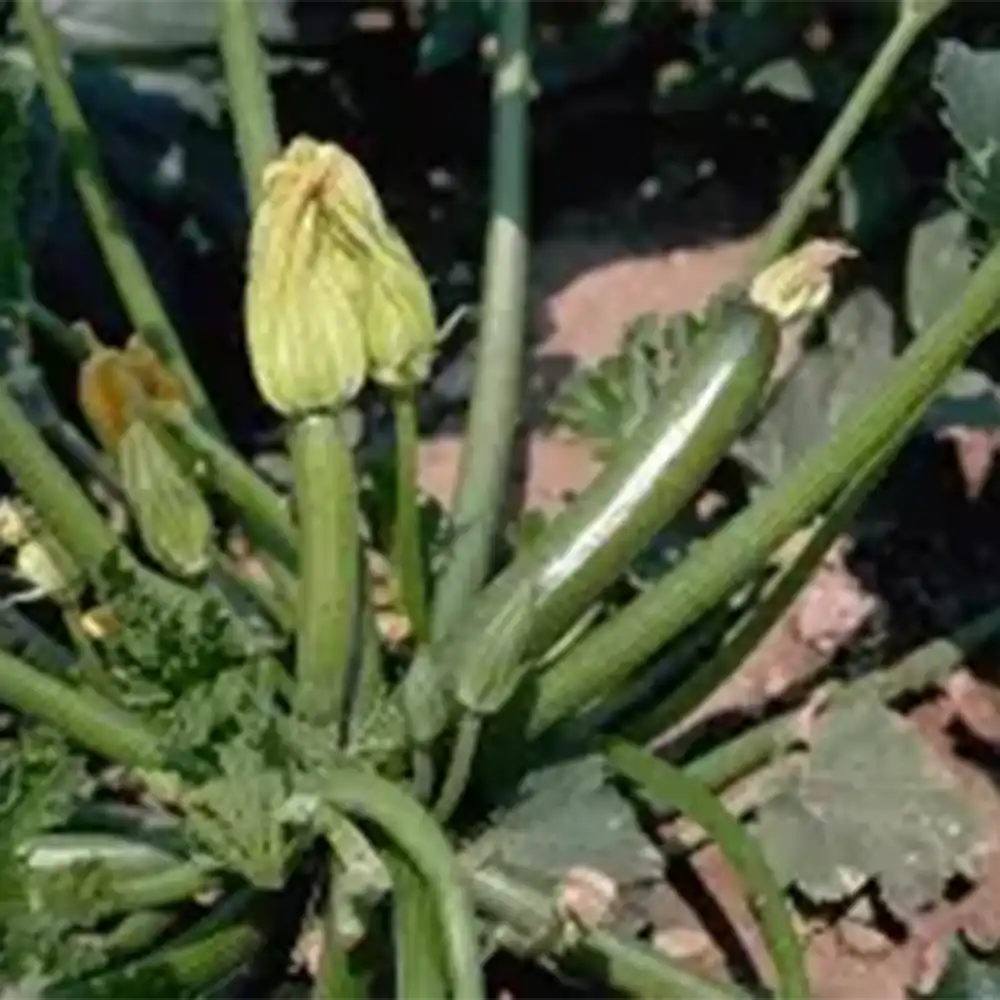
Zucchini is a popular summer squash known for its tender texture, mild flavor, and wide variety of uses in cooking. The scientific name for zucchini is Cucurbita pepo. It is commonly enjoyed in dishes such as stir-fries, pastas, salads, and baked goods. Zucchini is low in calories and high in nutrients, including vitamin C, potassium, and fiber, making it a favorite among gardeners and cooks alike.
Zucchini grows best in warm weather and is usually planted in late spring after the danger of frost has passed. It thrives in full sunlight and needs a long, warm growing season. Zucchini prefers loose, fertile, and well-drained soil that is rich in organic matter. The ideal soil pH for growing zucchini is between 6.0 and 7.5, which is slightly acidic to neutral. Consistent watering is important, especially when the plants begin to flower and produce fruit. Good air circulation and space between plants help promote healthy growth and reduce moisture buildup on leaves.
While zucchini is a productive and fast-growing crop, it can attract a few common garden pests. The squash bug is one of the most common pests, feeding on the leaves and stems, which can weaken the plant. Squash vine borers may also be a concern, as they tunnel into the stems and affect water flow. Aphids are another pest that can cluster on new growth and suck plant sap. Gardeners and farmers often manage pests using crop rotation, floating row covers, and encouraging beneficial insects like ladybugs.
Zucchini is a rewarding and easy-to-grow vegetable that adds value to any garden or farm. Its quick growth, high yields, and culinary flexibility make it a favorite among home gardeners and commercial growers. Whether sliced into a stir-fry, shredded into muffins, or grilled as a side dish, zucchini is a delicious and healthy addition to meals all summer long.