Yellow Squash
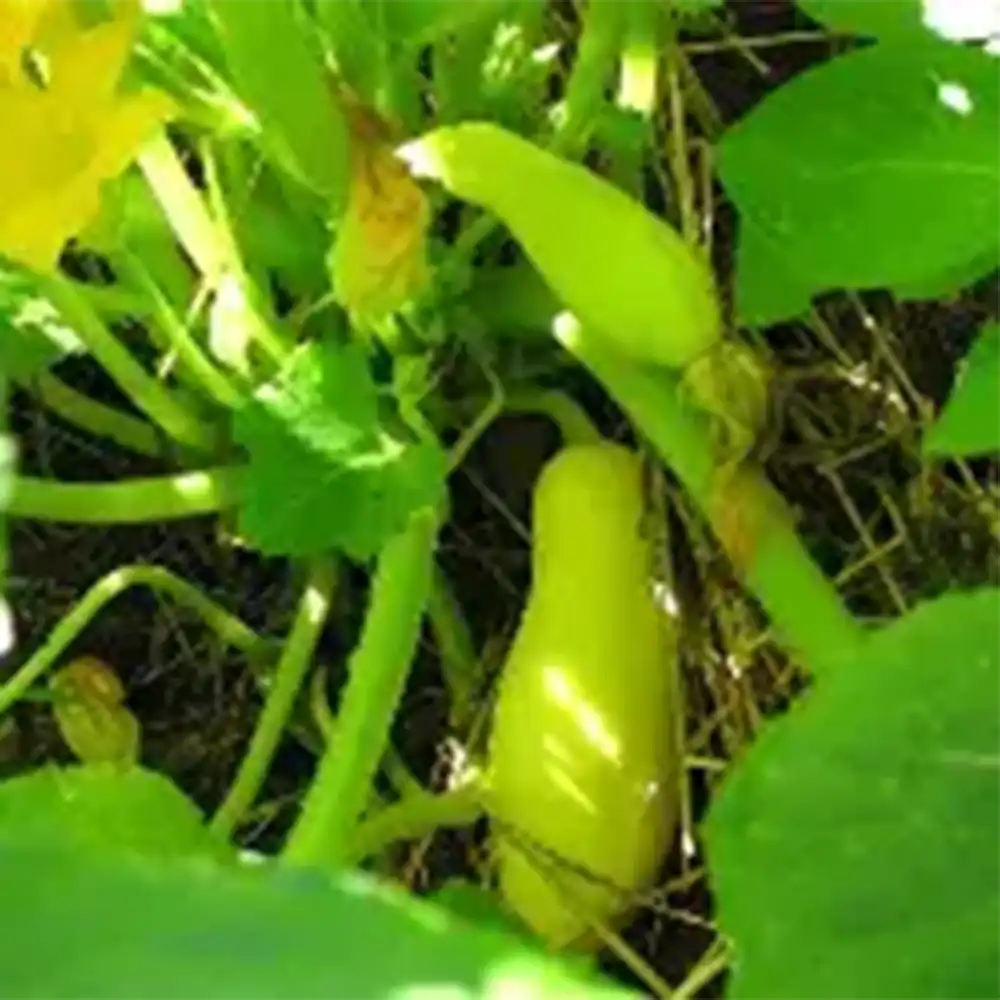
Yellow squash is a popular summer vegetable known for its vibrant color, mild flavor, and versatility in the kitchen. Whether sautéed, grilled, or added to soups and casseroles, yellow squash is a nutritious and tasty addition to any meal. For those who are new to gardening or unfamiliar with this crop, yellow squash is a great choice due to its ease of growth and generous yields.
Yellow squash belongs to the cucurbit family, the same group as cucumbers, melons, and pumpkins. It thrives in warm weather and is typically planted in the spring once the danger of frost has passed. This crop prefers full sun, requiring at least 6 to 8 hours of direct sunlight each day. The ideal soil for growing yellow squash is well-drained and rich in organic matter, with a slightly acidic to neutral pH between 6.0 and 7.5.
To grow yellow squash, seeds can be sown directly into the ground or started indoors and later transplanted. Plant seeds about 1 inch deep and space them 2 to 3 feet apart to give the plants room to spread. Consistent watering is important, especially during flowering and fruiting. Water at the base of the plant to keep the leaves dry and help prevent stress.
Like many garden vegetables, yellow squash may encounter a few pests. The most common are squash bugs, cucumber beetles, and vine borers. These pests can be managed by monitoring the plants regularly and using natural pest control methods when necessary, such as row covers or beneficial insects.
Harvesting yellow squash is simple—pick the fruit when it’s about 6 to 8 inches long for the best flavor and texture. Regular harvesting encourages the plant to keep producing. With minimal effort and proper care, yellow squash can be a rewarding and enjoyable crop for any gardener to grow.