Wheat
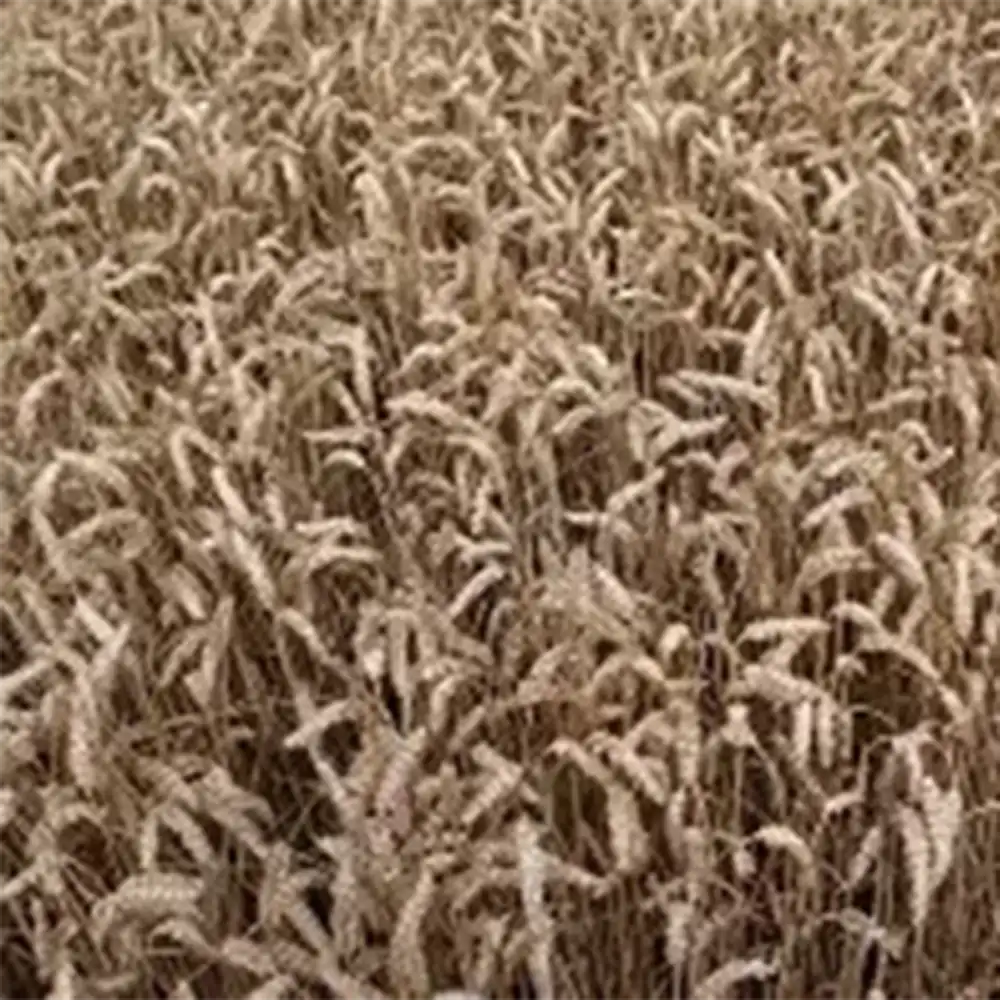
Wheat is one of the most important cereal crops grown around the globe. Its scientific name is Triticum aestivum, and it is a key source of food for people in many countries. Wheat is a type of grass that produces grain, which is ground into flour and used to make products like bread, pasta, cereal, and many baked goods. It has been a major part of human diets for thousands of years and continues to be essential to modern agriculture and food production.
Wheat grows best in temperate climates with cool to warm temperatures. It needs well-drained soil and moderate rainfall. The crop is adaptable and can be grown in many different environments, from flat plains to gently rolling hills. There are two main types of wheat: winter wheat and spring wheat. Winter wheat is planted in the fall and harvested the following summer, while spring wheat is planted in the spring and harvested in late summer or early fall. The timing depends on local climate and growing conditions. Wheat does well in full sun and needs about 12 to 20 inches of rainfall during its growing season.
Like all crops, wheat can attract a variety of pests. Some of the most common ones include the Hessian fly, which lays eggs on young wheat plants and whose larvae feed on the stems; the wheat stem sawfly, which weakens stems by boring through them; and aphids, which feed on plant sap and can spread diseases. Other pests include armyworms, wireworms, and cereal leaf beetles. Farmers use pest monitoring, crop rotation, and natural pest predators to help protect the wheat and ensure a healthy yield.
Wheat is a valuable and widely grown crop that plays a major role in feeding the world. It is a source of nutrition, energy, and economic stability for many communities. Thanks to its ability to grow in a range of environments and its importance in food production, wheat continues to be one of the most essential crops on Earth.