Watermelon
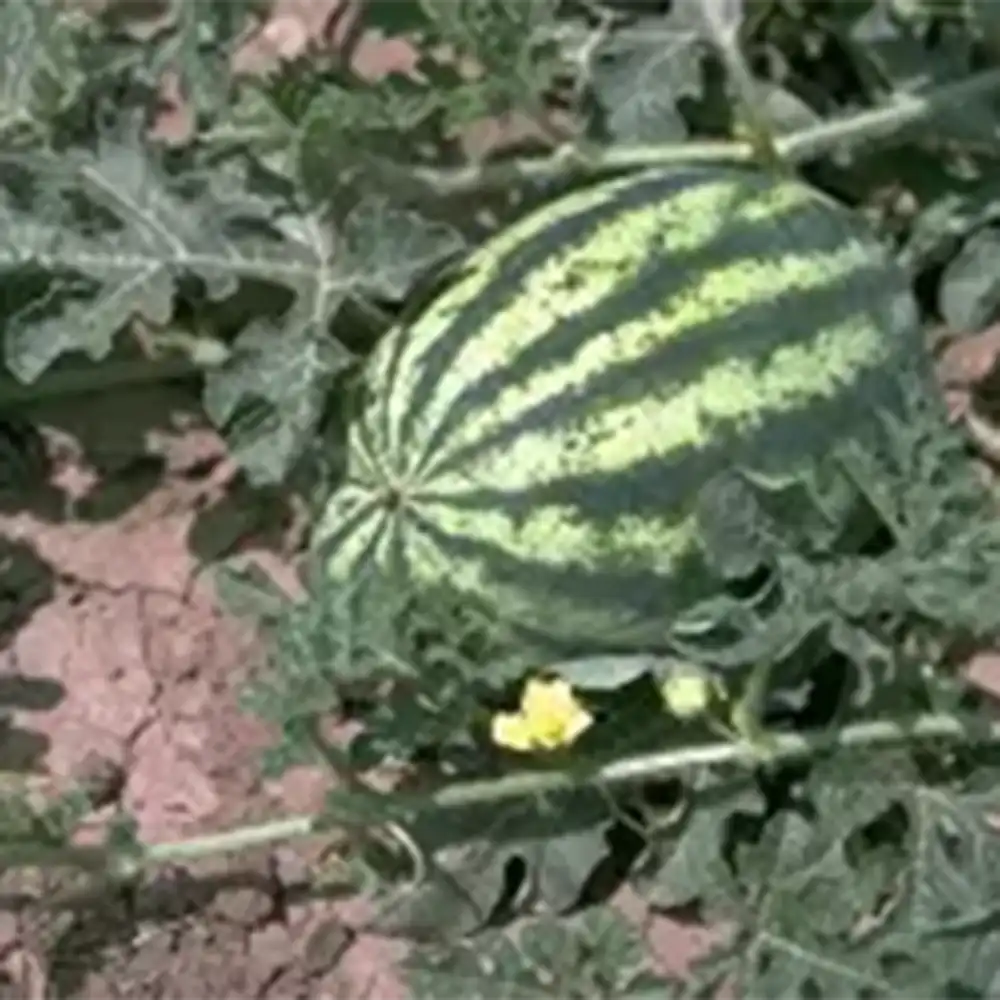
Watermelon is a popular and refreshing fruit, loved for its juicy, sweet taste and vibrant red flesh. Scientifically known as Citrullus lanatus, watermelon is a member of the Cucurbitaceae family, which also includes cucumbers, pumpkins, and squash. Originally native to Africa, watermelon has spread across the globe and is now a staple in many gardens and farms, especially during the summer months. This fruit grows on sprawling vines that can take up considerable space, often extending up to 20 feet long. The plant produces large, round or oblong fruits, typically with a green rind and a bright red interior, although yellow and orange varieties also exist.
Watermelons thrive in warm climates, requiring plenty of sunlight and heat to grow properly. They prefer well-drained, sandy loam soils with a pH between 6.0 and 6.8. For optimal growth, watermelons need a long growing season, as they generally require 70 to 90 days to mature. The plants also need constant watering, particularly during their flowering and fruiting stages. However, over-watering can lead to root rot, so it is important to ensure the soil is well-drained. Watermelon vines benefit from spacing out the plants to allow for proper air circulation and to reduce the likelihood of diseases. Planting should occur when the soil temperature reaches at least 70°F (21°C) and the risk of frost has passed.
While watermelon plants are relatively hardy, they can still be susceptible to various pests and diseases. Common pests include aphids, which can damage the plants by feeding on the sap and spreading diseases. Additionally, cucumber beetles can harm watermelon vines by eating the leaves and spreading bacterial wilt. Fungal diseases like powdery mildew and downy mildew can also affect the leaves, leading to reduced plant health. To protect watermelon crops, many farmers use crop rotation and organic insecticides, along with preventive measures like proper spacing and regular inspection for pests.
Watermelon is a highly rewarding crop that thrives in warm, sunny conditions with proper care. By understanding the right growing conditions, including soil requirements, watering practices, and pest management, gardeners and farmers can cultivate a healthy watermelon crop, ensuring a bountiful harvest to enjoy during the hot summer months.