Thyme
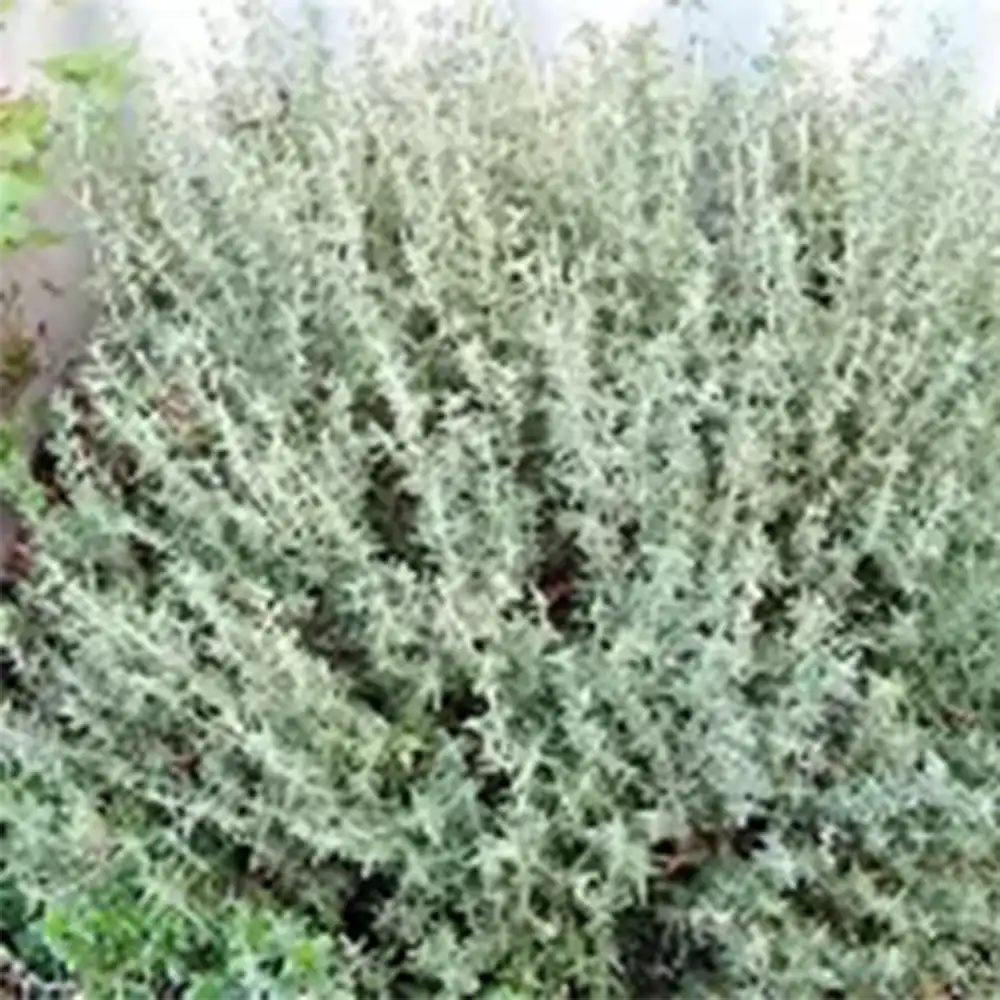
Thyme is a low-growing, aromatic herb widely used in cooking, landscaping, and herbal remedies. The scientific name for thyme is Thymus vulgaris. It is a staple in many kitchens, especially in Mediterranean, French, and Middle Eastern cuisines. Thyme is known for its earthy, slightly minty flavor and is commonly used to season meats, soups, vegetables, and sauces. In addition to its culinary use, thyme is valued for its pleasant scent and attractive appearance in gardens.
Thyme grows best in warm, sunny environments with well-drained soil. It prefers full sun and can tolerate hot, dry conditions once established, making it ideal for herb gardens and rock gardens. Thyme should be planted in soil that is not too rich, as overly fertile soil can reduce its flavor. The ideal soil pH for growing thyme is between 6.0 and 8.0, which means it can tolerate a range from slightly acidic to slightly alkaline. Good air circulation and dry conditions around the roots help Thyme thrive and prevent stress on the plant.
Though thyme is a hardy herb, it can occasionally face a few garden pests. Aphids may appear on tender stems, sucking plant sap and reducing growth. Spider mites are another potential pest, especially in hot, dry conditions, and they may cause tiny spots or webbing on the leaves. Whiteflies may also gather on the undersides of leaves. To control these pests, gardeners often use natural methods like insecticidal soaps, introducing beneficial insects, and maintaining healthy, well-spaced plants.
Thyme is a dependable and easy-to-grow herb that offers beauty, fragrance, and flavor. Its resilience, drought tolerance, and usefulness in cooking make it a favorite in herb gardens around the world. Whether used fresh or dried, thyme adds a delicious and aromatic touch to many dishes, making it a valuable and enjoyable plant to grow.