Sweet Potato
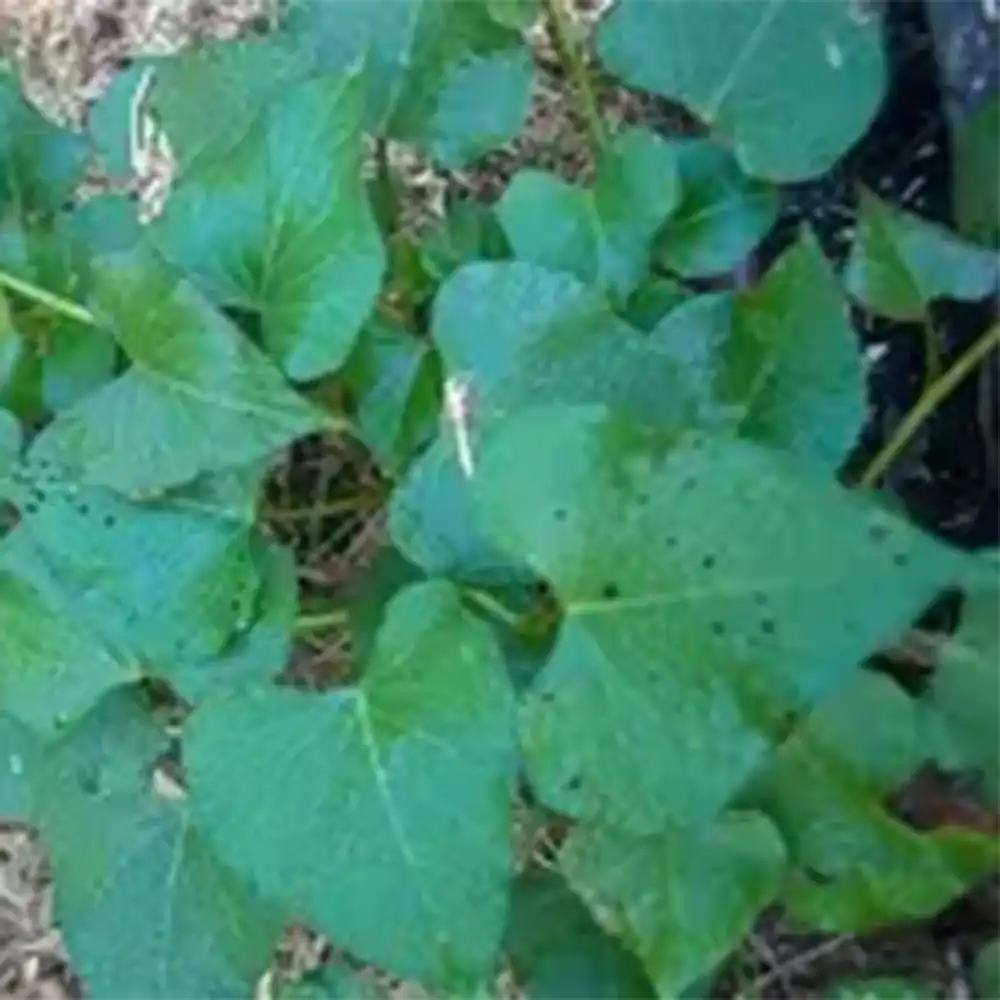
The sweet potato, scientifically known as Ipomoea batatas, is a warm-season root crop valued for its nutritious and delicious storage roots. Unlike regular potatoes, sweet potatoes belong to the morning glory family and are recognized for their trailing vines and heart-shaped leaves. Their roots are rich in vitamins, minerals, and natural sweetness, making them a popular food choice in many cultures around the world. Beyond their value as a food crop, sweet potatoes are also appreciated for their adaptability and resilience in a wide range of growing conditions.
Sweet potatoes thrive in warm climates with plenty of sunlight. They require a long frost-free growing season, usually about 90 to 150 days, depending on the variety. The plants grow best when daytime temperatures are consistently between 70°F and 85°F. Sweet potatoes prefer well-drained, sandy loam soils that allow the roots to develop properly without becoming waterlogged. Soil that is too heavy or compacted can restrict root growth. The ideal soil pH for sweet potatoes is slightly acidic to neutral, ranging from 5.8 to 6.2, which provides the best environment for nutrient absorption. Adequate moisture during the early stages of growth helps establish healthy vines, while moderate watering during root development ensures large, high-quality storage roots.
Like many crops, sweet potatoes can encounter insect pests in the field. The sweet potato weevil is one of the most common pests, as it feeds on both the vines and roots. Wireworms, which live in the soil, may bore into developing roots, leaving small holes behind. Flea beetles can occasionally feed on the leaves, and aphids may cluster on tender shoots to suck plant sap. Additionally, cutworms may damage young seedlings at the soil line. Despite these challenges, careful crop management and proper growing practices allow sweet potatoes to thrive and produce abundant harvests.
Sweet potatoes are a valuable crop that combines nutritional benefits with reliable growth in the right conditions. By planting them in warm climates with sandy, well-drained soils, maintaining the correct soil pH, and managing pests, growers can enjoy a productive harvest of flavorful and healthy roots. Sweet potatoes continue to be an important crop for both large-scale agriculture and home gardens, providing nourishment and versatility to people around the world.