Sugarcane
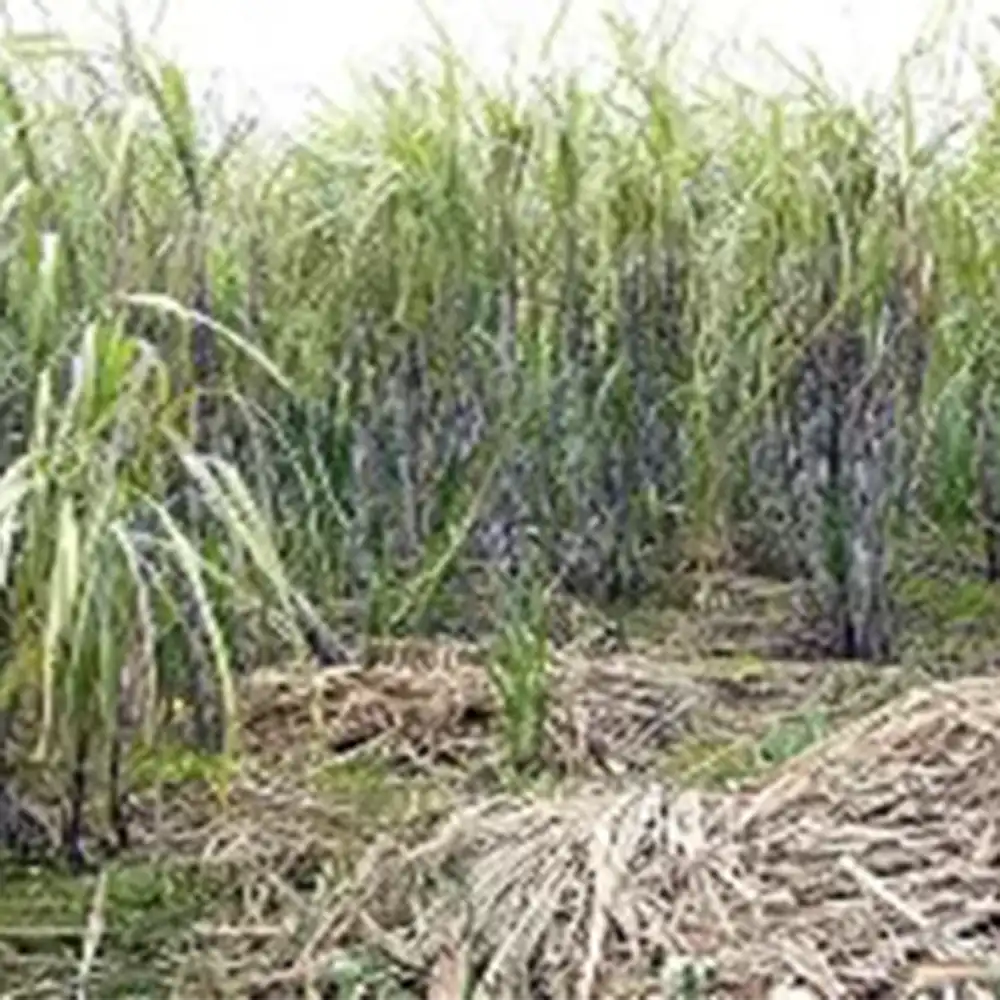
Sugarcane is a tall, perennial grass known for producing one of the world’s most important sweeteners—sugar. Its scientific name is Saccharum officinarum. This crop is native to Southeast Asia and has been cultivated for thousands of years. Today, sugarcane is grown in warm climates around the world, especially in countries like Brazil, India, Thailand, and the United States, particularly in states like Florida, Louisiana, and Texas.
Sugarcane thrives in tropical and subtropical regions where the temperature stays warm year-round. Ideal growing conditions include full sun, plenty of water, and rich, well-drained soils. It grows best in areas with a long, frost-free growing season and annual rainfall between 60 to 100 inches. In some areas, irrigation is used to make sure the crop gets enough moisture. Sugarcane is typically planted using cut sections of mature stalks called "setts," which grow into new plants. The crop usually takes about 12 to 18 months to mature, depending on the local climate.
As with many crops, sugarcane can face pest problems. Some common pests include the sugarcane borer, a moth larva that tunnels into stalks and feeds on the inside, and the white grub, which damages the plant's roots. Other pests like aphids, termites, and scale insects can also affect sugarcane by feeding on the leaves or stems. Farmers often use a combination of natural predators, crop rotation, and safe pest management methods to keep these insects under control and protect the crop.
Sugarcane is a valuable and versatile crop. Not only does it produce sugar, but it is also used to make products like molasses, rum, ethanol fuel, and even animal feed. Its tall green stalks and sweet juice have helped shape agriculture and industry in many countries. Sugarcane continues to play a major role in farming and the global economy today.