Spinach
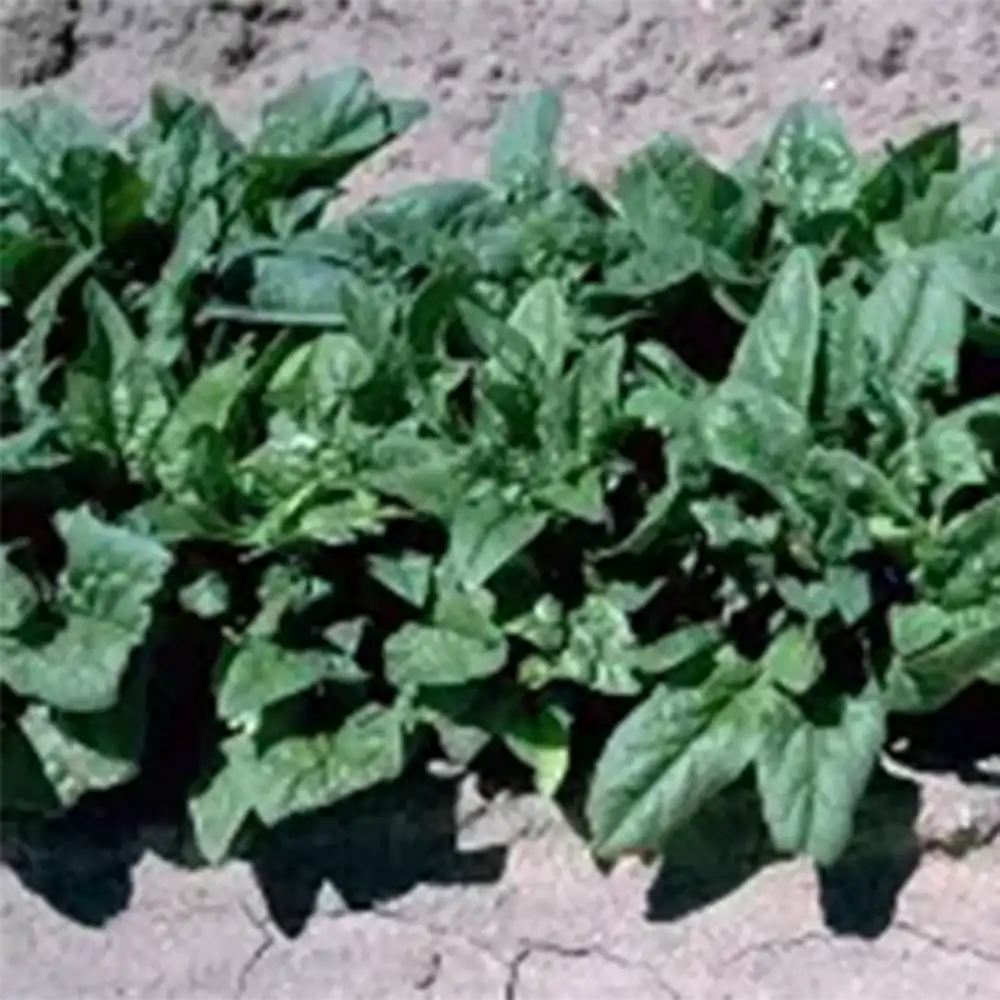
Spinach is a leafy green vegetable known for its rich flavor, tender texture, and excellent nutritional value. The scientific name for spinach is Spinacia oleracea. It is commonly used in salads, soups, smoothies, and cooked dishes. Spinach is packed with important nutrients such as iron, calcium, vitamin A, vitamin C, and folate, making it a popular choice for healthy diets around the world.
Spinach grows best in cool weather and is ideal for planting in the early spring or fall. It thrives in temperatures between 45°F and 75°F and can tolerate light frost, which often improves the flavor of the leaves. Spinach prefers full sun but can also grow in partial shade, especially in warmer regions. This crop does well in moist, well-drained soil that is rich in organic matter. The ideal soil pH for growing spinach is between 6.0 and 7.5, which ranges from slightly acidic to neutral. Regular watering is important to support steady leaf growth and to prevent the plants from drying out.
Even though spinach is a fast and easy crop to grow, it can face a few pests. One common pest is the leaf miner, which creates winding trails in the leaves as it feeds. Aphids may also be present, sucking the sap from the plants and sometimes spreading plant diseases. Other pests include flea beetles and cutworms, which can damage young plants. Farmers and gardeners often manage these pests using row covers, beneficial insects like ladybugs, and careful monitoring of the crop to keep it healthy and productive.
Spinach is a versatile and nutritious leafy green that grows quickly and adds value to gardens and farms. Its ability to grow in cool seasons and produce flavorful, nutrient-rich leaves makes it a favorite for fresh eating and cooking. Whether enjoyed raw or cooked, spinach is a reliable and rewarding crop for anyone interested in growing their own vegetables.