Soybean
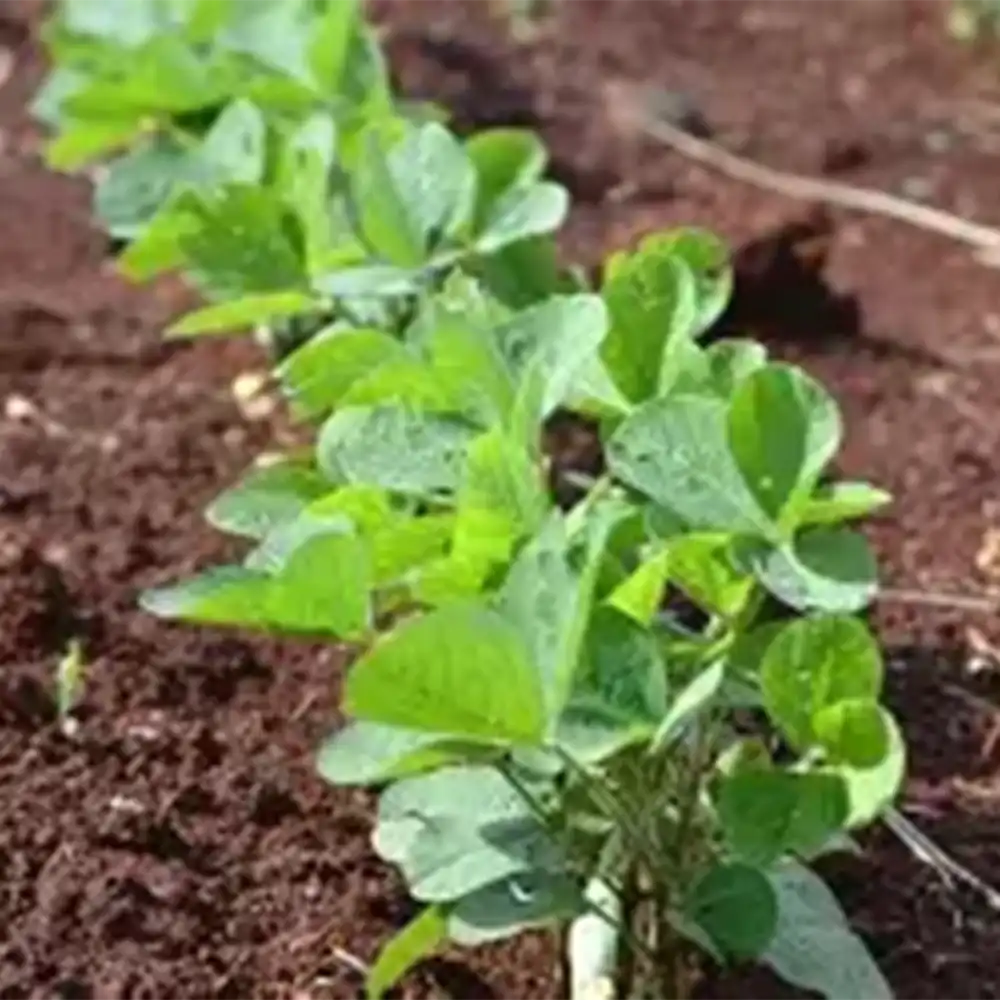
Soybeans are one of the most important and widely grown crops in the world. Belonging to the legume family (Glycine max), soybeans are valued for their high protein content and ability to be used in a wide range of products, from food and animal feed to industrial goods and biofuels. Although small in size, soybeans play a huge role in agriculture and our everyday lives.
Soybeans are warm-season crops that thrive in full sunlight and well-drained soil. The ideal soil pH for growing soybeans is between 6.0 and 6.8. They are typically planted in the spring once the soil temperature reaches around 55–60°F, and they require consistent moisture, especially during the flowering and pod development stages. Soybeans are unique because they are able to fix their own nitrogen from the atmosphere through a symbiotic relationship with special soil bacteria called rhizobia, which helps reduce the need for nitrogen-based fertilizers.
Growing soybeans does come with the need to manage pests that can affect the health and yield of the crop. Common insect pests include soybean aphids, bean leaf beetles, and stink bugs. These pests can damage leaves, stems, and pods. Farmers may use integrated pest management (IPM) practices, including crop rotation, biological controls like beneficial insects, and careful monitoring to ensure healthy plants.
Once mature, soybeans are harvested when the leaves have turned yellow and dropped, and the pods are dry and brown. After harvest, the beans can be processed into products like tofu, soy milk, animal feed, cooking oil, and even biodegradable plastics.
Soybeans are a valuable and versatile crop with a wide range of uses in agriculture and everyday products. When grown under the right conditions, they are highly productive and support both farmers and industries alike. From food to fuel, soybeans continue to play a key role in feeding people and supporting sustainable farming practices around the globe.