Southern Pea
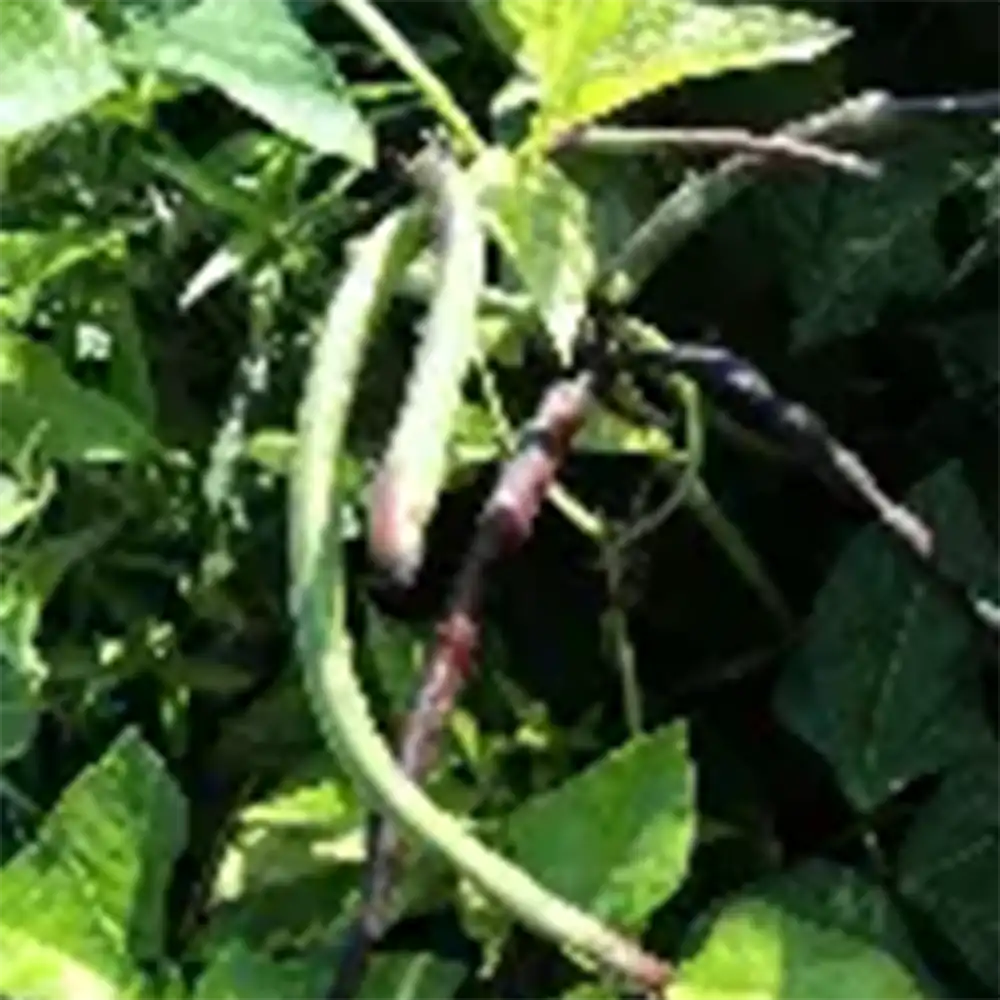
The Southern pea, also known as cowpea, is a warm-season legume that has long been valued for its ability to provide both food and soil benefits. Its scientific name is Vigna unguiculata. This crop is highly versatile, producing seeds that can be eaten fresh, dried, or cooked, as well as tender pods that may be harvested young. In addition to its role as a nutritious food source, Southern peas are often grown as a cover crop because of their ability to improve soil health through nitrogen fixation.
Southern peas thrive in warm climates and are well suited for regions with long summers. They grow best in full sun and require well-drained soil with moderate fertility. Because they are legumes, they do not need heavy applications of nitrogen fertilizer, as they can produce their own through a symbiotic relationship with beneficial soil bacteria. Ideal soil conditions include sandy loam or loamy soils that allow for good root development and air circulation. For optimum growth, the soil pH should range between 5.8 and 6.5, which is slightly acidic. Southern peas are relatively drought tolerant once established, but consistent moisture during flowering and pod formation helps ensure a good yield.
Like many crops, Southern peas can face some common pests. Aphids are among the most frequent, often clustering on young shoots and undersides of leaves to feed on plant sap. Cowpea curculios may target the pods, boring into them to lay eggs. Thrips are another pest that may appear, feeding on plant tissues and sometimes causing leaf distortion. Cutworms and other caterpillars may also feed on young seedlings in the early stages of growth. While these pests can appear, Southern peas remain resilient, and healthy plants can continue to produce abundantly when managed properly.
Southern peas are a valuable crop for both nutrition and soil improvement. Their ability to adapt to warm growing conditions, provide protein-rich food, and enhance soil fertility makes them important to many gardens and farms. With the right sunlight, well-drained soil, and careful attention to growth conditions, Southern peas thrive and provide a reliable harvest year after year.