Sesame
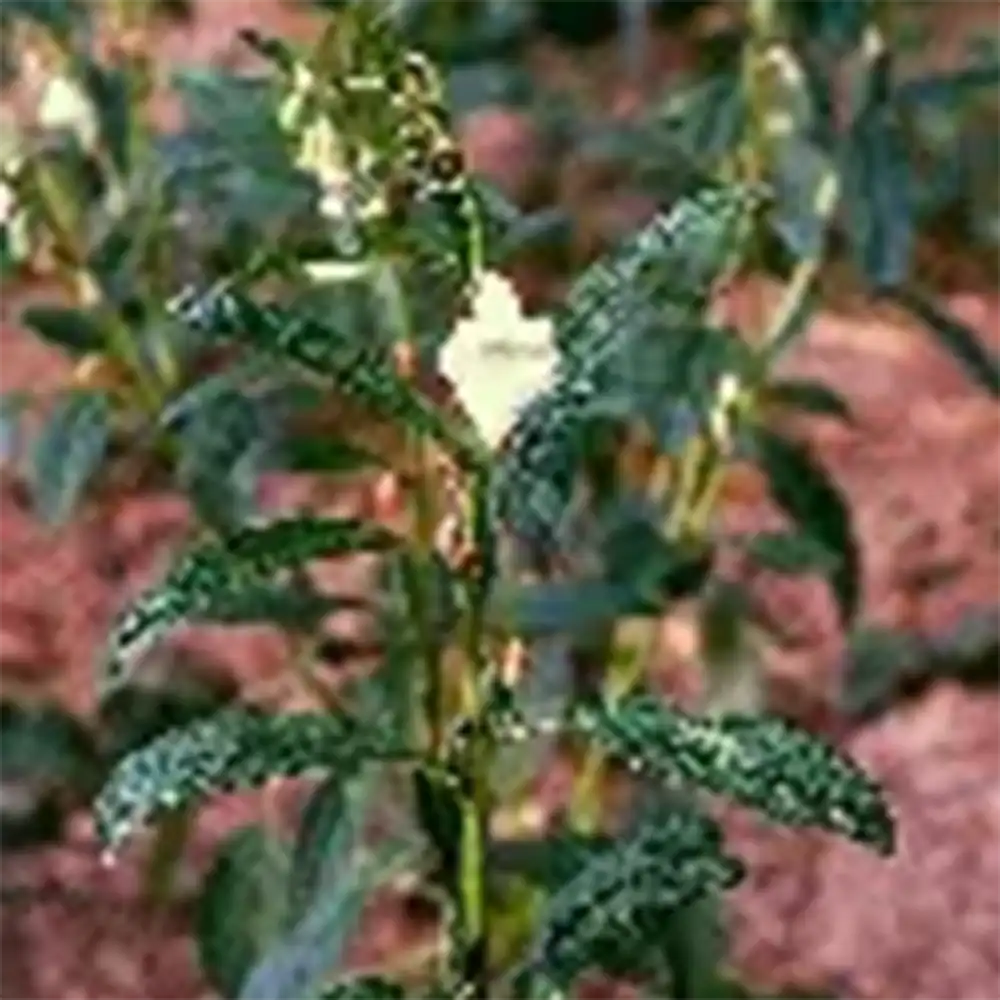
Sesame is one of the oldest cultivated crops in the world, valued for its tiny seeds that pack a punch in both flavor and nutrition. Often found on burger buns or in the form of sesame oil, this crop is widely used in cooking around the globe. Sesame seeds come in a variety of colors—white, black, and brown—and are known for being rich in healthy oils and protein.
Growing sesame is relatively simple, especially in warm climates. Sesame thrives in areas with hot temperatures and well-drained, sandy-loam soils. It prefers a soil pH of around 5.5 to 8.0, making it adaptable to a wide range of environments. Farmers typically plant sesame in late spring after the risk of frost has passed. It is a drought-tolerant plant that doesn’t require much irrigation, which makes it ideal for dry, arid regions. However, it does need full sunlight to grow to its full potential.
Sesame plants usually grow about 3 to 5 feet tall and produce small tubular flowers that develop into seed pods. These pods contain dozens of sesame seeds each. When the seeds are mature, the plant naturally dries and the pods begin to split open, which is when they are ready for harvest. Timing is important to avoid seed loss during harvesting.
While sesame is generally hardy, it can occasionally face challenges from pests like whiteflies, leafrollers, and aphids. These pests can be managed through natural pest control methods or by planting sesame in rotation with other crops. Regular field monitoring helps ensure a healthy harvest.
Sesame is not just a flavorful ingredient—it’s also a reliable, low-maintenance crop with many benefits. Its ability to grow in tough conditions makes it a valuable addition to farms in warm regions across the United States and beyond.