Rye
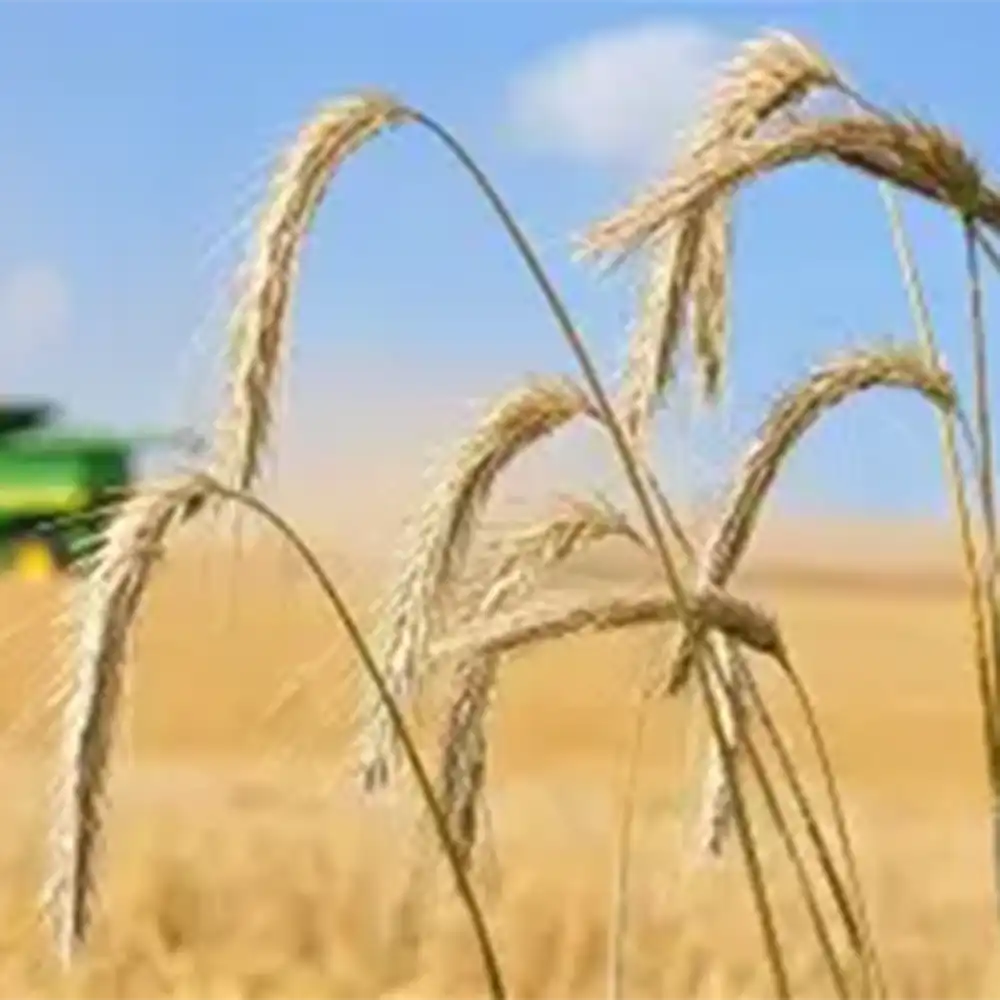
Rye is a strong and dependable cereal grain grown for food, animal feed, and soil improvement. Its scientific name is Secale cereale. Rye has been cultivated for centuries and is known for its ability to grow in tough conditions where other crops may struggle. It is used to make products like rye bread, crackers, whiskey, and also serves as a cover crop to improve soil health.
Rye grows best in cooler climates and is often planted in the fall as a winter crop. It is one of the most cold-tolerant cereal grains and can survive harsh winters, making it popular in northern regions. Rye prefers full sunlight and well-drained soils, but it is very adaptable and can grow in sandy or low-fertility soils where other grains might not perform well. The ideal soil pH for growing rye is between 5.5 and 7.0, which means it can handle slightly acidic to neutral soils. Rye grows quickly and establishes a deep root system, which helps reduce soil erosion and improves soil structure.
Even though rye is a hardy plant, it can still face pests. Some common pests that affect rye include aphids, which feed on the plant’s sap and may attract other insects, and cereal leaf beetles, which chew on the leaves and can reduce photosynthesis. Armyworms and wireworms can also pose a risk by feeding on leaves and roots. Farmers often manage these pests by practicing crop rotation, using beneficial insects, and monitoring fields regularly to ensure healthy growth.
Rye is a versatile and resilient crop that offers many benefits to both farmers and consumers. Its ability to thrive in challenging environments, improve soil health, and provide valuable food and feed products makes it an important grain in agriculture. Whether used in baked goods, beverages, or on the farm as a cover crop, rye continues to support strong and sustainable farming practices.