Rosemary
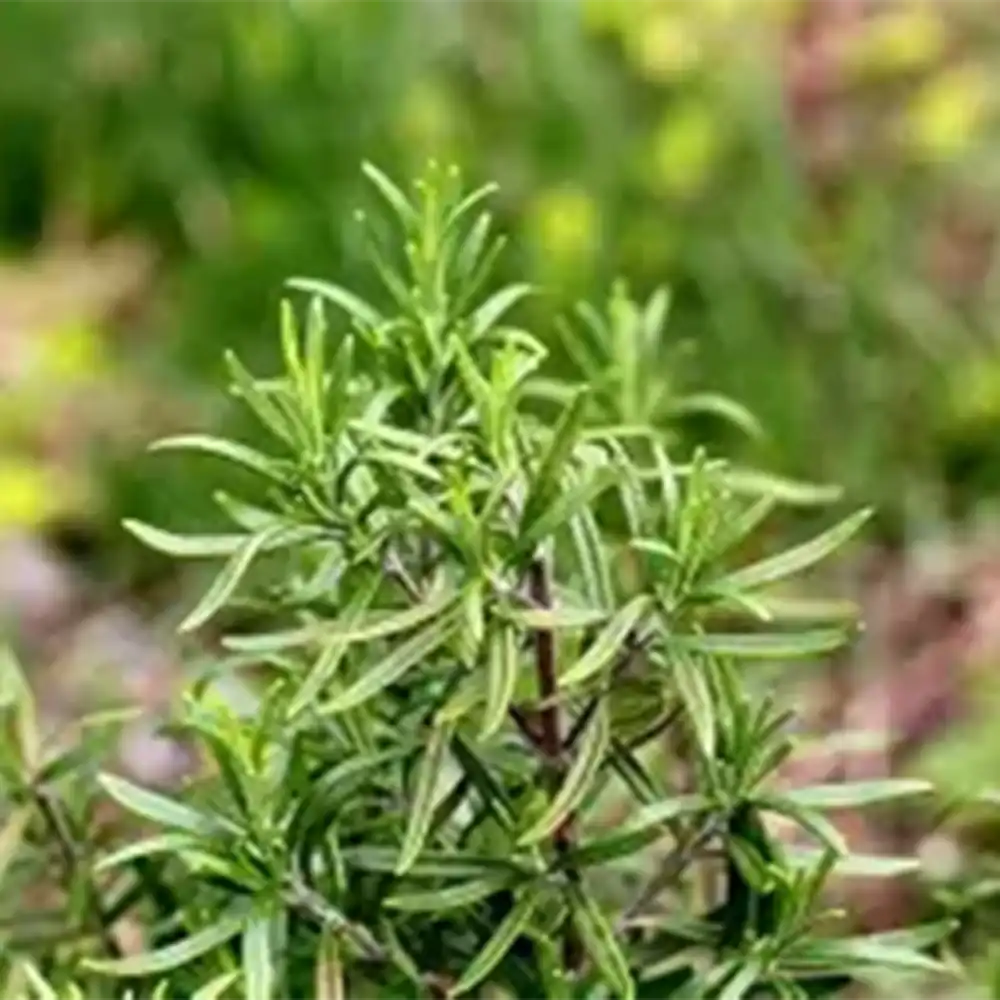
Rosemary is a woody, evergreen herb known for its needle-like leaves and strong, pleasant aroma. The scientific name for rosemary is Salvia rosmarinus (formerly Rosmarinus officinalis). It is a popular herb in Mediterranean cooking and is often used to flavor roasted meats, vegetables, soups, and breads. Rosemary is also valued for its ornamental beauty, attracting pollinators and adding structure to herb gardens and landscapes.
Rosemary grows best in warm, sunny climates and prefers full sunlight for at least six to eight hours a day. It thrives in well-drained, sandy or loamy soil and does not tolerate standing water or overly moist conditions. Rosemary is drought-tolerant once established and is well-suited for dry, Mediterranean-like environments. The ideal soil pH for rosemary is between 6.0 and 7.5, which is slightly acidic to neutral. Gardeners often grow rosemary in raised beds or containers to ensure good drainage and airflow around the roots.
Although rosemary is a hardy plant, it can occasionally face pests. Common pests include aphids, which feed on new growth, and spider mites, which thrive in dry conditions and can cause leaf discoloration. Whiteflies may also appear and gather on the undersides of leaves. These pests are usually managed with natural methods such as insecticidal soaps, regular pruning, and encouraging beneficial insects like ladybugs. Rosemary is also naturally resistant to many pests due to its strong fragrance.
Rosemary is a dependable and aromatic herb that enhances both gardens and kitchens. Its ability to grow in tough conditions, along with its culinary and ornamental value, makes it a favorite among herb growers and home cooks. Whether planted in a sunny garden bed or a decorative container, rosemary provides beauty, flavor, and fragrance all year long.