rice
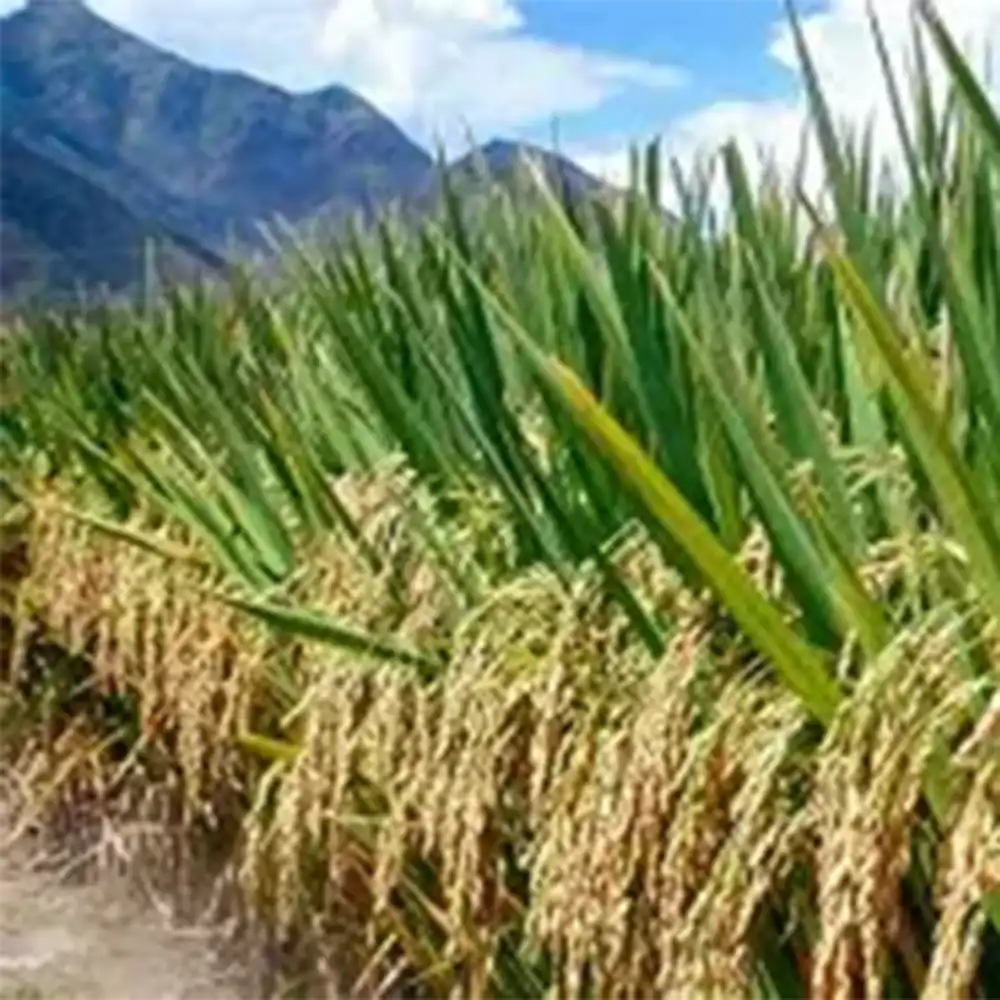
Rice is one of the most important food crops in the world and serves as a daily staple for billions of people. The scientific name for rice is Oryza sativa. It is a cereal grain that provides essential energy and nutrients, especially in Asia, Africa, and parts of the Americas. Rice is highly valued not only for its role in human diets but also for its cultural importance and adaptability in farming systems.
Rice grows best in warm, tropical or subtropical climates with plenty of water. It requires high humidity and temperatures between 70°F and 100°F during its growing season. One of the unique things about rice is that it grows well in flooded fields, known as paddies. These conditions help control weeds and pests. However, rice can also be grown in upland fields with good irrigation. The ideal soil for rice is deep, fertile, and rich in organic matter. Rice grows best in soils with a pH range of 5.5 to 7.0, which is slightly acidic to neutral. Clay or silty loam soils that hold water well are often preferred for rice cultivation.
Although rice is a strong and productive crop, it can face certain pests. Common pests include the rice water weevil, which feeds on roots and young leaves, and rice stem borers, which tunnel into stems and reduce plant strength. Other pests such as planthoppers, leafhoppers, and armyworms may also be found in rice fields. These insects feed on leaves and stems, and farmers use careful pest monitoring, water management, and natural pest predators to keep the crop healthy and productive.
Rice is a reliable and essential crop that supports food security across the globe. Its ability to grow in wet, warm environments and its flexibility in various farming systems make it a favorite among farmers. Whether served as a side dish, in sushi, or in rice-based cereals, rice continues to nourish people and provide a strong foundation for agriculture in many regions.