Potato
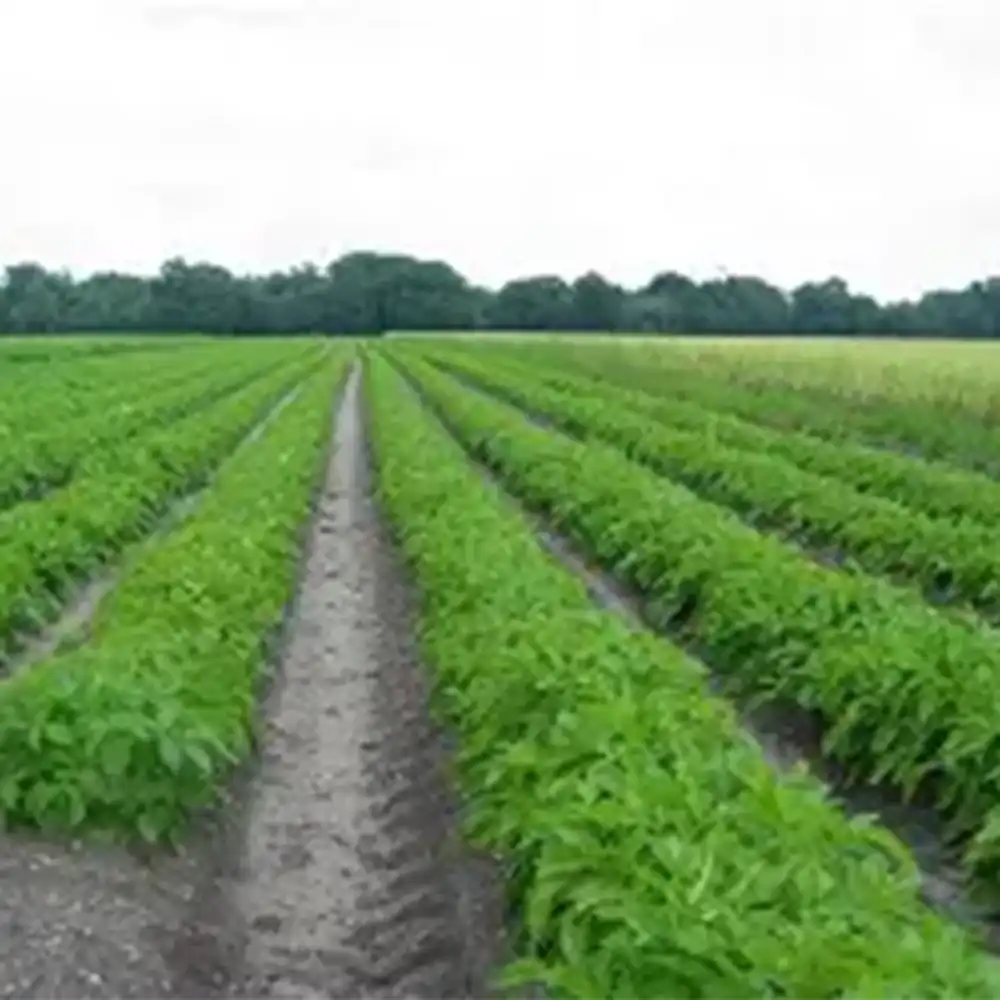
The potato (Solanum tuberosum) is one of the most widely grown and consumed crops in the world. Known for its versatility and nutritional value, the potato is a staple food in many countries and can be prepared in countless ways—from mashed and baked to fried and roasted. Potatoes are root vegetables, but unlike carrots or beets, the edible part is not the root but the tuber, which grows underground and stores nutrients for the plant. Potatoes are part of the nightshade family, along with tomatoes and peppers, and come in many varieties with different sizes, colors, and textures.
Potatoes grow best in cool climates and are typically planted in early spring. They prefer loose, well-drained soil that is slightly acidic, with a pH between 5.0 and 6.5. Soil that is rich in organic matter helps tubers develop properly. Potatoes need full sun, receiving at least 6 to 8 hours of sunlight per day. They are usually grown from "seed potatoes," which are small tubers or pieces of tubers that contain eyes or buds. After planting, soil is often mounded around the plant in a process called "hilling," which helps protect growing tubers from sunlight and encourages the plant to produce more potatoes.
Although potatoes are generally hardy and productive, they can face challenges from a few common garden pests. The Colorado potato beetle is one of the most well-known pests that feeds on potato leaves and can quickly defoliate a plant. Aphids, which are tiny sap-sucking insects, can also affect potato plants by weakening them and potentially transmitting viruses. Another pest, the wireworm, can burrow into tubers, leaving small holes. Gardeners often manage these pests by rotating crops, encouraging beneficial insects, and using natural sprays like neem oil or insecticidal soap when needed.
The potato is a highly valuable and easy-to-grow crop for gardeners and farmers alike. With the right soil, sunlight, and care, potatoes can produce a large and nutritious harvest. Their ability to grow underground and adapt to various cooking styles makes them a rewarding crop for anyone interested in food production. By understanding basic growing conditions and keeping an eye out for common pests, anyone can grow healthy, abundant potato plants.