Pomegranate
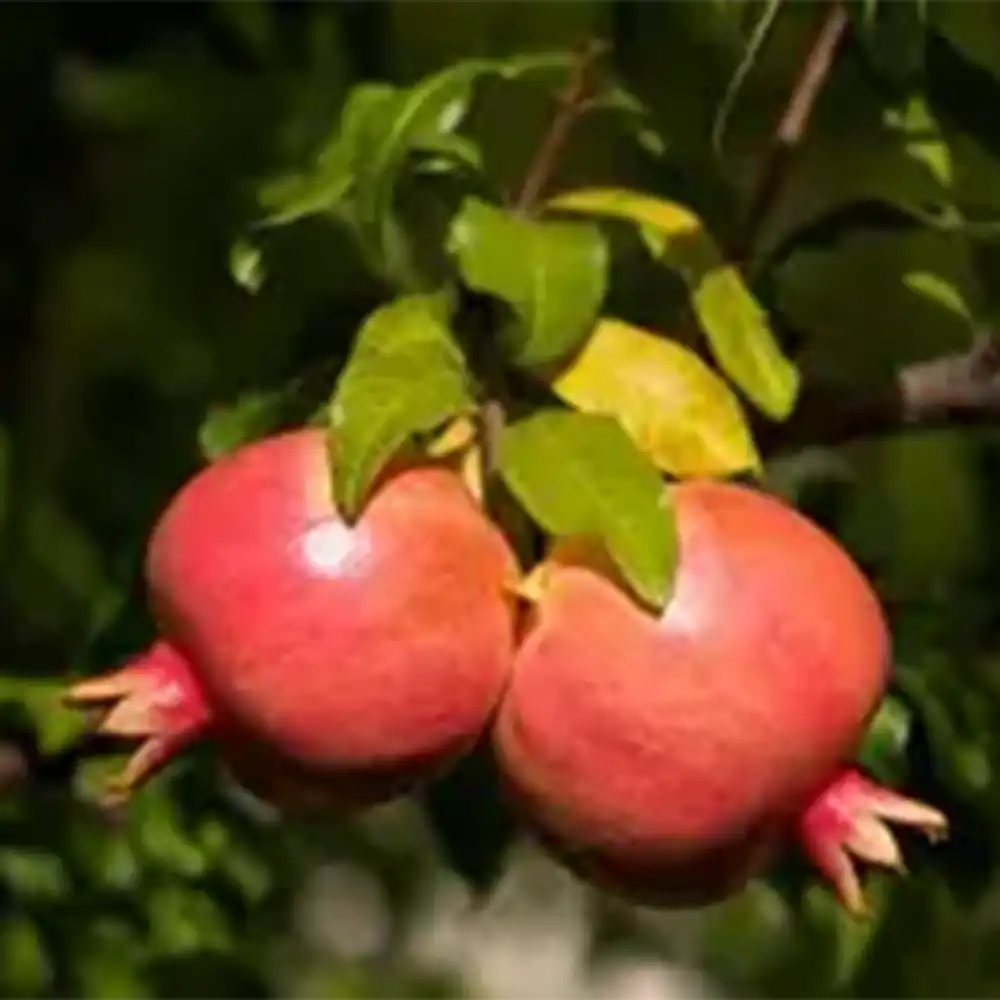
Pomegranate is a unique fruit crop known for its round shape, leathery skin, and juicy red seeds called arils. The scientific name of the pomegranate is Punica granatum. This fruit is highly valued for its sweet-tart flavor, vibrant color, and nutritional benefits. It is often enjoyed fresh, juiced, or used in cooking and baking. Pomegranates are also a symbol of health and abundance in many cultures and are grown in warm climates around the world.
Pomegranates grow best in areas with hot, dry summers and cool winters. They are well-suited to regions with long growing seasons and plenty of sunshine. These plants are very heat-tolerant and can handle drought once established, although they produce more fruit with regular watering. Pomegranates prefer well-drained soils and do not grow well in waterlogged areas. The ideal soil pH for pomegranate growth is between 5.5 and 7.0, which ranges from slightly acidic to neutral. They can be grown as shrubs or small trees and are often planted in orchards or home gardens.
Though pomegranates are strong and adaptable, they may face a few pests. One common pest is the pomegranate butterfly, whose larvae feed on the fruit. Aphids can also be found on the leaves and stems, feeding on plant sap. Another pest is the whitefly, which can weaken plants by feeding on the underside of leaves. Pomegranate growers use natural predators, pruning, and careful monitoring to manage pest problems and keep the plants healthy.
Pomegranates are a beautiful and productive crop that offers both visual appeal and flavorful fruit. Their ability to grow in hot, sunny climates, combined with their nutritional value and many uses, makes them a favorite among farmers and gardeners. Whether enjoyed fresh, juiced, or added to recipes, pomegranates continue to be a valuable fruit crop in gardens and orchards around the world.