Plum
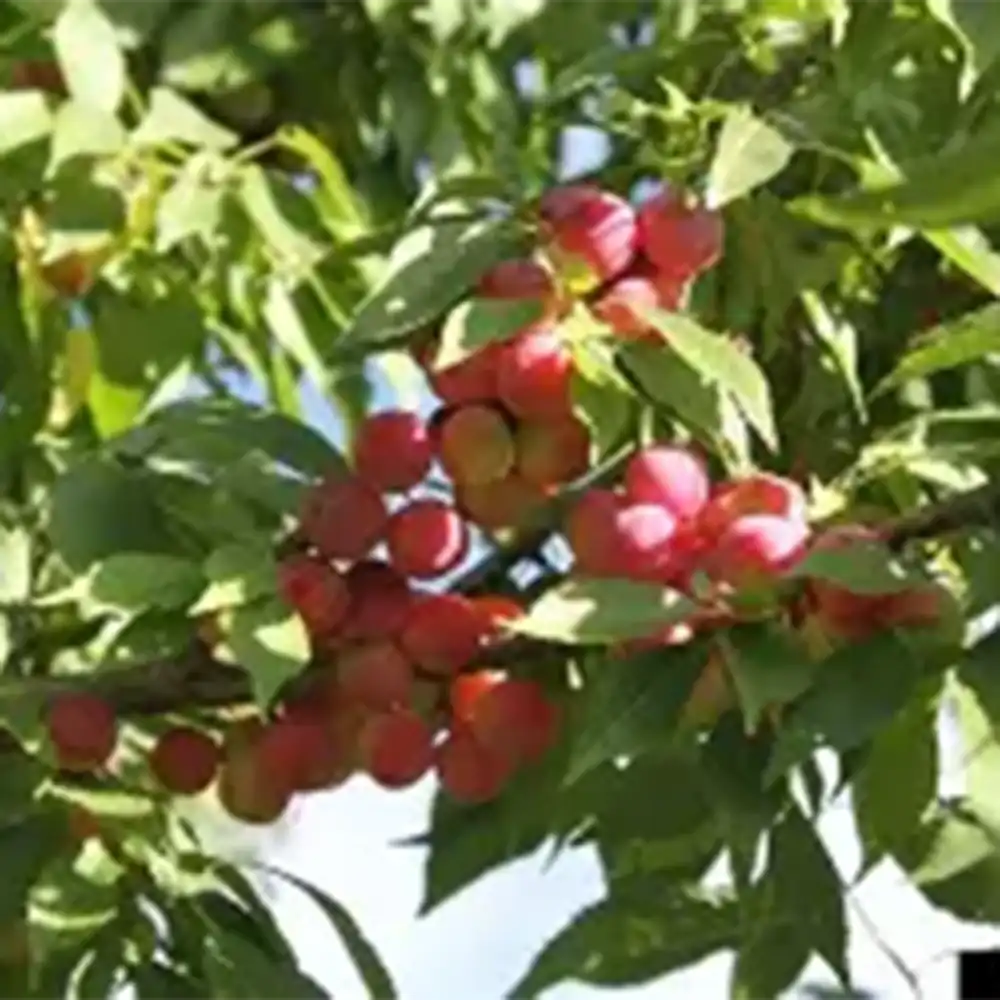
Plums are a popular and versatile fruit enjoyed around the world for their juicy, sweet flavor and beautiful color. They can be eaten fresh, dried (as prunes), or used in cooking and baking. Plums come in a wide variety of types, including European and Japanese varieties, each with their own unique characteristics in flavor, texture, and harvest time. The plum tree is a great addition to both home gardens and commercial orchards.
Plums grow best in areas with full sun and well-drained soil. They prefer loamy soils that are rich in organic matter, but they can adapt to other soil types if drainage is good. Plums grow well in USDA hardiness zones 4 through 9, depending on the variety. Japanese plums tend to thrive in warmer climates, while European plums are more cold-hardy. When planting plum trees, it’s important to consider the chilling hour requirement, which is the amount of cold weather a tree needs in winter to produce fruit in spring.
To ensure good fruit production, many plum trees require cross-pollination with another compatible variety, especially Japanese types. European plums are often self-pollinating but may still benefit from having a second tree nearby. Plums should be pruned annually to maintain shape, remove dead wood, and improve air circulation, which helps prevent disease and supports better fruit quality.
Plum trees begin to produce fruit within three to six years after planting. The fruits develop in the summer and are usually harvested between May and September, depending on the variety and location. The fruit should be picked when fully ripe for the best flavor. Once picked, plums can be stored in a cool place or refrigerated to extend their shelf life.
While plum trees are generally easy to care for, they may attract a few pests. Some common pests include plum curculio (a type of beetle), aphids, and mites. Keeping trees healthy with proper watering, fertilization, and pruning helps reduce pest problems. Birds are also drawn to the fruit, so netting may be used to protect ripening plums. Additionally, regular monitoring and natural pest management practices support tree health and fruit quality.
Plums are a wonderful fruit to grow and enjoy. They are beautiful trees that offer delicious fruit and can be used in many ways in the kitchen. With the right care and conditions, plum trees can be a productive and rewarding part of any orchard or garden.