Pear
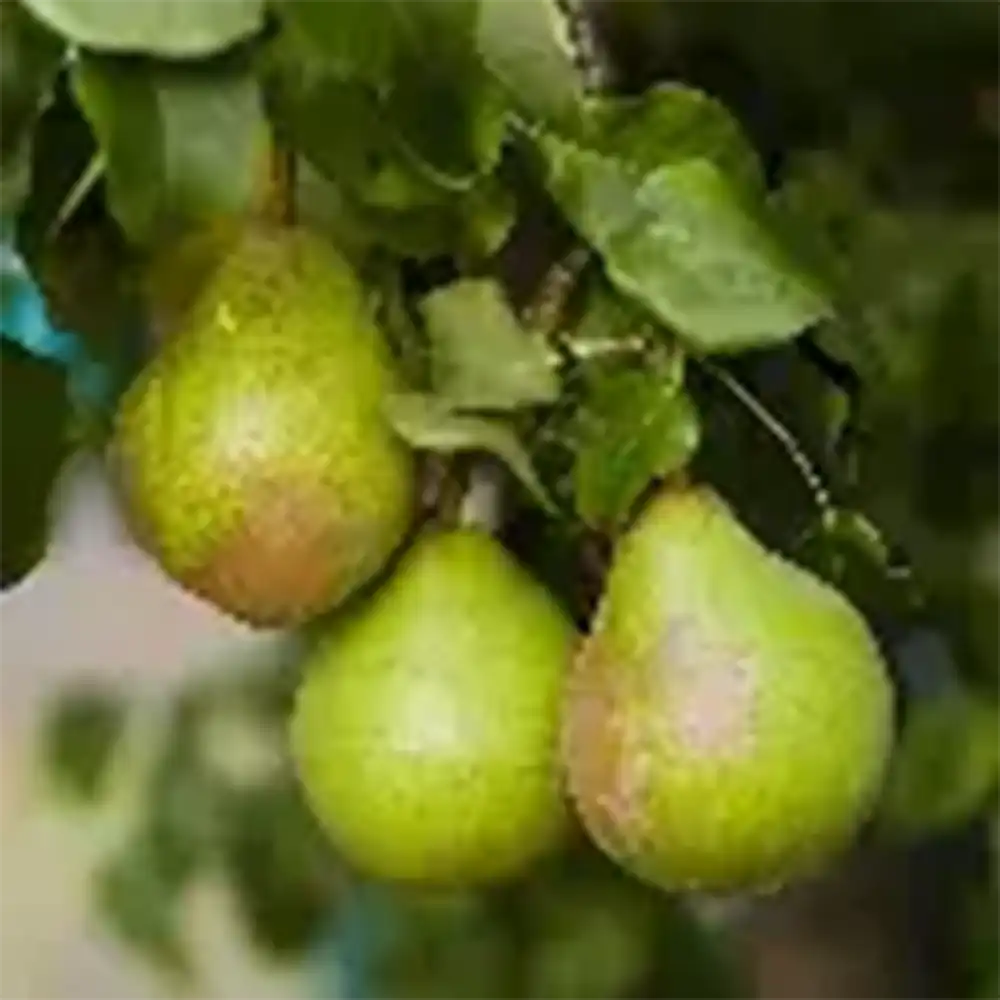
The pear (Pyrus spp.) is a popular fruit known for its sweet, juicy taste and smooth, grainy texture. Pears have been cultivated for thousands of years and are enjoyed fresh, canned, or used in cooking and baking. They belong to the Rosaceae family, like apples, and come in a variety of types, including Bartlett, Bosc, and Anjou. Pears are a great source of dietary fiber, vitamin C, and antioxidants, making them a healthy and delicious addition to many diets.
Pear trees grow well in temperate climates and are best suited to USDA hardiness zones 4 through 8, depending on the variety. They thrive in full sun and prefer well-drained, loamy soil with a slightly acidic to neutral pH between 6.0 and 7.0. Good air circulation is also important for pear trees, especially during flowering, as it helps reduce the risk of excess moisture around the leaves and fruit. While some pear varieties are self-pollinating, many types benefit from cross-pollination with another compatible pear variety planted nearby to increase fruit yield.
Planting pear trees typically happens in early spring or fall. The trees should be spaced about 15 to 20 feet apart to allow room for growth and air movement. Like most fruit trees, pears require regular pruning to shape the tree, encourage strong branches, and improve sunlight exposure to the fruit. Once established, pear trees begin producing fruit in about 3 to 5 years, with harvest season usually occurring from late summer into fall, depending on the variety.
Pears are relatively low-maintenance, but they can attract some common pests. Codling moths, pear psylla, and aphids are a few insects that may visit pear trees. These pests can be managed with integrated pest management (IPM) practices, which include monitoring, pruning, and using organic or conventional controls if needed. Maintaining healthy trees with good cultural practices is often the best way to prevent pest issues before they begin.
Pears offer versatility in the kitchen and can be eaten fresh, dried, baked, or poached. Their soft, sweet flesh pairs well with both sweet and savory dishes, making them a favorite among home cooks and chefs alike. With their beauty in bloom, ease of care, and rewarding harvest, pear trees are a fantastic fruit crop for gardeners and growers who want to enjoy homegrown fruit straight from their own orchard.