Peanut
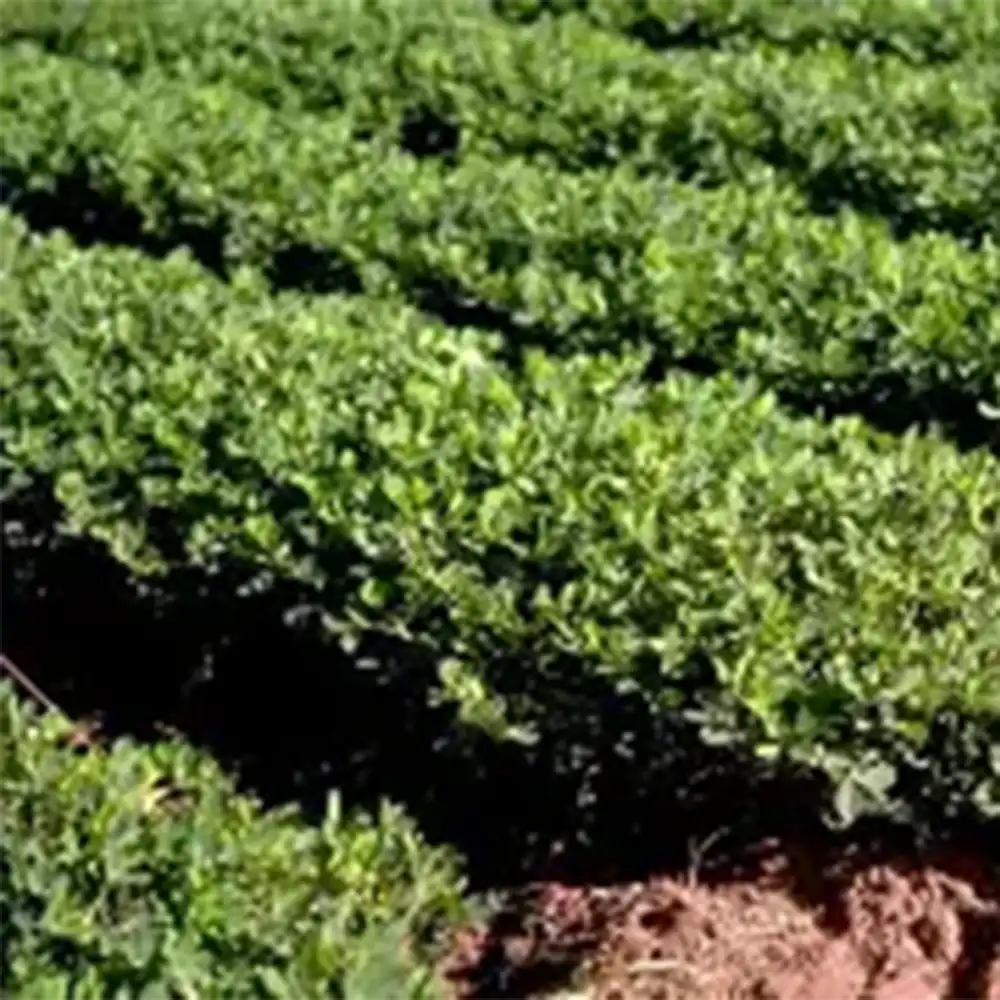
Peanuts, also known as groundnuts, are a unique and valuable crop grown primarily in the southern United States. Despite being commonly referred to as a nut, peanuts are actually legumes, similar to beans and peas. They are widely used in a variety of food products, including peanut butter, snacks, and cooking oils. In addition to their versatility, peanuts are valued for being high in protein and essential nutrients.
Growing peanuts begins with choosing the right location. Peanuts thrive in well-drained, sandy soils with a pH range between 5.8 and 6.5. These soils allow the peanut pods to develop underground, which is a distinctive feature of the plant. The growing season for peanuts typically lasts around 120 to 150 days, depending on the variety. Peanuts need full sun and warm temperatures to grow properly, so planting usually takes place in late spring after the danger of frost has passed.
Once planted, peanut seeds grow into low, bushy plants with yellow flowers. After pollination, the plant produces "pegs" that grow down into the soil and form the peanut pods. Regular watering is essential, especially during the flowering and pod development stages. However, peanuts are also drought-tolerant and do well with moderate irrigation.
Peanuts can face some pest challenges, most notably from insects like aphids, thrips, and cutworms. These pests can be managed through careful monitoring and the use of integrated pest management practices. Crop rotation and maintaining healthy soil can also help reduce pest problems.
Peanuts are a fascinating and rewarding crop to grow. Their unique growth habits, nutritional value, and wide variety of uses make them an important part of agriculture in the United States and around the world.