Parsley
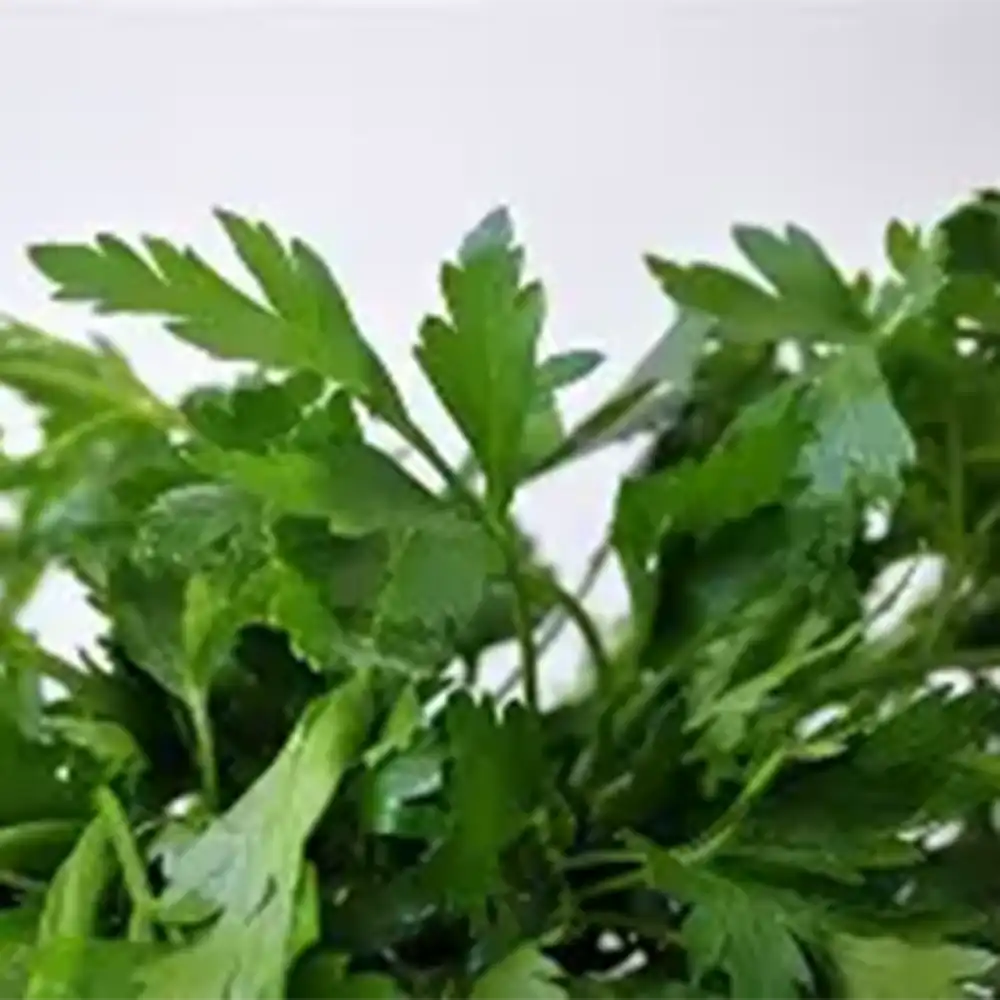
Parsley is one of the most widely used herbs in kitchens around the world, known for its fresh, mild flavor and attractive green leaves. The scientific name for parsley is Petroselinum crispum. It is a biennial plant most commonly grown as an annual, with two main types: curly leaf parsley, which is often used as a garnish, and flat leaf parsley, which is prized for its stronger flavor in cooking. Parsley is rich in vitamins and minerals, making it not only a flavorful addition to meals but also a nutritious one.
Parsley grows best in cool to moderate climates and prefers full sun but can tolerate partial shade, especially in hotter regions. The soil should be well-drained, rich in organic matter, and kept consistently moist to support steady growth. Sandy loam or loamy soils work particularly well for this crop. Parsley grows slowly at first but becomes more vigorous as it establishes. The ideal soil pH for parsley ranges between 6.0 and 7.0, which is slightly acidic to neutral. Because parsley develops a deep taproot, it is important to plant it in soil that is loose and not compacted, allowing for strong root growth.
While parsley is hardy and adaptable, it can sometimes face pests in the garden. Aphids are among the most common, clustering on leaves and stems where they feed on sap. Armyworms and cutworms may also target parsley, chewing on foliage or young seedlings. Leaf miners are another potential pest, creating winding trails inside leaves as they feed. In damp conditions, slugs and snails may also be drawn to parsley leaves. Gardeners often manage these pests by keeping garden beds clean, rotating crops, and encouraging natural predators such as ladybugs to keep populations under control.
Parsley is a valuable crop that combines flavor, nutrition, and beauty. Its versatility in cooking, attractive greenery, and ease of growth make it a favorite among both home gardeners and commercial growers. With the right soil conditions, sunlight, and care, parsley thrives and provides a steady supply of fresh, aromatic leaves that enhance meals and gardens alike.