Papaya
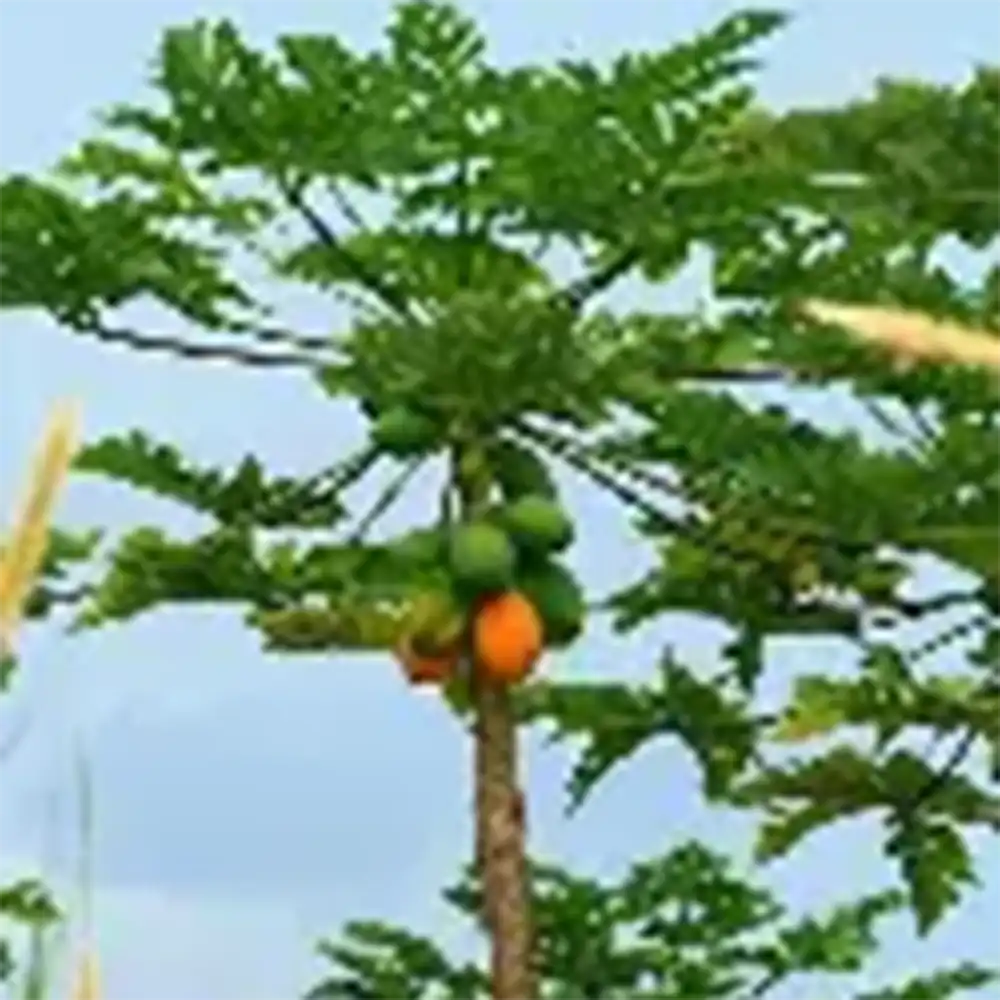
Papaya is a tropical fruit known for its sweet flavor, bright orange flesh, and many health benefits. It grows on a fast-growing tree that resembles a tall herb more than a woody tree. Native to Central America and southern Mexico, papaya is now grown in many tropical and subtropical regions around the world. In addition to being delicious, papayas are rich in vitamins A and C, fiber, and antioxidants that support digestion and boost the immune system.
Papaya trees thrive in warm climates with temperatures between 70°F and 90°F. They grow best in USDA hardiness zones 9 through 12. These trees require full sun and prefer well-drained, fertile soil. While they can tolerate a range of soil types, papayas grow best in sandy or loamy soil that doesn’t hold too much water. Good drainage is important because papaya trees don’t like to sit in wet soil. Consistent moisture is key, but the soil should be allowed to dry slightly between waterings to avoid overwatering.
Papaya trees are typically grown from seeds and can begin producing fruit as early as 6 to 12 months after planting. The tree has a single trunk and large, lobed leaves that grow at the top. Papayas are either male, female, or hermaphrodite. Hermaphrodite trees are most commonly used in commercial production because they produce fruit without the need for a second tree.
To support healthy growth and fruit development, papayas benefit from regular fertilization. A balanced fertilizer with nitrogen, phosphorus, and potassium should be applied every few months, especially when the tree is young. Mulching around the base of the plant helps retain moisture and keep the roots cool.
Like many fruit crops, papayas can face challenges from pests. Common pests include aphids, whiteflies, spider mites, and fruit flies. These pests can be managed through regular monitoring, encouraging beneficial insects, and maintaining healthy plants. Diseases such as powdery mildew and black spot can also occur in humid conditions, but good air circulation and proper spacing help prevent problems.
Harvesting papayas is easy once you know the signs. The fruit is ready to be picked when it begins to change color from green to yellow. Papayas continue to ripen after harvest, and once fully ripe, they are soft, juicy, and ready to eat. They can be eaten fresh, added to smoothies, used in cooking, or even dried for later use.
In conclusion, papaya is a rewarding and fast-growing fruit crop that offers both beauty and nutrition. With the right growing conditions and care, even beginner gardeners can enjoy a steady supply of this tropical fruit. Whether grown in the ground or large containers, papayas make an excellent addition to any warm-climate garden.