Oregano
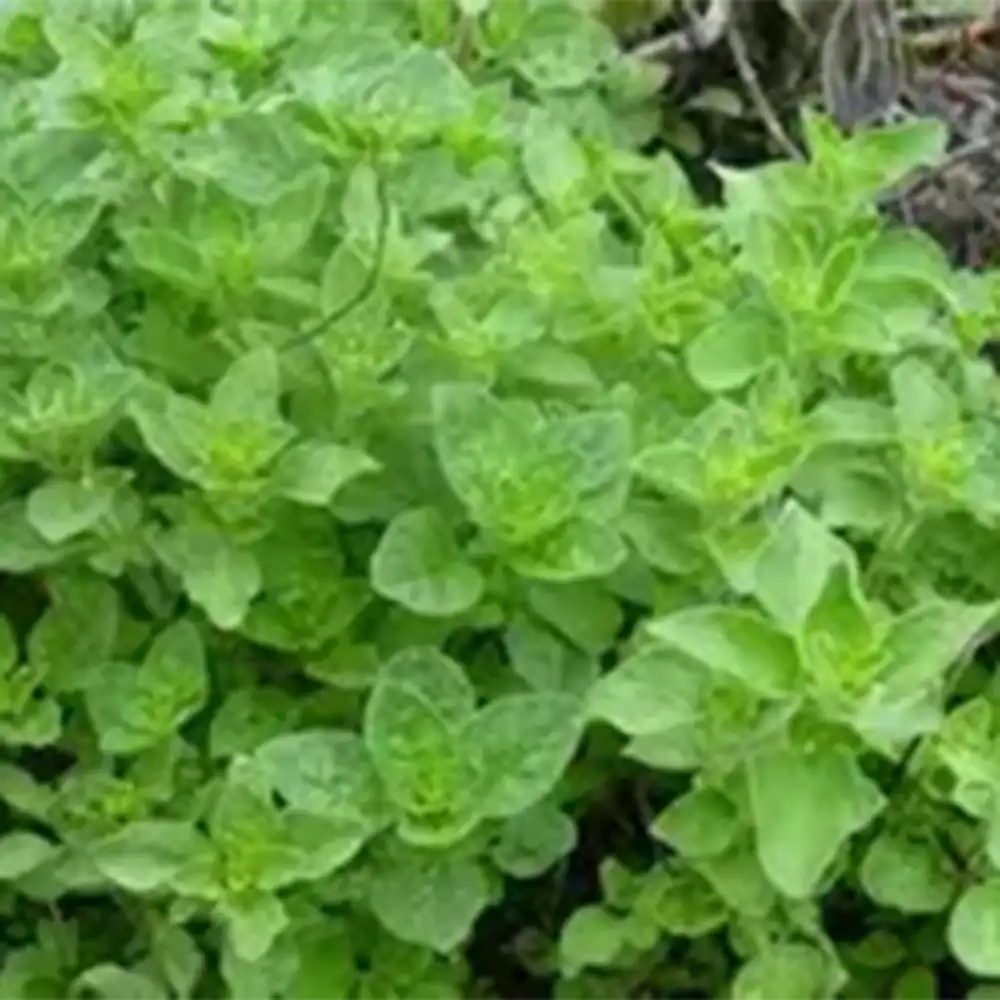
Oregano is a well-known culinary herb prized for its bold, earthy flavor and aromatic leaves. The scientific name for oregano is Origanum vulgare. It is a staple in Mediterranean, Italian, and Mexican cuisines, often used to season meats, sauces, vegetables, and soups. Beyond the kitchen, oregano is valued for its ornamental beauty in gardens and its ability to attract pollinators such as bees and butterflies. Its ease of growth and multiple uses make oregano a favorite herb for both home gardeners and commercial growers.
Oregano grows best in warm, sunny conditions. It requires full sun, ideally six to eight hours per day, to produce the most flavorful leaves. The plant thrives in well-drained, moderately fertile soils, and it does not require heavy fertilization to perform well. Sandy or loamy soils are ideal, as they prevent waterlogging around the roots. Once established, oregano is drought-tolerant and performs well in dry conditions. The ideal soil pH for oregano ranges between 6.0 and 8.0, allowing it to adapt to slightly acidic through slightly alkaline soils. Oregano can be grown in garden beds, raised beds, or containers, and regular trimming encourages fuller, bushier plants.
Though oregano is a hardy herb, it can face a few pests in the garden. Aphids may gather on young shoots, feeding on sap and reducing vigor. Spider mites are another common pest, especially in hot, dry weather, leaving behind webbing and small yellow spots on leaves. Leaf miners may also be present, creating visible trails in the foliage. Whiteflies can sometimes affect oregano, particularly in greenhouse conditions. These pests are often controlled by good cultural practices such as maintaining proper spacing, pruning to improve airflow, and encouraging beneficial insects like ladybugs and lacewings.
Oregano is a rewarding and versatile crop that provides both flavor and beauty. Its ability to grow in a wide range of soils, combined with its strong, aromatic leaves, makes it one of the most popular herbs around the world. Whether used fresh or dried, oregano continues to enrich cuisines and gardens with its fragrance and taste, making it a valuable plant for growers and cooks alike.