Orange
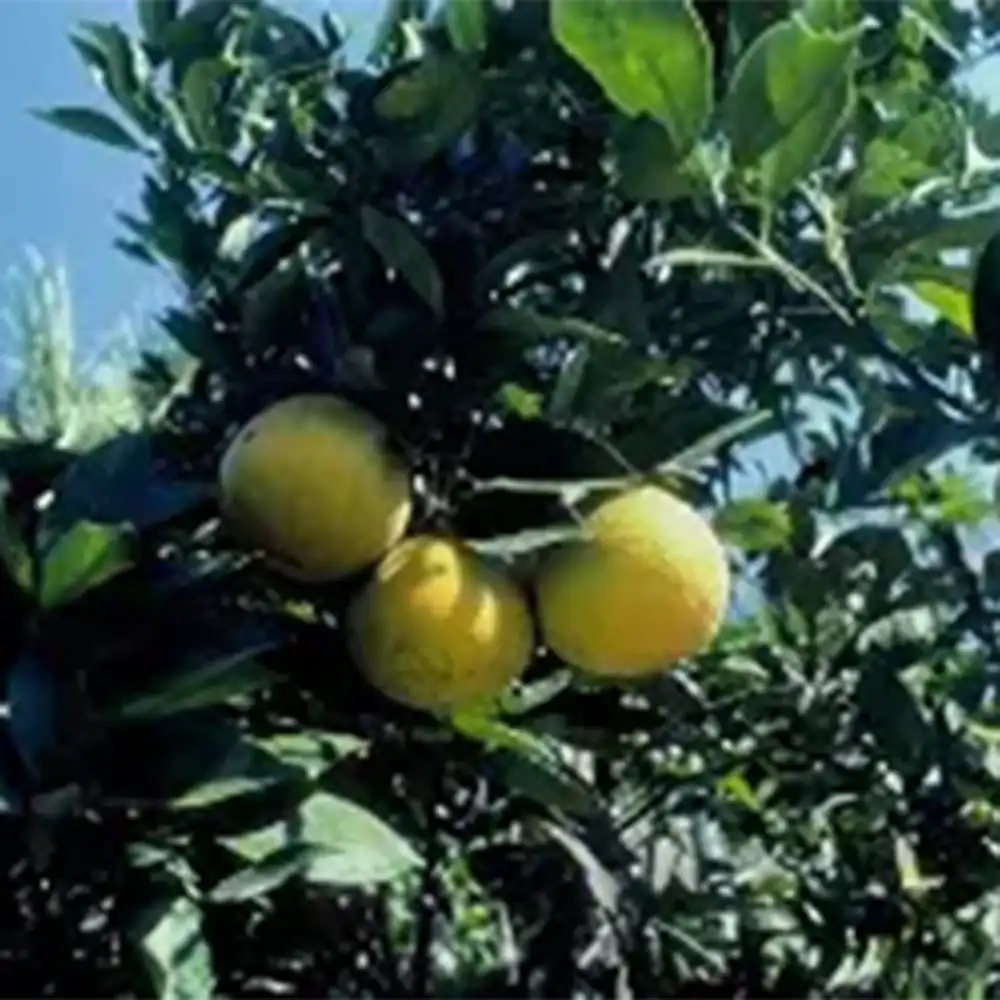
Oranges are one of the most popular and widely grown fruits in the world, known for their sweet, juicy taste and high vitamin C content. They are a type of citrus fruit and belong to the Rutaceae family. Oranges are enjoyed fresh, as juice, or used in cooking and baking. This crop is especially valuable because it combines excellent nutrition with a long shelf life and a wide range of uses.
Orange trees grow best in warm, sunny climates with well-drained soil. They thrive in USDA hardiness zones 9 through 11. Ideal growing temperatures are between 55°F and 100°F, with very little frost. Oranges prefer full sun and need at least 6 to 8 hours of sunlight per day. They do best in sandy loam soil that holds moisture but drains well. While orange trees can tolerate brief dry periods, consistent watering is essential, especially during fruit development. Using mulch around the base of the tree can help retain soil moisture and regulate temperature.
Orange trees are typically propagated by grafting, which ensures consistent fruit quality and faster maturity. A young tree usually starts producing fruit within 3 to 5 years. These trees can grow quite large—up to 30 feet tall—but can also be pruned to a more manageable size for smaller gardens or orchards. Orange blossoms are fragrant and attract pollinators, which help ensure good fruit set.
Proper care, including fertilization, supports healthy tree growth and fruit production. Oranges benefit from regular applications of balanced fertilizer, especially one formulated for citrus trees. Nutrients such as nitrogen, potassium, and magnesium are especially important for producing high-quality fruit. Feeding the trees in early spring and again in mid-summer helps encourage strong growth and abundant fruit.
While orange trees are generally hardy, they can face a few pest challenges. Common pests include aphids, scale insects, and citrus leafminers. Regular inspection of the trees and using integrated pest management practices can help control these pests. Beneficial insects, such as ladybugs and lacewings, are natural predators that help keep pest populations in check. In some areas, citrus greening (also called Huanglongbing or HLB) is a serious disease, but selecting disease-resistant rootstocks and maintaining good tree health can support long-term success.
Harvesting oranges is a rewarding part of growing them. The fruit is ready when it has developed a full, rich color and comes off the tree easily with a gentle twist. Oranges do not continue to ripen after they are picked, so it's important to wait until they are mature before harvesting.
Oranges are a beautiful and productive fruit tree for any grower in a suitable climate. They offer both nutritional benefits and the joy of harvesting sweet, homegrown fruit. With proper sunlight, soil, water, and care, orange trees can provide many years of delicious rewards.