Onion
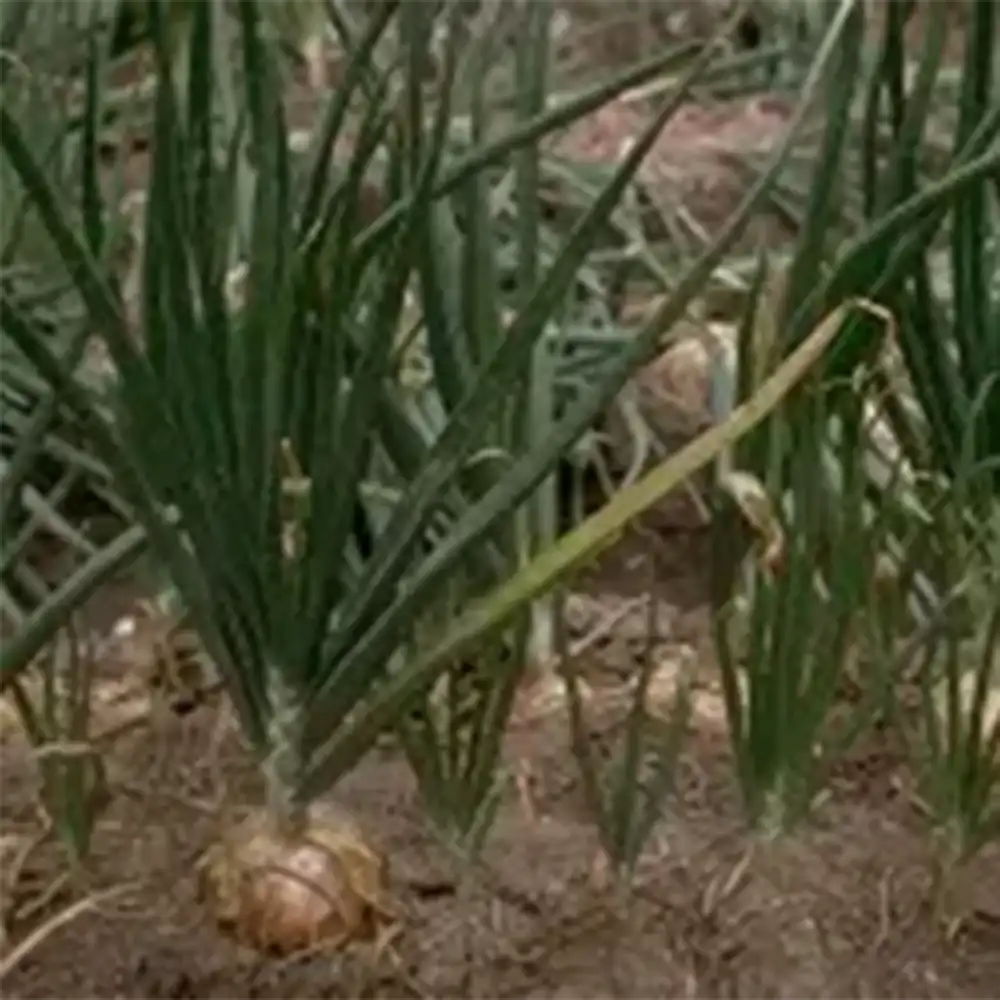
The onion (Allium cepa) is a widely grown vegetable crop known for its unique flavor and versatility in cooking. Onions are used in cuisines all over the world and can be eaten raw, sautéed, grilled, or added to soups and stews. They come in different varieties, such as yellow, red, and white, each offering its own taste and best uses in the kitchen. In addition to being flavorful, onions are also healthy, containing important nutrients like vitamin C, fiber, and antioxidants.
Onions grow as bulbs underground while producing long, green leaves above the surface. They are a cool-season crop and thrive in full sun with well-drained, loose soil. The soil should be rich in organic matter and have a slightly acidic to neutral pH, between 6.0 and 7.0. Onions are usually planted from small bulbs called "sets" or from transplants. They need plenty of sunlight and consistent moisture, especially in the early stages of growth. Onions require a long growing season and are usually ready to harvest when the tops begin to fall over and dry out, signaling that the bulbs are mature.
While onions are a strong and reliable crop, they can still face some challenges from pests. One common pest is the onion thrip, a tiny insect that feeds on the plant’s leaves and can reduce growth if not managed. Another potential pest is the onion maggot, which lays its eggs near the base of the plant. The larvae can burrow into the bulb, so farmers often use crop rotation and good sanitation practices to help prevent infestations. Other helpful methods include using row covers and encouraging natural predators that feed on pests.
With proper care and attention, onions are a rewarding crop to grow. They store well after harvest and can be used in the kitchen for many months. Whether in a backyard garden or on a larger farm, onions are a dependable and valuable addition to any growing operation. Their flavor, health benefits, and ease of storage make them a favorite among both home gardeners and commercial producers.