Oats
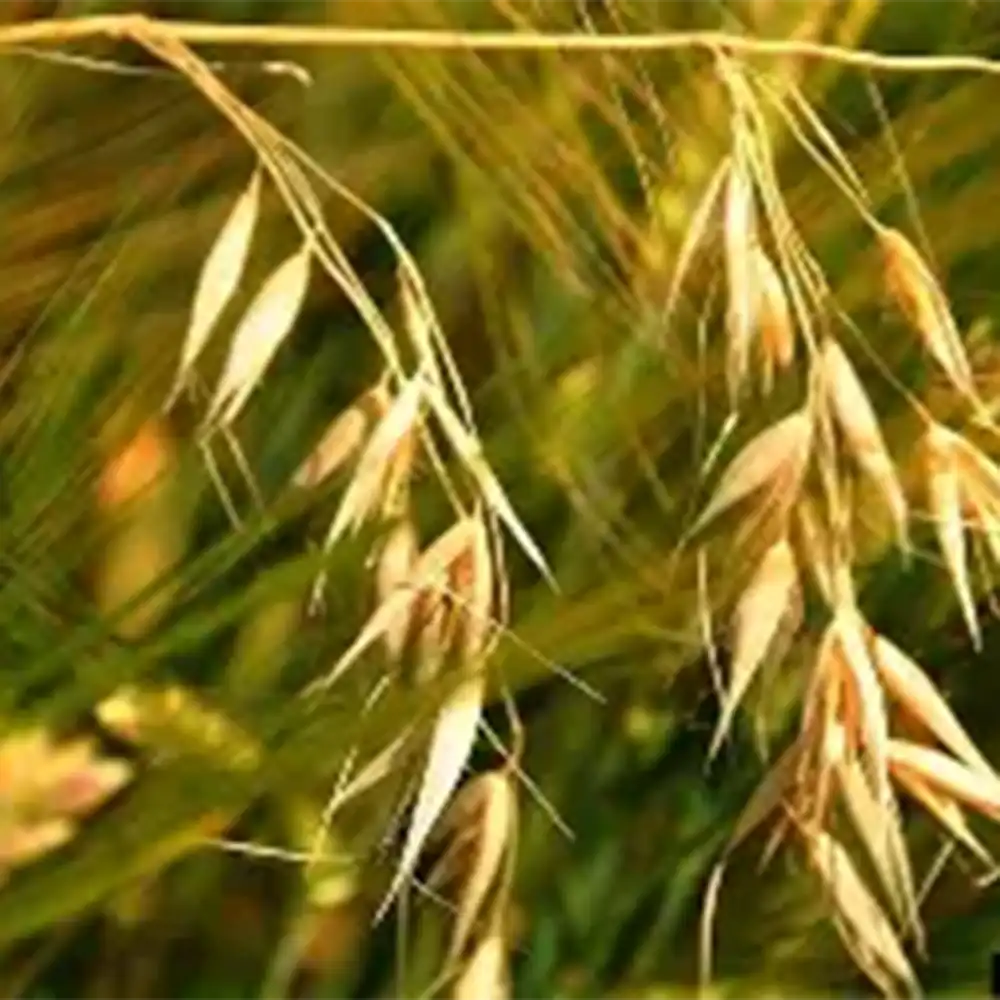
Oats are a valuable grain crop known for their nutritional benefits and wide range of uses. The scientific name for oats is Avena sativa. This cereal grain is commonly used in foods like oatmeal, granola, baked goods, and as feed for livestock. Oats are appreciated for being rich in fiber, especially a type called beta-glucan, which is known to support heart health. In addition to food, oats are sometimes used in skin care products and other natural remedies.
Oats grow best in cool, moist climates and are well-suited for temperate regions. Unlike many other grains, oats prefer cooler growing temperatures and are often planted in early spring or late summer, depending on the region. They thrive in full sunlight and require regular moisture throughout the growing season. Oats grow well in loamy or sandy soils that are rich in organic matter. The ideal soil pH for growing oats is between 6.0 and 7.0, which is slightly acidic to neutral. These conditions help support strong root development and healthy grain production.
Several pests can affect oats during their growth. Common insect pests include aphids, which suck plant sap and can attract other insects or spread plant viruses, and armyworms, which feed on the leaves and stems of oat plants. Other pests such as wireworms, cutworms, and cereal leaf beetles may also feed on the roots, leaves, or shoots. Farmers often use methods such as crop rotation, natural predators, and monitoring tools to keep pest populations under control and protect the crop.
Oats are a highly useful and adaptable crop with many benefits. Their ability to grow in cooler climates and their rich nutritional profile make them a staple on farms around the world. Whether used for food, feed, or other products, oats continue to be an important part of both agriculture and human health.