Mustard Greens
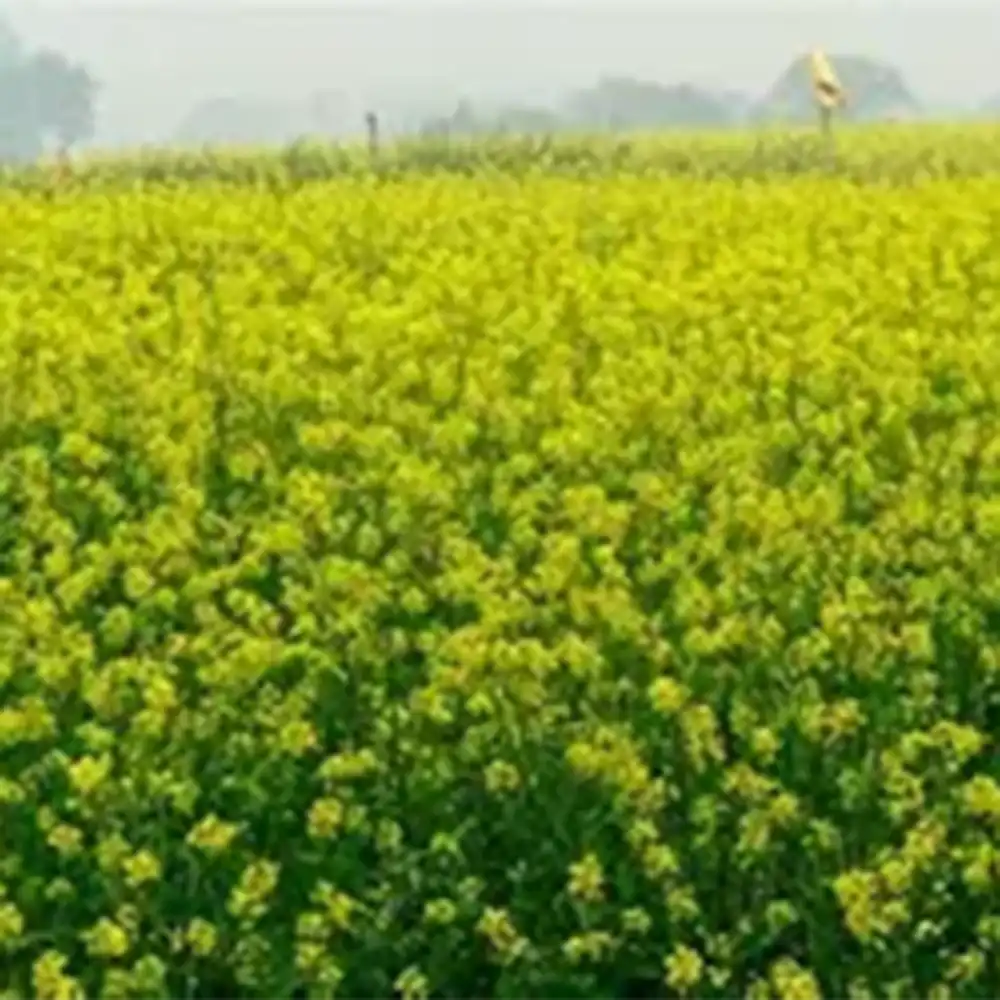
Mustard greens come from the mustard plant, which belongs to the Brassicaceae family—the same family as broccoli, cabbage, and kale. There are several types of mustard plants, including white (or yellow), brown, and black mustard, each producing seeds that vary slightly in flavor and use. Mustard seeds are small, round, and typically used as a spice or ground into powder to make condiments like yellow mustard. They are also valued for their oil and are used in cooking and traditional medicine in many cultures.
Mustard plants are easy to grow and adapt well to a variety of climates, making them a popular crop for both small gardens and large-scale farms. They grow best in cool weather and prefer well-drained, fertile soil with a pH between 6.0 and 7.5. Mustard is often planted in early spring or late summer to avoid hot temperatures, which can slow growth. Seeds are sown directly into the soil and usually germinate within 5 to 10 days. The plant grows quickly and can be ready to harvest in as little as 30 to 40 days for greens and about 90 to 100 days for seeds.
Mustard plants produce broad green leaves and small yellow flowers. These flowers later form seed pods that contain the mustard seeds. When the pods turn brown and dry out, the seeds are ready to be harvested. Mustard is also used as a cover crop to improve soil health, suppress weeds, and reduce pests naturally.
While mustard is a hardy crop, it can still face some pest challenges. Flea beetles are a common pest that may chew small holes in the leaves, especially during the seedling stage. Aphids may also appear on the plant and feed on the sap. In healthy gardens and fields, natural predators like ladybugs help keep these pests under control. Practicing crop rotation and keeping the area weed-free can also help minimize pest pressure.
Mustard seeds are a useful and beneficial crop that offers multiple uses—from culinary seasoning and cooking oil to soil improvement. Their fast growth, adaptability, and nutritional value make them an excellent choice for both new and experienced growers. Whether you're planting a small home garden or managing a farm, mustard is a rewarding and valuable crop to grow.