Kale
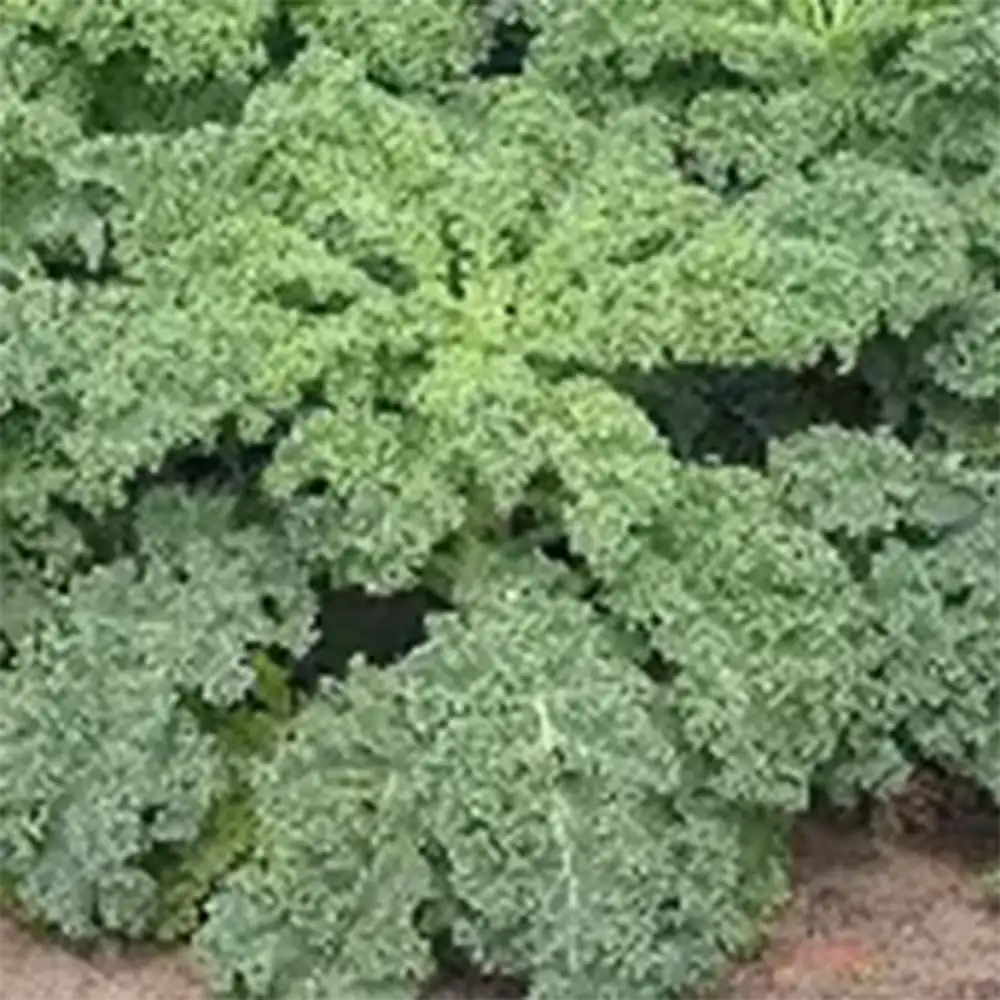
Kale is a leafy green vegetable known for its curly or flat leaves, deep green color, and strong nutritional value. The scientific name for kale is Brassica oleracea (Acephala group). It is a member of the cabbage family and is often used in salads, soups, smoothies, and cooked side dishes. Kale is rich in vitamins A, C, and K, as well as fiber, calcium, and antioxidants, making it a healthy and popular choice for both home gardens and commercial farms.
Kale grows best in cool weather and is well suited for planting in the spring and fall. It prefers temperatures between 55°F and 75°F but can tolerate light frost, which often makes the leaves taste sweeter. Kale grows well in full sun but can also handle partial shade, especially in warmer regions. It prefers moist, well-drained soil that is high in organic matter. The ideal soil pH for kale is between 6.0 and 7.5, which ranges from slightly acidic to neutral. Regular watering is important for even growth and tender leaves.
While kale is a hardy plant, it can be affected by a few common pests. One of the most frequent pests is the cabbage worm, which feeds on the leaves and can cause holes. Aphids may also gather on the undersides of the leaves, feeding on plant sap and attracting other insects. Flea beetles and cutworms are other pests that may damage young plants. To manage these pests, gardeners and farmers often use row covers, rotate crops, and introduce beneficial insects like ladybugs.
Kale is a strong and dependable crop that provides great value in gardens, farms, and kitchens. Its ability to grow in cooler seasons, combined with its rich nutrition and versatile use, makes it a favorite among leafy greens. Whether eaten raw, sautéed, or blended into smoothies, kale remains a healthy and flavorful crop enjoyed by many around the world.