Jujube
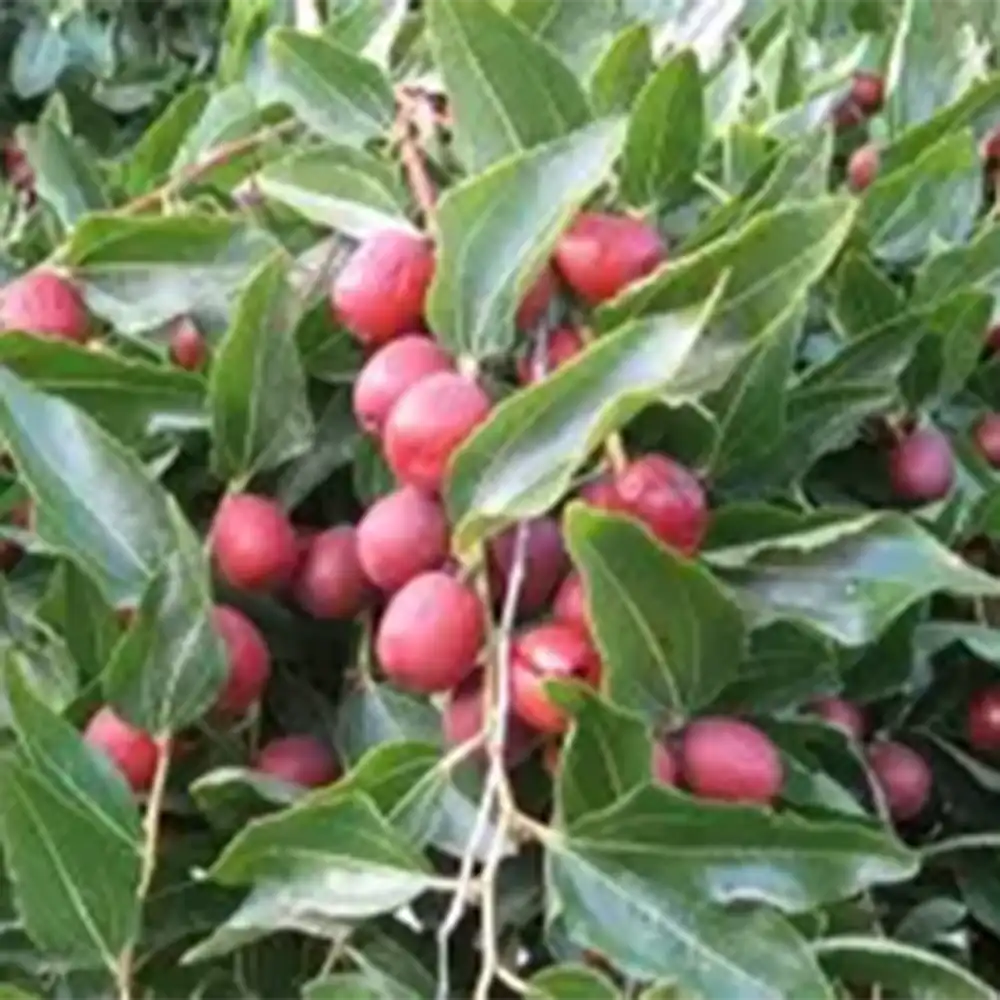
Jujube is a unique and valuable fruit tree known for its small, sweet fruits that look like dates when dried. The scientific name of the jujube tree is Ziziphus jujuba. It is sometimes called the “Chinese date” and is enjoyed fresh, dried, or in teas, candies, and baked goods. Jujube fruits are rich in vitamin C, antioxidants, and fiber, making them both delicious and nutritious.
Jujube trees grow best in warm, sunny climates and are very heat- and drought-tolerant. They thrive in areas with long, hot summers and mild winters. Jujubes require full sun to produce high-quality fruit and are often grown in orchards, gardens, or even as ornamental trees in landscapes. These trees prefer well-drained soil and do not tolerate wet or poorly drained conditions. The ideal soil pH for growing jujube is between 5.5 and 7.8, which includes slightly acidic to slightly alkaline soils. Jujube trees are adaptable to many soil types, including sandy, loamy, and even rocky soils, as long as drainage is good.
While jujube trees are generally strong and low-maintenance, they can face a few pests. One of the main pests is the jujube weevil, which may damage the fruit. Leaf-footed bugs and fruit flies can also affect the fruit by feeding on the skin and pulp. Occasionally, aphids may appear on young shoots and leaves. Gardeners and farmers can manage these pests using proper pruning, encouraging beneficial insects, and monitoring the trees regularly to keep the fruit and foliage healthy.
Jujube is a tough, rewarding crop that offers both beauty and nourishment. Its ability to grow in hot, dry conditions with minimal care makes it a favorite for sustainable fruit production. Whether eaten fresh or dried, jujube fruits are a tasty and healthy choice, and the trees themselves add value and interest to orchards and gardens across warm regions.