Green Bean
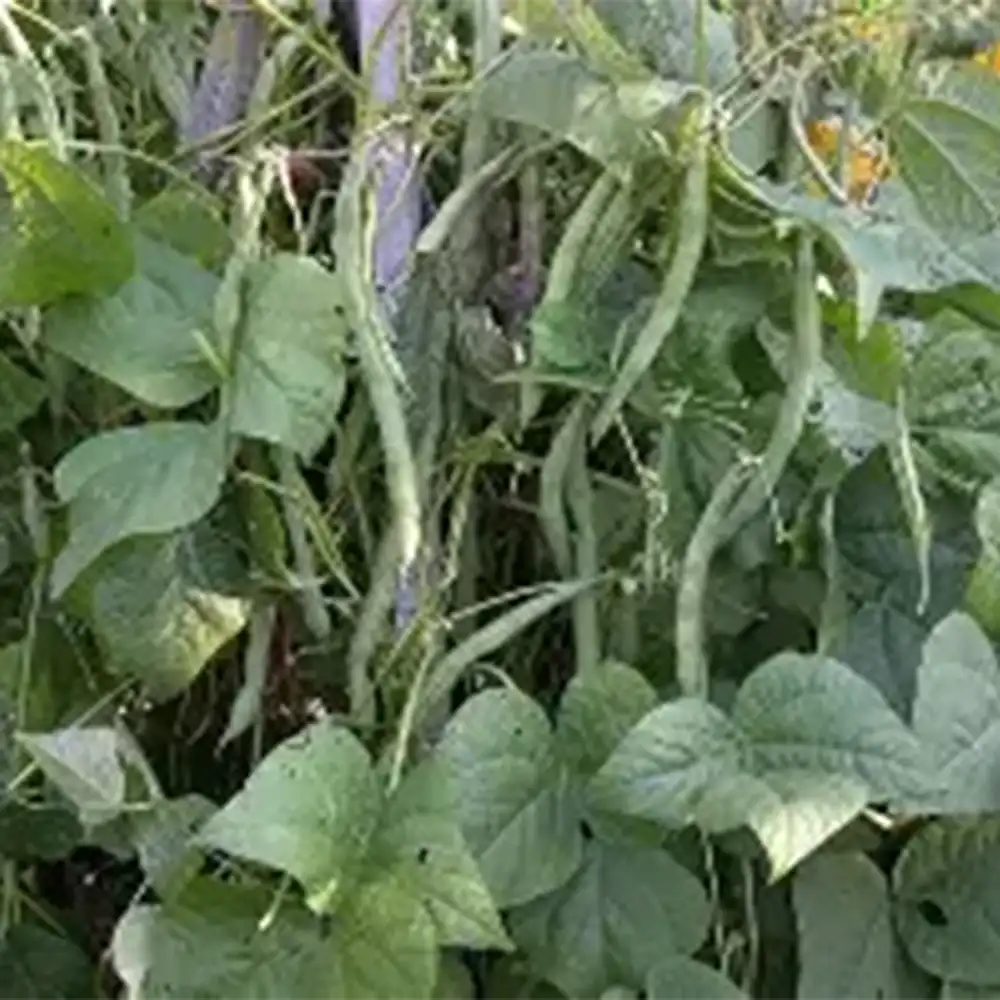
Green beans, also known as string beans or snap beans, are a popular and easy-to-grow vegetable enjoyed by gardeners and cooks alike. With their crisp texture, fresh flavor, and nutritional value, green beans are a staple in many gardens and kitchens. For someone unfamiliar with this crop, green beans are an excellent starting point due to their relatively low maintenance and quick harvest time.
Green beans are part of the legume family and come in two main types: bush beans and pole beans. Bush beans grow in compact, bushy shapes and don’t require support, while pole beans grow as vines and need a trellis or structure to climb. Both types are productive and delicious, and the choice depends on how much garden space you have.
Planting green beans is simple. They thrive in warm soil, so it’s best to wait until after the last frost of spring to sow seeds directly into the ground. Choose a sunny location where the plants will get at least 6 to 8 hours of sunlight each day. The ideal soil should be well-drained, loose, and rich in organic matter, with a pH between 6.0 and 7.5. Plant seeds about 1 inch deep and 2 to 4 inches apart, with rows spaced about 18 inches apart.
Watering is key to successful green bean growth. Keep the soil consistently moist, but not soggy, and water at the base of the plant to avoid wetting the leaves. This helps support strong, healthy plants.
Green beans may occasionally face a few garden pests, including aphids, bean beetles, and cutworms. Keeping the garden clean and rotating crops each season helps reduce pest pressure. Natural pest control methods, such as attracting beneficial insects or using organic sprays, can help protect the plants.
Harvesting green beans is easy and satisfying. Pick the pods when they’re firm and crisp, usually when they reach 4 to 6 inches in length. Regular harvesting encourages the plant to produce more pods. With just a bit of care and attention, green beans can provide a bountiful and rewarding harvest for any gardener.