Grain Sorghum
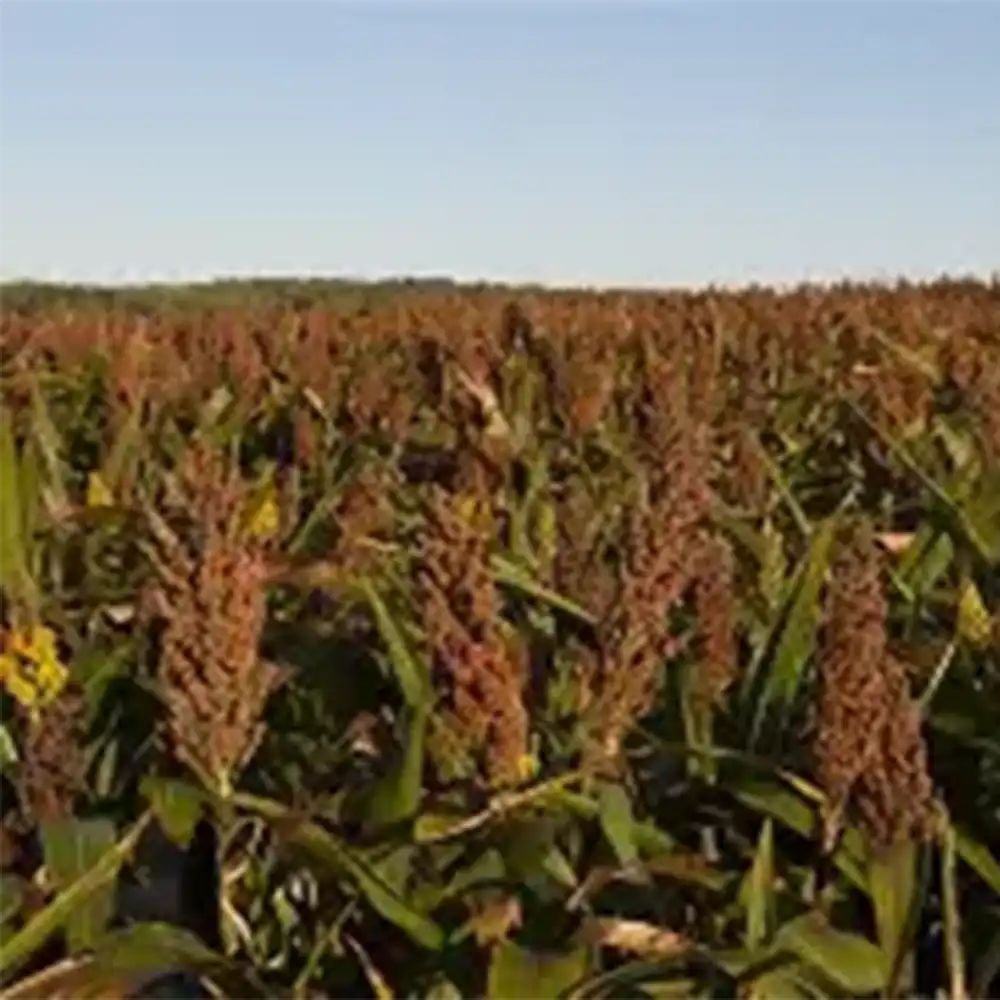
Grain sorghum, also known simply as sorghum or milo, is a versatile and hardy cereal grain grown across the world, especially in drier regions. It is a valuable crop used for food, livestock feed, and biofuel. For those unfamiliar, sorghum may look similar to corn, but it grows in a more compact form with tight seed heads at the top of the plant. Its ability to thrive in challenging environments has made it a reliable choice for farmers across Texas and other semi-arid regions.
Growing grain sorghum is relatively straightforward, and it’s a great crop for areas that receive less rainfall. Sorghum thrives in warm temperatures and requires full sunlight to grow effectively. It performs best in well-drained soils with a pH between 5.5 and 7.5. While it is drought-tolerant, sorghum still benefits from consistent moisture, especially during the flowering and grain-filling stages. Farmers usually plant sorghum in late spring after the risk of frost has passed, and it typically takes about 90 to 120 days to mature, depending on the variety and local climate conditions.
Although grain sorghum is resilient, it can still face pressure from a variety of pests. Some of the most common pests include the sugarcane aphid, sorghum midge, and fall armyworm. These pests can affect yield if not managed, so farmers often use scouting and integrated pest management strategies to monitor and protect their fields.
Grain sorghum is an efficient and reliable crop that plays an important role in agriculture. Whether it's being used to feed livestock, fuel vehicles, or feed people, sorghum’s ability to grow in tough conditions makes it an excellent crop to learn about and appreciate. Its hardiness, adaptability, and multiple uses make it an important part of the global food system.