Cotton
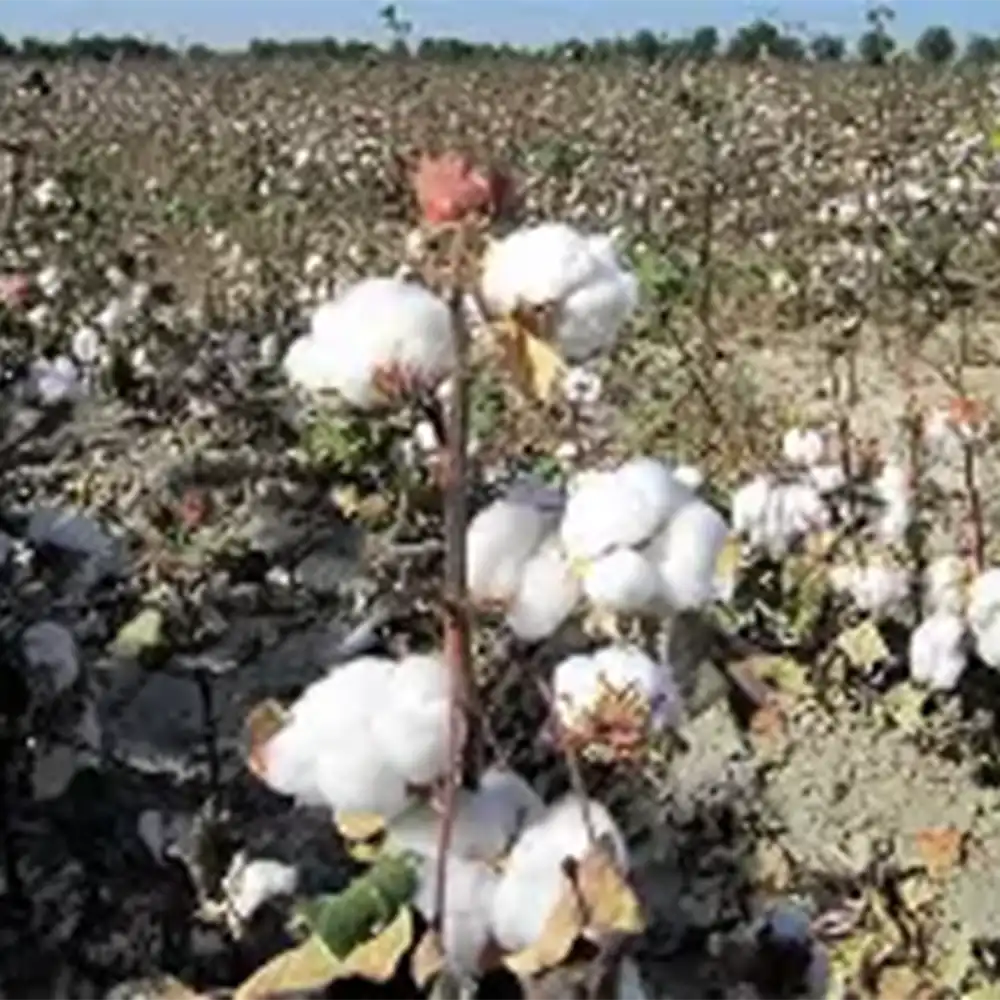
Cotton is one of the most widely grown and useful crops in the world, especially valued for its soft, breathable fibers that are spun into fabric. It comes from the cotton plant, part of the Gossypium genus, which thrives in warm, sunny climates. Cotton plays an important role in the clothing, home goods, and even food industries, and has been a part of human agriculture for thousands of years.
Growing cotton successfully requires the right conditions and care. Cotton prefers full sun and needs at least 6 to 8 hours of direct sunlight daily. It grows best in well-drained, loamy soil with a pH between 5.8 and 8.0, though it thrives around neutral (pH 6.5 to 7.5). Cotton is drought-tolerant once established but still requires consistent watering, especially during germination and flowering. Overwatering should be avoided, as soggy soil can lead to root issues. Typically, cotton is planted in the spring after the danger of frost has passed and harvested in the fall when the bolls have fully opened.
Like many crops, cotton faces challenges from pests. One of the most well-known is the boll weevil, a small beetle that feeds on cotton buds and flowers. Other common pests include aphids, whiteflies, thrips, and cotton bollworms. Farmers often manage these threats using integrated pest management (IPM), which can include crop rotation, beneficial insects, and targeted pesticide use when needed.
After cotton is harvested, the fibers are separated from the seeds at a cotton gin. The cleaned fibers are then processed into yarn and eventually woven into fabric. The seeds are also valuable and can be turned into cottonseed oil or animal feed.
Overall, cotton is a strong and sustainable crop that supports a wide range of industries. Learning how to grow it and care for it properly not only helps farmers but also helps us understand where many of our everyday items come from.