Corn
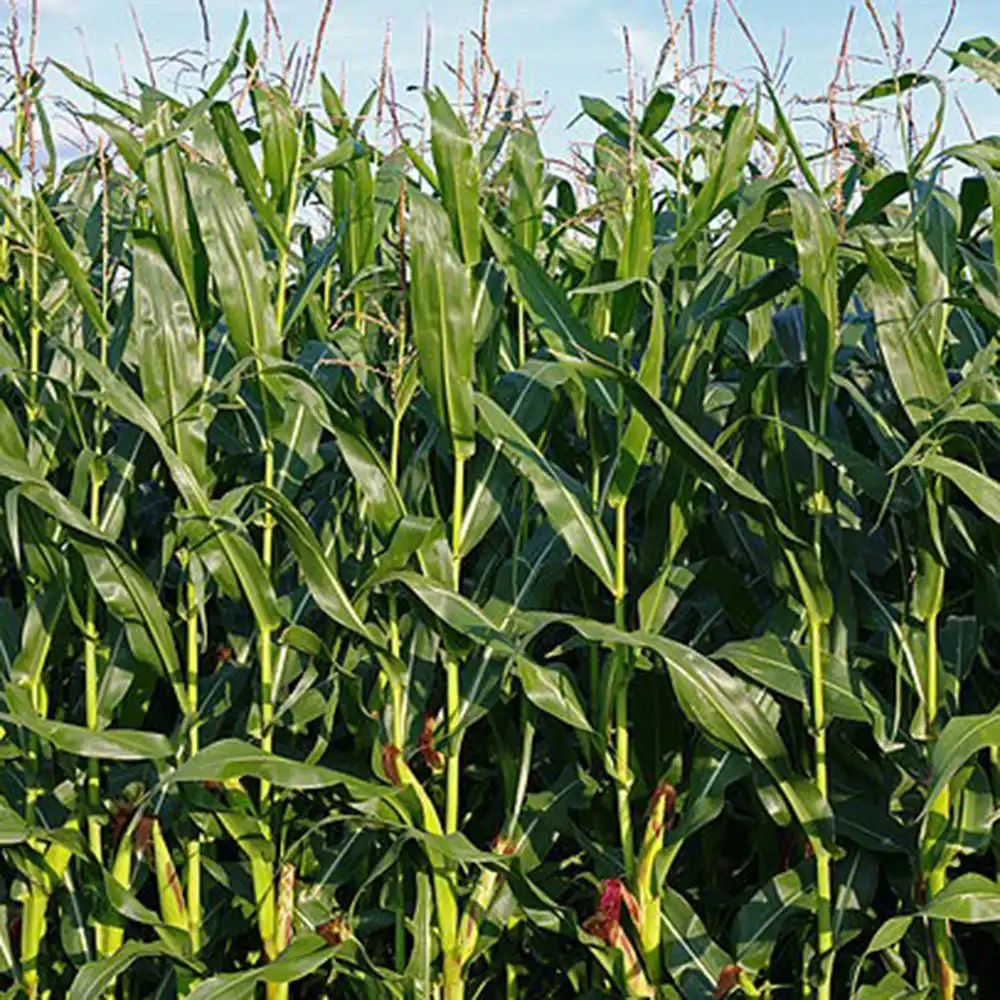
When most people think of corn, they imagine a buttery ear served at a summer barbecue or perhaps popcorn at the movie theater. While those are common ways we enjoy it, corn is much more than just a side dish—it's one of the most important crops in the world. Known scientifically as Zea mays, corn is a type of grass that has been cultivated by humans for thousands of years. Originally domesticated in what is now Mexico, corn has evolved through selective breeding to become one of the most versatile crops grown today.
Corn is grown primarily for three purposes: food, feed, and fuel. In the food world, corn can be eaten fresh, canned, or frozen, but it's also a key ingredient in many processed foods. Corn syrup, cornmeal, cornstarch, and even tortillas and cereal all come from this single plant. In terms of feed, corn is a staple for livestock like cows, pigs, and chickens, helping to support the global meat and dairy industries. One of corn's lesser-known uses is in the production of ethanol, a biofuel added to gasoline to reduce emissions and our dependence on oil.
The plant itself is fairly easy to grow in the right conditions. It requires warm temperatures, full sun, and well-drained soil. Farmers usually plant corn in rows, and the plants grow tall—often reaching six to ten feet high. Corn grows a main stalk and produces ears, each wrapped in layers of husks and topped with silky threads that help with pollination.
Despite its many benefits, corn also faces challenges. Pests like corn borers and diseases such as smut can damage crops. Additionally, growing large amounts of corn can lead to soil depletion, so farmers must use careful crop rotation and soil management techniques. In recent years, genetically modified (GMO) varieties of corn have become common, helping the plant resist pests and tolerate herbicides.
Corn is much more than meets the eye. It fuels our bodies, feeds our animals, powers our vehicles, and even plays a role in global economics. Understanding this crop gives us insight into how interconnected our food systems really are—and just how much we rely on plants like corn every day.