collards
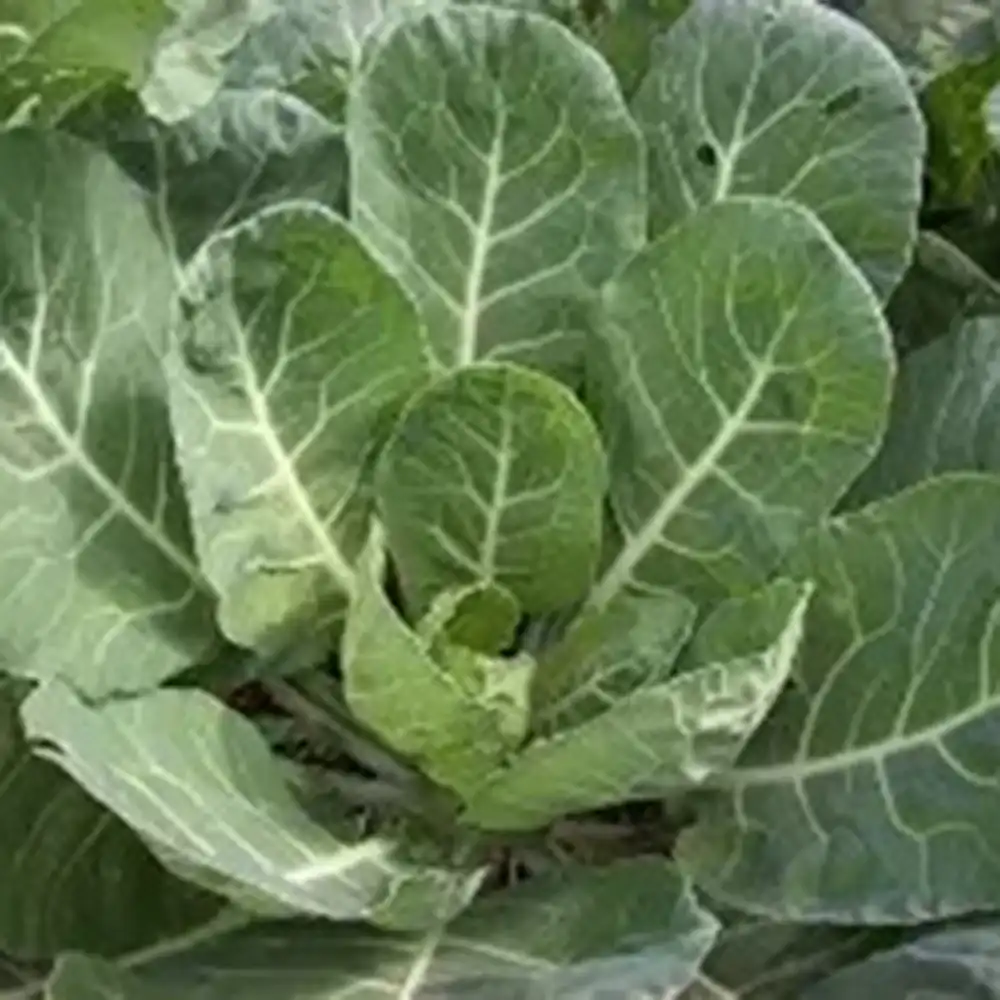
Collards are a leafy green vegetable prized for their large, broad leaves and rich flavor, especially when cooked. The scientific name for collards is Brassica oleracea (Acephala group), making them a close relative of kale, cabbage, and broccoli. Collards are a staple in many kitchens, especially in the southern United States, and are valued for their high nutritional content. They are an excellent source of vitamins A, C, and K, calcium, fiber, and antioxidants.
Collards grow best in cool weather and are most productive when planted in early spring or late summer for a fall harvest. They can tolerate light frost and actually develop a sweeter taste when exposed to cooler temperatures. Collards prefer full sun but can also grow in partial shade, especially in hotter climates. They thrive in fertile, well-drained soils rich in organic matter. The ideal soil pH for growing collards is between 6.0 and 6.8, which is slightly acidic to near neutral. Regular watering helps maintain steady growth and prevents the leaves from becoming tough.
Like many leafy greens, collards can be affected by a few common pests. Cabbage loopers and cabbage worms are common insects that chew holes in the leaves. Aphids may cluster on stems and leaf undersides, feeding on plant sap and attracting ants. Other pests include flea beetles and cutworms, which may damage young seedlings. Farmers and gardeners manage these pests using row covers, natural predators such as ladybugs, and crop rotation to maintain healthy plants.
Collards are a reliable, nutritious, and easy-to-grow vegetable that adds flavor and value to any garden or farm. Their ability to thrive in cooler temperatures and their high yield of leafy greens make them a favorite among growers. Whether simmered in a pot, added to soups, or sautéed with seasoning, collards are a delicious and healthy choice for meals throughout the year.