carrot
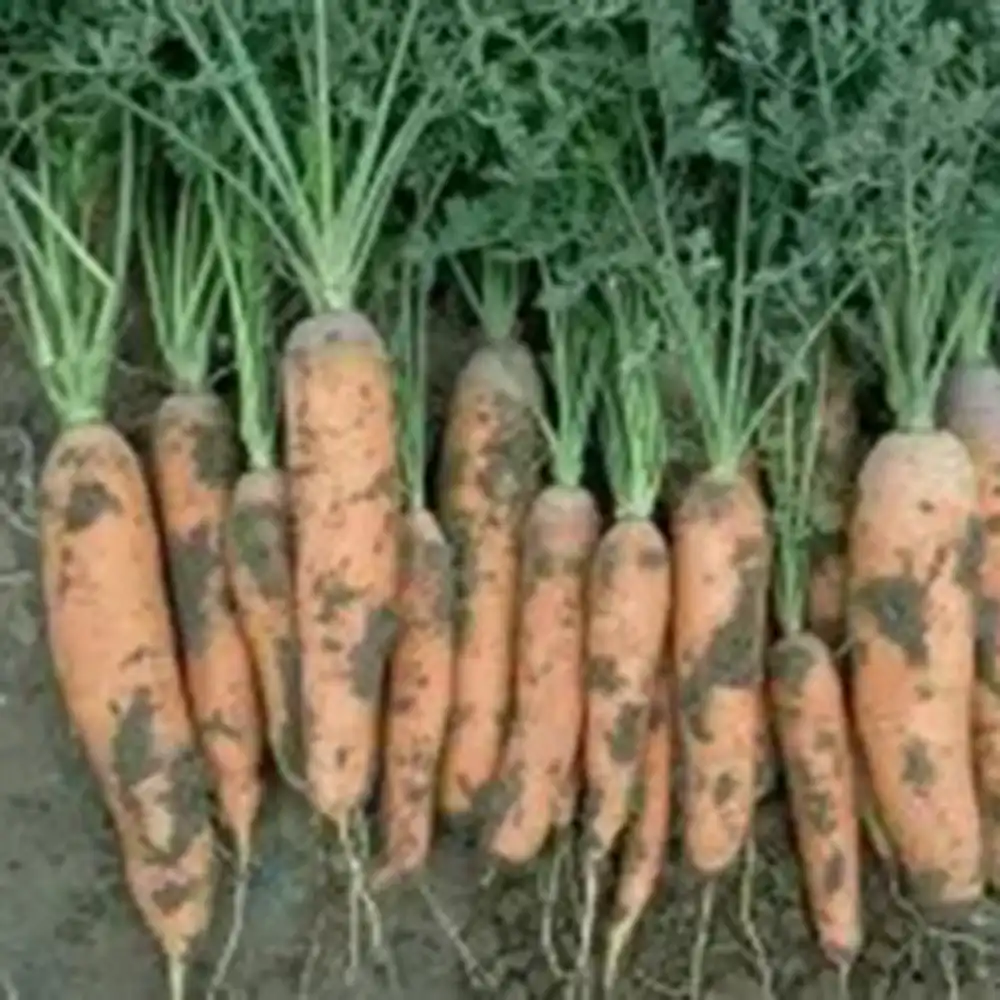
The carrot (Daucus carota subsp. sativus) is a popular root vegetable known for its sweet flavor, crunchy texture, and bright orange color. Carrots are an excellent source of vitamin A, which supports healthy vision, skin, and the immune system. They also provide dietary fiber, antioxidants, and other important nutrients. Carrots can be eaten raw as a snack, added to salads, roasted, juiced, or used in a wide variety of cooked dishes.
Carrots grow underground as a taproot and have delicate, feathery green leaves above the surface. They thrive in cool weather and grow best when temperatures range from 60 to 70 degrees Fahrenheit. Carrots prefer full sun and require deep, loose, and well-drained soil to grow properly. Soil should be free of rocks and clumps so that the roots can develop straight and smooth. A sandy or loamy soil with a slightly acidic to neutral pH (between 6.0 and 6.8) is ideal. Carrot seeds are small and are usually planted directly in the ground, spaced evenly in rows. It’s important to keep the soil moist during germination, which may take up to two weeks.
Carrots are a fairly low-maintenance crop, but they can face some pests that gardeners and farmers should watch for. One common insect is the carrot rust fly, whose larvae feed on the roots, causing small tunnels. Another pest is the aphid, which can appear on the foliage and reduce plant vigor. Good garden hygiene, crop rotation, and using row covers can help prevent pest issues. Additionally, beneficial insects like ladybugs and lacewings help naturally control pest populations.
Carrots are usually ready to harvest about 70 to 80 days after planting, depending on the variety. They can be pulled from the ground once they have reached the desired size and color. Carrots store well when kept cool and moist, making them an excellent vegetable to enjoy long after harvest.
Carrots are a rewarding and nutritious crop that is well-suited to home gardens and commercial farms alike. Their ease of use, long storage life, and health benefits make them a favorite for growers and consumers around the world.