Blueberry
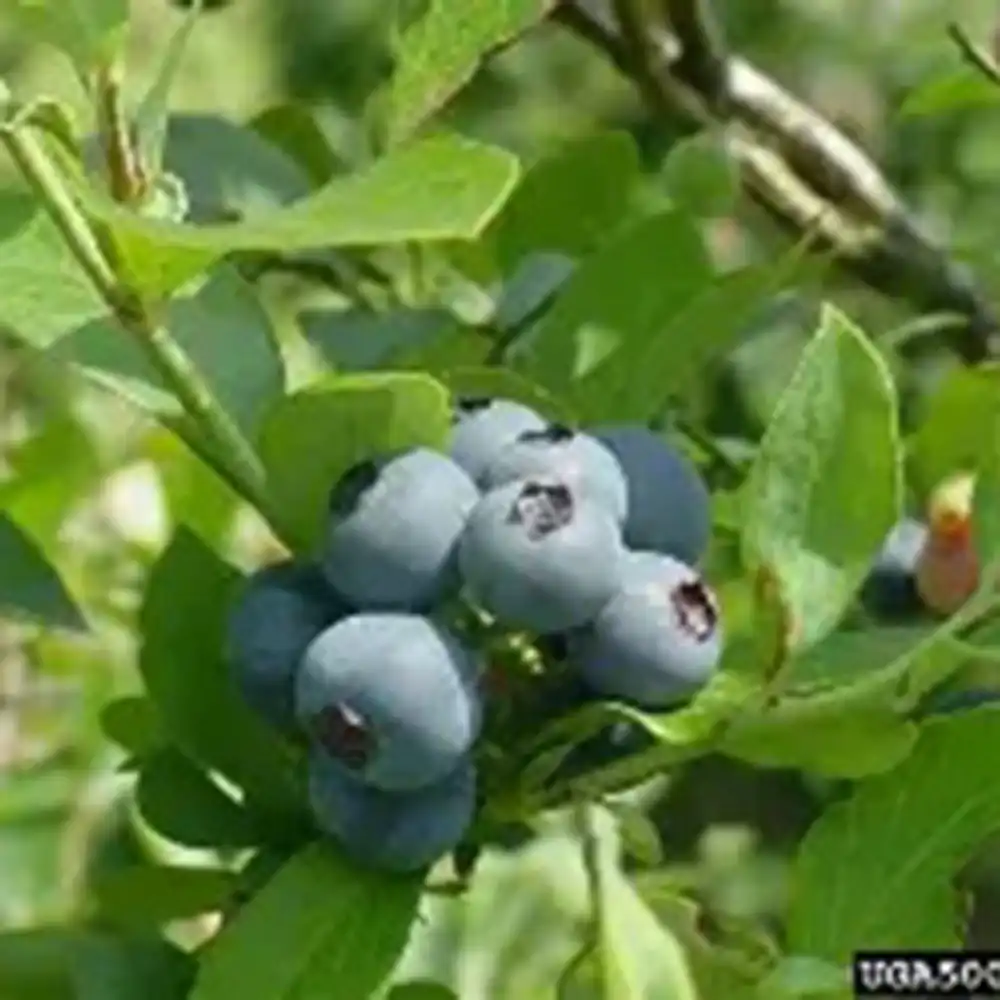
Blueberries are a popular fruit known for their sweet flavor, beautiful blue color, and many health benefits. They are rich in antioxidants, especially vitamin C and anthocyanins, which are thought to support heart health and brain function. Blueberries can be enjoyed fresh, baked into muffins and pies, blended into smoothies, or preserved as jams and jellies. These berries grow on shrubs that are both attractive and productive, making them an excellent addition to home gardens and commercial farms alike.
Blueberries grow best in full sun and in soil that is well-drained, high in organic matter, and very acidic. The ideal soil pH for blueberries is between 4.5 and 5.5, which is lower than most other crops. If soil conditions aren't naturally acidic, they can be adjusted by incorporating materials like sulfur or by using acidic mulches like pine needles. Blueberries also need consistent moisture, especially during the fruiting season, so regular watering is important. However, the soil should not be soggy, as this can harm the roots.
There are several types of blueberry plants, but the two most common are highbush and rabbiteye. Highbush blueberries are often grown in cooler climates, while rabbiteye varieties are more suited to warmer southern regions. Blueberries should be spaced about 4 to 6 feet apart depending on the variety, and they typically begin producing fruit in their second or third year. While they require some patience early on, blueberry bushes can live and produce fruit for many years with proper care.
Pruning is important to keep the plants healthy and productive. It helps increase sunlight penetration and airflow, both of which improve fruit quality and reduce the risk of disease. Blueberries benefit from mulching to conserve moisture, suppress weeds, and maintain soil acidity. Fertilizers designed specifically for acid-loving plants can be used to provide necessary nutrients.
Like all crops, blueberries can be affected by pests. Common pests include blueberry maggots, aphids, and birds. Birds, in particular, love ripe blueberries and may need to be deterred using netting or other protective methods. Despite these potential challenges, blueberries are generally easy to grow with the right conditions and care.
Harvest season for blueberries typically begins in late spring or summer, depending on the location and variety. Berries are ready to pick when they turn a deep blue and easily come off the bush. With proper planting and maintenance, blueberry bushes can provide fresh, tasty fruit year after year, making them a rewarding crop for anyone looking to grow their own food.