Bell pepper
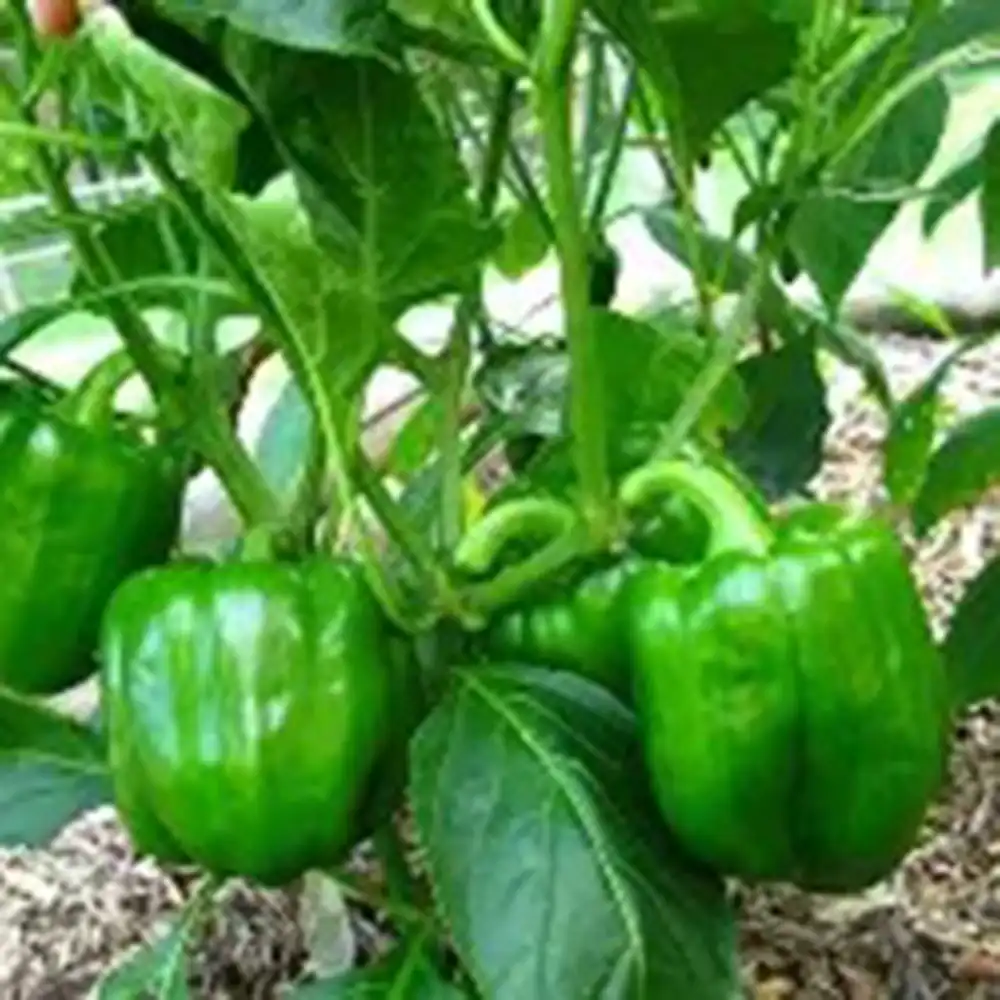
Bell pepper is a popular vegetable known for its bright colors, sweet flavor, and crunchy texture. The scientific name of bell pepper is Capsicum annuum. Unlike some other peppers, bell peppers are not spicy, making them a favorite in salads, stir-fries, and many cooked dishes. They come in a variety of colors, including green, red, yellow, and orange, each with a slightly different taste and nutritional profile. Bell peppers are rich in vitamins A and C, antioxidants, and fiber, making them both tasty and healthy.
Bell peppers grow best in warm weather with plenty of sunlight. They require a frost-free growing season of about 60 to 90 days. These plants prefer temperatures between 70°F and 85°F during the day and slightly cooler nights. Bell peppers need well-drained, fertile soil that is rich in organic matter. The ideal soil pH for growing bell peppers ranges from 6.0 to 6.8, which is slightly acidic to neutral. Consistent watering is important, especially during flowering and fruit development, but overwatering should be avoided to prevent root problems.
While bell peppers are generally easy to grow, they can face several pests. Common pests include aphids, which feed on the sap and can cause leaves to curl and weaken the plant. Another pest is the pepper weevil, which damages the fruit by laying eggs inside it. Spider mites and thrips may also feed on the leaves, causing discoloration and reducing plant vigor. Farmers and gardeners often manage these pests through natural predators, insecticidal soaps, and careful monitoring to maintain healthy plants and quality fruit.
Bell peppers are a versatile and rewarding crop for gardeners and farmers alike. Their ability to grow in warm climates and provide colorful, nutritious fruits makes them a popular choice worldwide. Whether eaten raw, cooked, or stuffed, bell peppers add flavor, nutrition, and vibrant color to meals, making them a valuable addition to any diet.