Barley
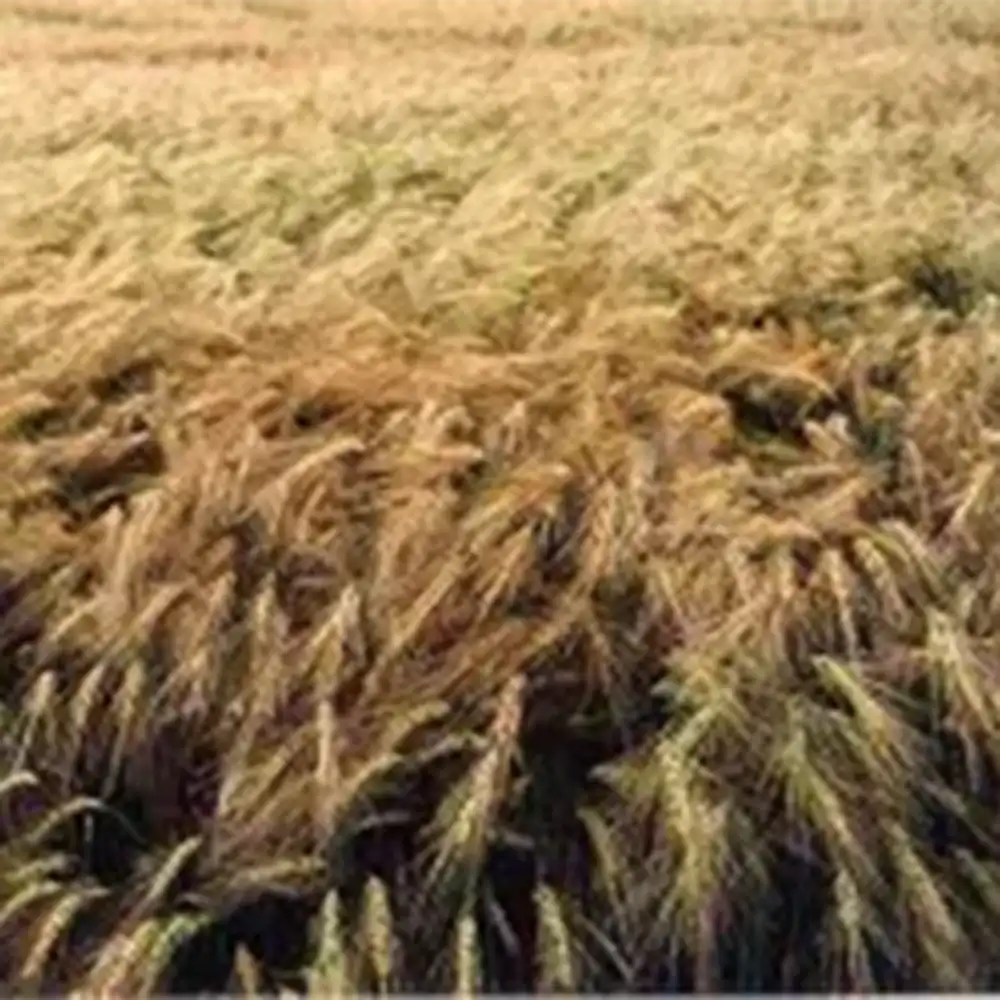
Barley is a widely grown cereal grain that plays an important role in both food and agriculture. Its scientific name is Hordeum vulgare. Barley has been cultivated for thousands of years and is used for a variety of purposes, including animal feed, human food, and the production of malt for brewing. This versatile crop is known for its ability to grow in different climates and for its short growing season, making it a reliable choice for many farmers around the world.
Barley grows best in cooler climates and is well-suited to regions with short, mild growing seasons. It can be planted in either the spring or fall, depending on the variety and local conditions. Barley prefers full sun and performs well in light to medium-textured soils. The ideal soil pH for growing barley is between 6.0 and 7.5, which is slightly acidic to neutral. Barley does not require as much water as some other grains and is considered fairly drought-tolerant. This makes it a good option in areas where rainfall is limited. Proper drainage is also important to prevent water from sitting around the roots.
Even though barley is a hardy crop, it can still face pressure from certain pests. Some of the most common pests include aphids, which feed on plant sap and can attract other insects, and the armyworm, which feeds on leaves and can reduce crop health if not managed. Other pests such as wireworms, cutworms, and cereal leaf beetles may also be present, feeding on different parts of the plant. Farmers often use crop rotation, natural insect predators, and pest monitoring to manage these issues and ensure a healthy harvest.
Barley is a strong, dependable crop that has many uses and benefits. Its ability to grow in a variety of environments, along with its importance in food, feed, and brewing, makes it one of the most valuable grains in the world. Whether in a bowl of soup, a bag of livestock feed, or a glass of malted beverage, barley continues to be a major part of agriculture and daily life.