banana
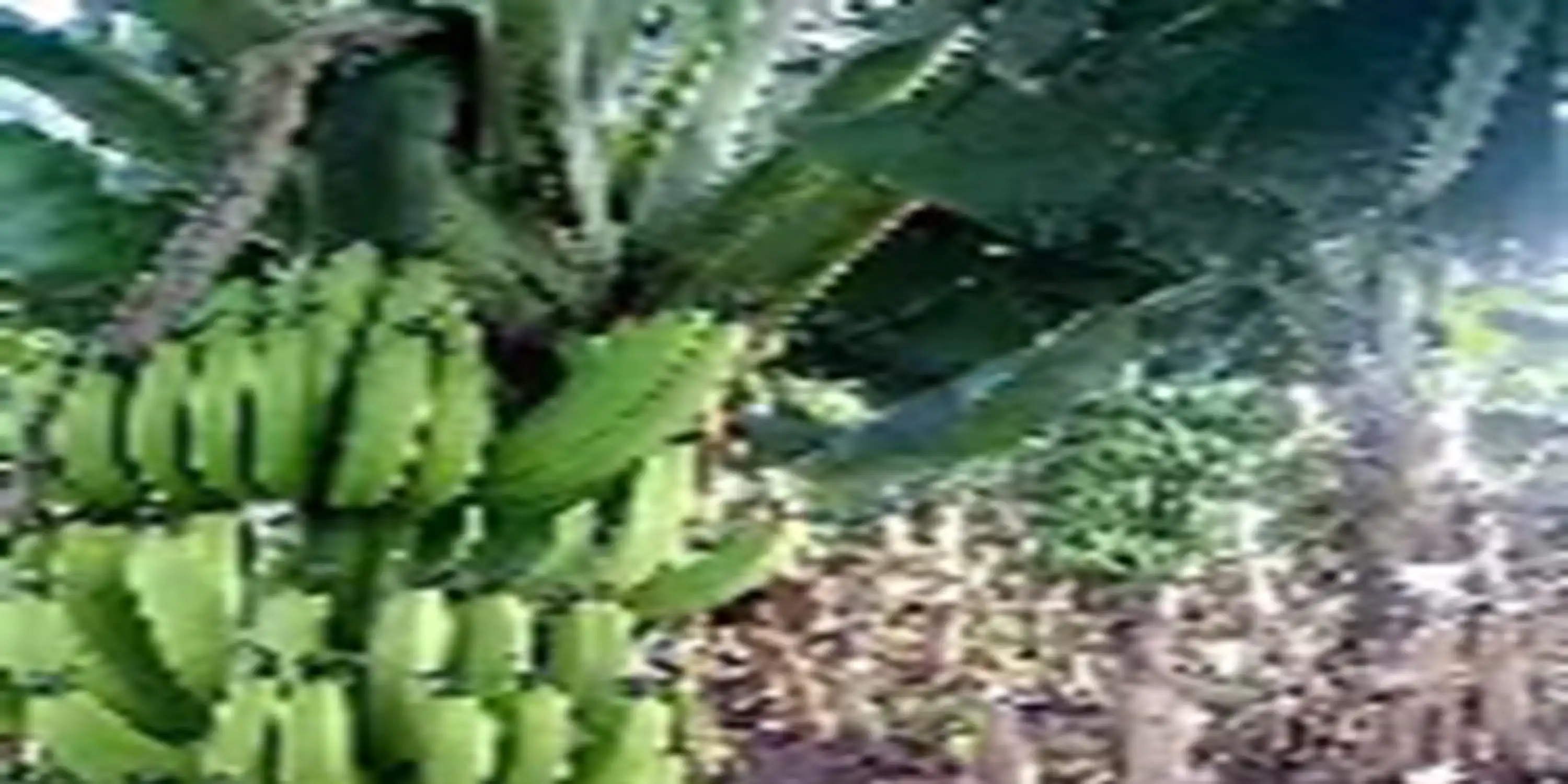
The banana is one of the most widely recognized and enjoyed tropical fruits in the world. Known for its sweet flavor and soft texture, it is eaten fresh or used in a variety of dishes ranging from desserts to smoothies. The scientific name for the common banana is Musa acuminata, although many cultivated bananas are hybrids between Musa acuminata and Musa balbisiana. Bananas are also valued as a source of fiber, vitamins, and energy, making them an important crop for both commercial production and home gardens in tropical and subtropical regions.
Bananas grow best in warm, humid climates where temperatures range between 75°F and 95°F. They require full sun and protection from strong winds, as their large leaves are delicate. Consistent water is essential, since bananas thrive in moist but well-drained soils. They grow well in loamy soils that are high in organic matter, which helps retain moisture while still allowing air to reach the roots. The ideal soil pH for banana cultivation is between 5.5 and 7.0, slightly acidic to neutral, which supports strong root growth and nutrient absorption. Bananas are unique because they grow from underground rhizomes, and after one plant produces fruit, new shoots called suckers emerge to continue the cycle.
Banana plants, while hardy in the right conditions, can face a few pests. Nematodes, microscopic worms that live in the soil, can attack banana roots, reducing plant vigor. The banana weevil is another pest that bores into the plant’s stem, weakening its structure. Aphids may also appear on leaves and young shoots, where they feed on plant sap. In some regions, fruit flies can be attracted to ripe bananas, though they mostly affect harvested fruit. These pests are often managed with good cultural practices, such as maintaining clean fields, rotating planting areas, and encouraging beneficial organisms that help control insect populations.
Bananas are a resilient and productive crop that provide beauty and nutrition. Their large green leaves and tall growth make them a striking plant, while their sweet fruit continues to be a staple in diets around the world. With the right climate, soil, and care, banana plants thrive and offer continuous harvests, making them one of the most valuable tropical crops.