Asparagus
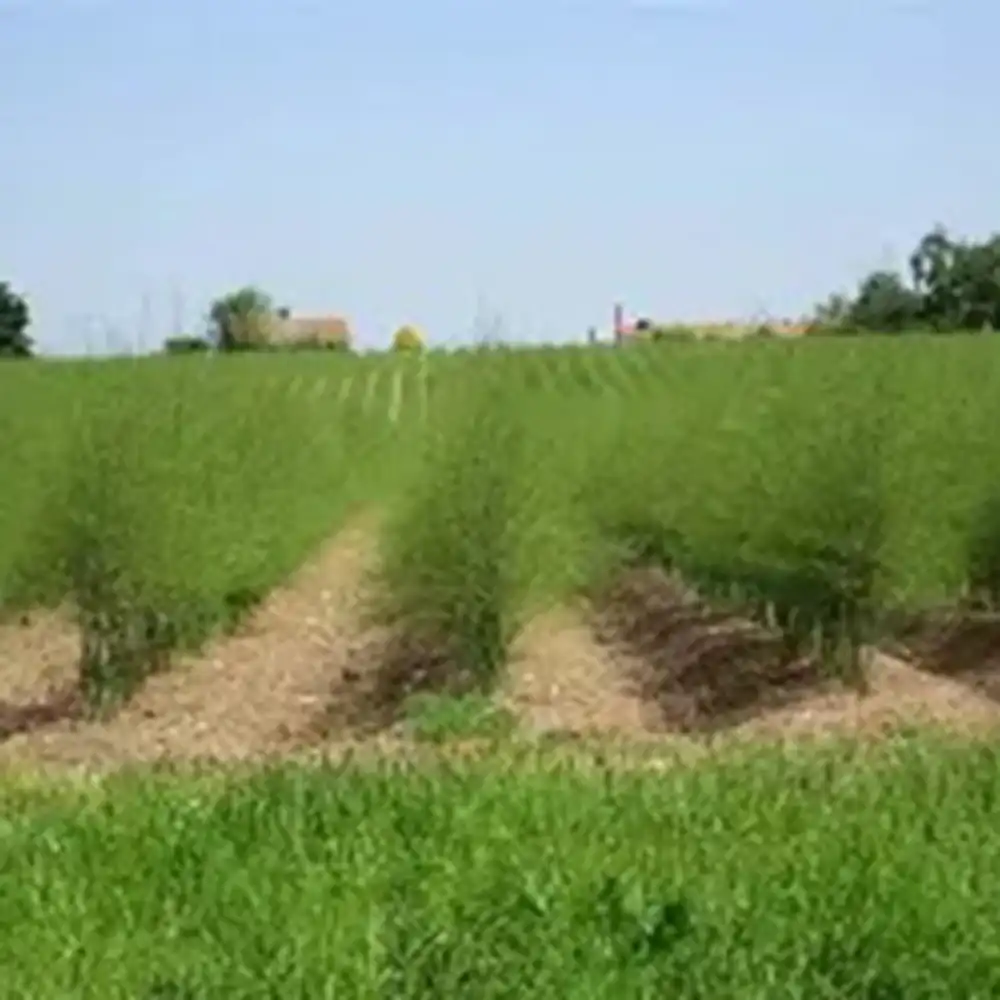
Asparagus is a perennial vegetable prized for its tender, spear-like shoots that emerge each spring. The scientific name for asparagus is Asparagus officinalis. It has been enjoyed as a flavorful and nutritious food for centuries, valued for its unique taste and versatility in cooking. Asparagus is often roasted, grilled, steamed, or added to salads and soups, making it a favorite vegetable in many cuisines. Its perennial nature allows it to produce year after year once established, making it a rewarding crop for both home gardeners and commercial growers.
Asparagus grows best in temperate climates where winters are cold enough to allow the plants a period of dormancy. It thrives in full sun, requiring at least six to eight hours of sunlight daily. The soil should be deep, loose, and well-drained to allow the roots, known as crowns, to spread and develop properly. Sandy loam soils are particularly ideal for this crop. Asparagus also prefers soil that is rich in organic matter to support long-term growth. The optimal soil pH for asparagus is between 6.5 and 7.5, which is slightly acidic to neutral. Once planted, asparagus can remain productive in the same spot for 15 years or more with proper care.
Although asparagus is hardy, it may occasionally face pests in the garden. One of the most common is the asparagus beetle, which feeds on the spears and fern-like foliage. Aphids may also appear, sucking sap from tender growth and reducing vigor. Cutworms and armyworms can sometimes feed on young shoots, while slugs and snails may be attracted to tender spears in damp conditions. Many of these pests can be managed with natural methods such as hand-picking, encouraging beneficial insects, or maintaining clean garden beds to reduce hiding spots.
Asparagus is a valuable and enduring crop that offers both flavor and longevity. With proper planting, soil preparation, and care, this vegetable can provide abundant harvests each spring. Its resilience, productivity, and culinary versatility make asparagus an excellent choice for gardeners and farmers alike, ensuring it remains a popular crop around the world.