Arugula
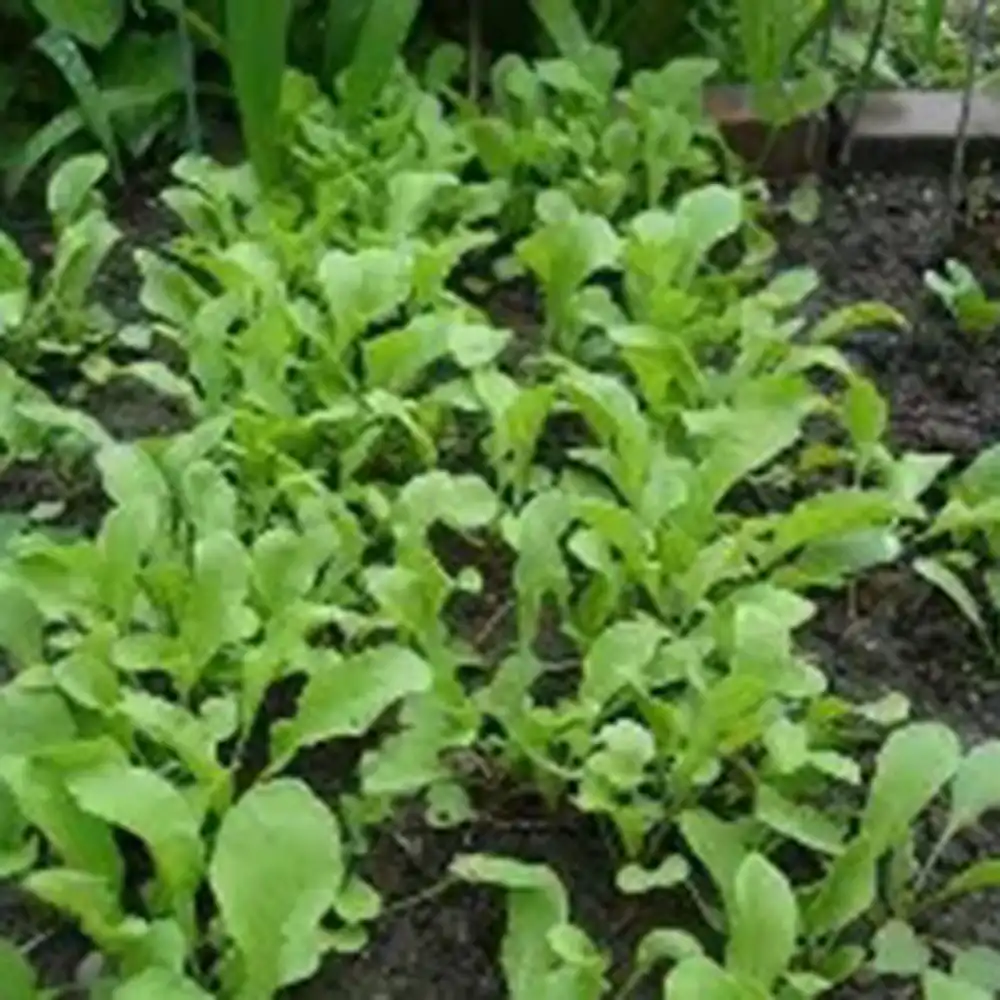
Arugula is a leafy green vegetable known for its distinctive peppery flavor and tender texture. Its scientific name is Eruca vesicaria. This leafy green is often used fresh in salads, sandwiches, and as a garnish, adding a spicy zest to many dishes. Arugula is also appreciated for its nutritional benefits, including being a good source of vitamins A, C, and K, as well as minerals like calcium and potassium.
Arugula grows best in cool weather, making it an ideal crop for spring and fall planting. It prefers temperatures between 45°F and 65°F and can tolerate light frost. Arugula thrives in full sun but can also grow in partial shade, especially in warmer climates to avoid excessive heat that causes the leaves to become bitter. The plant grows well in loose, fertile, and well-drained soils. The ideal soil pH for arugula is between 6.0 and 7.0, which is slightly acidic to neutral. Consistent moisture is important to maintain tender, flavorful leaves, but the soil should not be waterlogged.
Arugula may face several common pests during its growth. One of the most frequent pests is the flea beetle, which creates small holes in the leaves. Aphids can also be a problem, as they suck sap from the leaves and stems, potentially spreading plant diseases. Additionally, caterpillars such as the cabbage looper may feed on the foliage. To manage these pests, farmers and gardeners often use row covers, encourage beneficial insects, and practice crop rotation to maintain healthy plants.
Arugula is a quick-growing, flavorful crop that adds a spicy touch to meals and offers valuable nutrients. Its ability to thrive in cooler seasons and grow well in many soil types makes it a popular choice for both home gardens and commercial growers. Whether fresh in a salad or as part of a cooked dish, arugula continues to be a favorite leafy green for its taste and health benefits.