Alfalfa
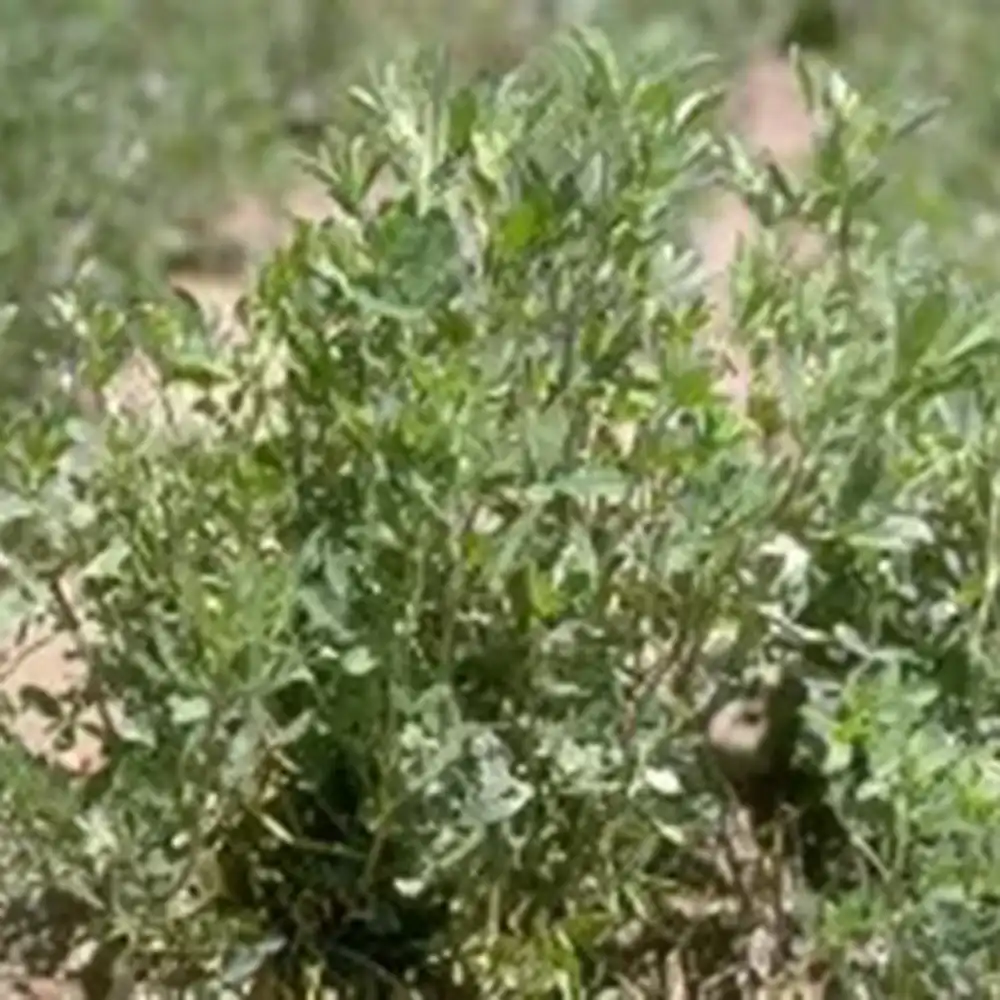
Alfalfa, often called the “Queen of Forages,” is a highly valuable crop grown primarily for animal feed. It’s a member of the legume family and is known for its rich nutritional value, especially its high protein content, which makes it ideal for feeding livestock like cattle, horses, and sheep. Alfalfa is widely grown in the United States and around the world because of its versatility, productivity, and ability to enrich soil through nitrogen fixation.
Growing alfalfa requires careful planning and the right conditions. This crop grows best in well-drained soils with a neutral pH between 6.5 and 7.5. Before planting, it’s important to prepare the soil properly by removing weeds and ensuring that the soil is level. Alfalfa is usually planted in early spring or late summer, depending on the climate. Once established, it can produce several cuttings a year, making it a very efficient crop for farmers.
Alfalfa requires full sunlight and moderate watering, especially during the early growth stages. However, it is also drought-tolerant once it matures, thanks to its deep root system that can access water from far below the surface. Regular cutting encourages new growth and improves the quality of the hay or forage.
Though alfalfa is generally hardy, it can face certain pests, such as alfalfa weevils, aphids, and leafhoppers. These pests can be managed through good crop rotation, monitoring, and natural predator control. Maintaining healthy field conditions also helps reduce the chances of infestations.
Overall, alfalfa is a reliable, high-yield crop with many benefits. Its importance to livestock nutrition and soil health makes it a favorite among farmers and a critical part of sustainable agriculture.